
Apple and Nvidia Considering Intel for 2028 Chip Production, Report Claims
How tariffs, geopolitics, and supply chain risks could reshape the future of global semiconductor manufacturing
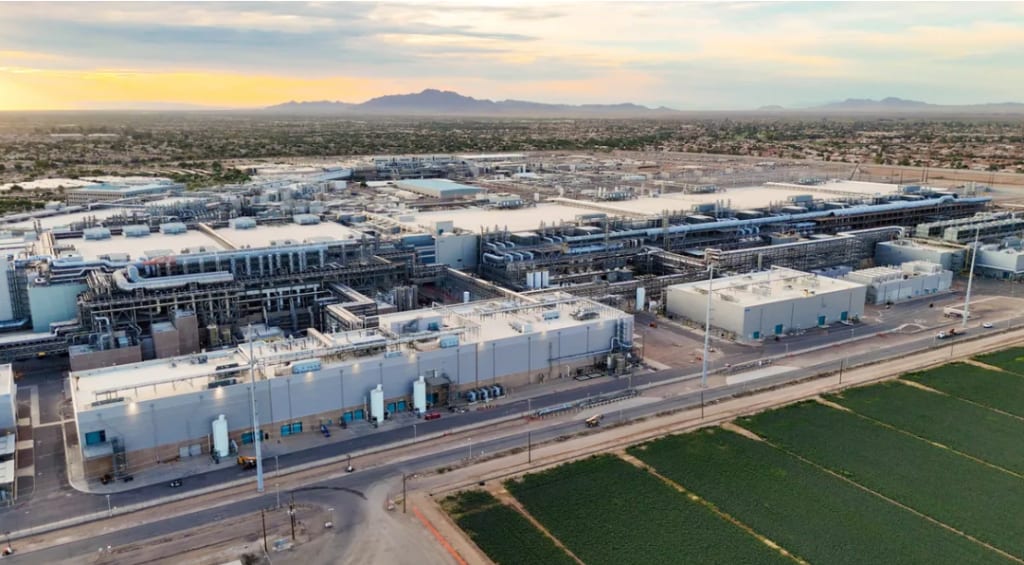
Introduction: A New Chapter in the Chip Industry
The global semiconductor industry is undergoing a major transformation. According to recent reports, technology giants Apple and Nvidia are considering Intel as a manufacturing partner for certain chips by 2028. This potential move could signal a strategic shift in how the world’s most influential tech companies design, produce, and secure their processors.
For decades, Apple and Nvidia have relied heavily on overseas manufacturers, especially Taiwan Semiconductor Manufacturing Company (TSMC). However, rising geopolitical tensions, trade tariffs, and supply chain disruptions are forcing companies to rethink their dependence on a single region. By partnering with Intel, Apple and Nvidia may be preparing for a future where chip production is more diversified, secure, and politically resilient.
Why Apple and Nvidia Are Exploring Intel
Tariffs and Trade Pressures
One of the biggest reasons behind this potential shift is tariffs and trade policies. Governments around the world are imposing tariffs and restrictions on technology imports, especially in sensitive sectors like semiconductors.
By producing some chips in the United States through Intel, Apple and Nvidia could reduce their exposure to tariffs and trade conflicts. Domestic manufacturing also aligns with government incentives aimed at boosting local semiconductor production.
Geopolitical Risks
Taiwan is currently the center of global chip manufacturing, but tensions in the region have raised concerns about potential disruptions. A conflict or blockade could severely impact global technology supply chains.
Apple and Nvidia are likely considering Intel as a backup manufacturing option to ensure continuity in case of geopolitical crises. Diversifying production reduces the risk of relying on a single geographic region.
Supply Chain Resilience
The COVID-19 pandemic exposed vulnerabilities in global supply chains, causing massive chip shortages. These shortages affected smartphones, laptops, cars, and even home appliances.
By working with multiple manufacturers, companies can reduce the risk of shortages and delays. Intel’s growing foundry business offers an alternative production pipeline that could strengthen supply chain stability.
What Chips Could Be Outsourced to Intel
Reports suggest that non-core or lower-risk chips may be produced by Intel, while flagship processors will likely remain with TSMC. These non-core products could include:
Entry-level Apple processors for budget devices
Nvidia auxiliary chips, such as I/O controllers or packaging components
Specialized chips for emerging technologies like AI and data centers
This strategy allows Apple and Nvidia to test Intel’s manufacturing capabilities without risking their most advanced and high-performance chips. It is a cautious but strategic approach to diversification.
Intel’s Ambition to Return to the Top
For Intel, securing Apple and Nvidia as customers would be a massive milestone. Once the world’s dominant chipmaker, Intel lost its leadership position due to delays in manufacturing technology and increased competition from TSMC and Samsung.
In recent years, Intel has invested billions of dollars in building new factories and developing advanced manufacturing processes like 18A and future 14A nodes. Winning contracts from Apple and Nvidia would validate Intel’s strategy and mark a major comeback in the foundry business.
Intel also aims to expand advanced packaging technologies, which could make it a key partner in hybrid manufacturing models where different parts of a chip are produced by different companies.
How This Could Change the Semiconductor Industry
Breaking TSMC’s Dominance
TSMC currently dominates global chip manufacturing, producing processors for Apple, Nvidia, AMD, and many other companies. If Apple and Nvidia begin shifting even a portion of their production to Intel, it could reduce TSMC’s dominance and create a more competitive global manufacturing ecosystem.
Strengthening U.S. Semiconductor Manufacturing
This move aligns with efforts by the United States to strengthen domestic semiconductor production. Governments view chips as critical infrastructure for national security, AI development, and economic growth.
Increased domestic production could lead to more jobs, innovation, and technological independence for the U.S. tech industry.
Potential Impact on Prices
Manufacturing chips in the U.S. is often more expensive than overseas production. In the short term, this could increase costs for tech companies and possibly consumers. However, reduced tariffs and more stable supply chains could offset these costs in the long run.
Geopolitics and the Future of Chips
Semiconductors are no longer just commercial products—they are strategic assets. Countries are competing to control chip manufacturing because chips power everything from smartphones to military systems and artificial intelligence.
By diversifying manufacturing partners, Apple and Nvidia are hedging against geopolitical risks and aligning with government policies that encourage domestic production. This strategy reflects a broader trend in the tech industry toward national security-focused manufacturing decisions.
Challenges Intel Must Overcome
Despite the opportunity, Intel faces several challenges before it can become a major foundry partner for Apple and Nvidia.
Manufacturing Performance
Intel must prove that its advanced manufacturing processes can compete with TSMC’s technology. High yields, efficiency, and reliability are essential for large-scale production.
Industry Trust
After years of delays and setbacks, Intel needs to rebuild trust with major customers. Apple and Nvidia will carefully evaluate Intel’s performance before committing significant production volumes.
Scaling Production
Producing chips for global tech giants requires massive capacity. Intel must ensure its factories can handle the demand while maintaining quality and efficiency.
The Rise of Dual-Foundry Strategies
The reported plans highlight a growing trend known as dual-foundry strategies. Instead of relying on a single manufacturer, companies spread production across multiple partners to reduce risk.
This approach increases resilience and flexibility, allowing companies to respond quickly to geopolitical, economic, or technical challenges. In the future, dual-foundry strategies may become standard practice in the semiconductor industry.
What This Means for Consumers and Investors
For Consumers
Consumers could benefit from fewer chip shortages, more reliable device availability, and potentially improved security. However, manufacturing transitions could temporarily affect product timelines and prices.
For Investors
The news has already generated excitement in financial markets, with Intel’s stock reacting positively to reports of potential partnerships. Investors see Intel’s foundry business as a key growth opportunity, while Apple and Nvidia’s diversification strategy could reduce long-term risk.
Conclusion: A Strategic Turning Point
The possibility that Apple and Nvidia may use Intel for chip production by 2028 marks a significant turning point for the global semiconductor industry. Tariffs, geopolitics, and supply chain concerns are reshaping how tech companies think about manufacturing.
By outsourcing non-core products to Intel while keeping flagship chips with TSMC, Apple and Nvidia are balancing innovation with resilience. For Intel, this could be the breakthrough moment that restores its leadership in chip manufacturing.
As the world becomes more dependent on semiconductors, strategic manufacturing decisions will influence not only technology but also global politics and economic power. The chip industry is entering a new era—one defined by diversification, security, and geopolitical strategy.



Comments
There are no comments for this story
Be the first to respond and start the conversation.