
Around 70,000 Gazans Died in Israel-Hamas War, but None from Starvation, IDF Reports
Israeli military confirms high civilian toll in Gaza while disputing claims of famine amid humanitarian crisis

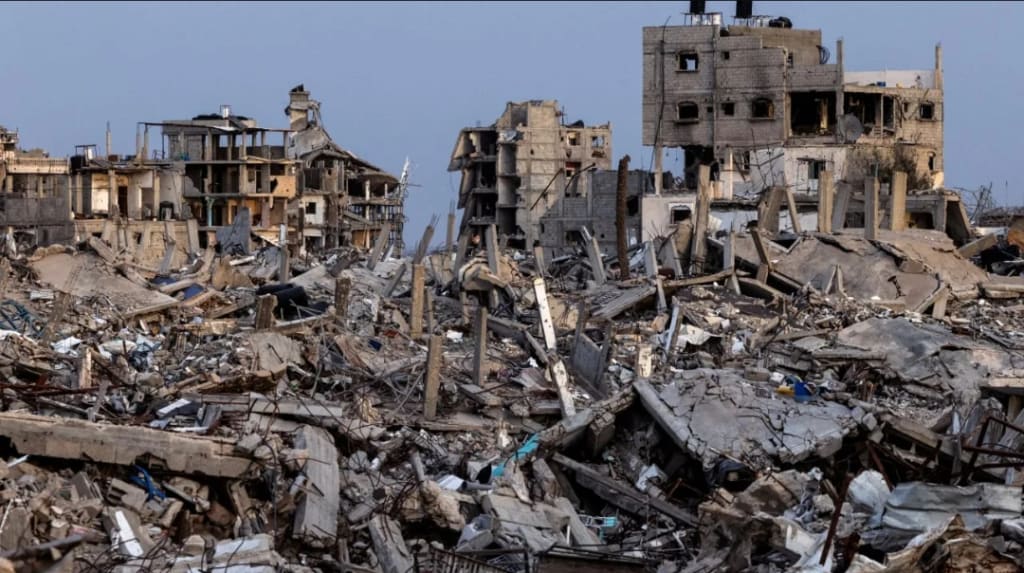
The Israel Defense Forces (IDF) reported that approximately 70,000 Palestinians in Gaza died during the recent Israel-Hamas conflict, a devastating toll that has drawn international attention and condemnation. However, according to the IDF, none of the deaths were attributed to starvation, a claim aimed at countering narratives about intentional deprivation amid the humanitarian crisis.
The announcement sheds light on the scale of the conflict, while highlighting the ongoing debate over humanitarian conditions in Gaza and the responsibilities of both sides during the war.
A Deadly Conflict
The war between Israel and Hamas erupted following a surge in hostilities along the Gaza Strip, with both sides exchanging airstrikes, rocket fire, and ground operations. Civilians in Gaza bore the brunt of the violence, with thousands of homes destroyed, essential infrastructure damaged, and tens of thousands displaced.
The 70,000 fatalities reported by the IDF include men, women, and children, marking one of the deadliest conflicts in the region in decades. Hospitals, schools, and residential areas were heavily affected, creating a humanitarian emergency that drew global concern.
Humanitarian Claims and Starvation Debate
Despite the scale of the tragedy, the IDF emphasized that none of the casualties were due to starvation, countering reports from some humanitarian organizations that suggested civilians faced food shortages as a result of the blockade and siege.
Israel has maintained that humanitarian corridors and aid deliveries continued throughout the conflict, even amid hostilities, allowing residents to access basic food and medical supplies. The IDF stressed that while civilian casualties occurred due to military operations, the population was not intentionally deprived of essential nutrition.
This distinction has sparked debate among human rights observers, who argue that disrupted supply chains, infrastructure damage, and restricted movement still contributed to severe deprivation, even if not classified strictly as starvation.
Infrastructure and Health Impact
The war left Gaza’s infrastructure in ruins, including water systems, electricity networks, and hospitals. Thousands of Gazans were forced into temporary shelters, where conditions were challenging, and access to medicine, clean water, and sanitation was limited.
Health organizations have warned that such conditions exacerbate the impact of war, even if direct starvation does not occur. Malnutrition, stress-related illnesses, and limited medical care continue to pose serious risks, particularly for children and the elderly.
IDF’s Position
The IDF’s report underscores Israel’s defensive narrative, emphasizing that military operations were targeted at Hamas infrastructure and militants. The report reiterates that efforts were made to minimize civilian casualties and to maintain humanitarian aid delivery during the conflict.
According to Israeli officials, the high number of deaths, while tragic, resulted from combat operations and crossfire, not from intentional policies of starvation or neglect.
International Reactions
Global reactions to the conflict and the IDF report have been mixed.
United Nations agencies expressed shock at the high death toll, calling for immediate attention to the humanitarian needs of survivors and reconstruction efforts.
Human rights organizations highlighted the difficulty in verifying the IDF’s claim about starvation, noting that disruptions to food distribution, water access, and medical services can still constitute severe humanitarian crises.
Diplomatic voices urged both Israel and Hamas to ensure safe passage for aid and to protect civilians in any further escalations.
The debate underscores the complexity of war reporting and humanitarian verification in active conflict zones.
Lessons and Ongoing Challenges
The Israel-Hamas war has highlighted the devastating impact of modern urban warfare, where densely populated areas make civilian casualties inevitable. Gaza’s fragile infrastructure and limited resources exacerbate the consequences, creating long-term challenges even after hostilities subside.
Rebuilding Gaza will require coordinated international aid, security guarantees, and careful management of humanitarian resources. Preventing future crises also depends on addressing the root causes of the conflict, including political disputes, security concerns, and governance challenges in the region.
The Human Toll Beyond Statistics
While numbers provide a measure of the war’s scale, they cannot capture the human suffering endured by survivors. Families lost loved ones, communities were displaced, and trauma continues to affect children and adults alike.
Reports of destroyed schools, hospitals, and neighborhoods reflect the long-term psychological and social impact on Gazans, highlighting that recovery is about more than restoring buildings—it involves healing a fractured community.
Conclusion: A Tragic Chapter Amid Ongoing Debate
The IDF’s statement that around 70,000 Gazans died but none from starvation frames one aspect of the conflict, yet the broader humanitarian reality remains grim. The high death toll, infrastructure collapse, and displacement underscore the urgent need for reconstruction, medical aid, and long-term stability in Gaza.
As international organizations continue to assess the situation, the conflict serves as a stark reminder of the human cost of war and the complexity of ensuring civilian safety amid military operations. While debates over starvation and responsibility continue, the focus remains on supporting survivors and preventing further loss of life in the volatile region.
Do you want me to do that
About the Creator
Asad Ali
I'm Asad Ali, a passionate blogger with 3 years of experience creating engaging and informative content across various niches. I specialize in crafting SEO-friendly articles that drive traffic and deliver value to readers.
Fatal Shooting of Minneapolis Man by Federal Agents Raises Questions
In a chilling turn of events, a man was shot dead by federal agents in Minneapolis on the morning of January 23, 2026. The incident has sparked both public outcry and a flurry of questions regarding the circumstances that led to the fatal confrontation. While details remain scarce, the shooting has put the spotlight on law enforcement practices and their use of force, drawing scrutiny from local communities, legal experts, and human rights organizations alike.
By Ayesha Lashari5 days ago in The Swamp
US, Ukraine and Russia Delegations Head to Abu Dhabi for First Trilateral Talks
In a move that could shape the trajectory of the ongoing conflict in Eastern Europe, delegations from the United States, Ukraine, and Russia are set to meet in Abu Dhabi for their first trilateral discussions. The historic talks, scheduled to take place at the UAE capital, aim to open channels for dialogue after months of heightened tensions and military escalation.
By Aarif Lashari7 days ago in The Swamp
🅼🅸🅳🅽🅸🅶🅷🆃 🆂🅽🅰🅲🅺🆂
"It's 10 in Tuscon! We all know what that means... It's Time for Midnight Snacks with your man, Gerald Gee! Ready to spend the night together? Me too! I'm full of snacks and can't wait to regurgitate them all back into your hungry ears. Crack a brew! Pop some corn! Anything to get ready for one hell of a show where the talk maybe cheap but the words cut deep...
By Lamar Wiggins7 days ago in Fiction



Comments
There are no comments for this story
Be the first to respond and start the conversation.