
Russia Is Trying to Bomb and Freeze Ukrainians Into Submission, EU Warns
EU leaders warn winter attacks on energy systems are hitting civilians hardest


Attacks on energy infrastructure raise humanitarian and security concerns across Europe
The European Union’s foreign policy chief has warned that Russia is attempting to break Ukraine’s resistance by targeting both cities and essential energy systems, leaving civilians exposed to cold, darkness, and fear. The strategy, described as an effort to “bomb and freeze” Ukrainians into submission, has renewed concerns about the humanitarian impact of the war as winter deepens.
As missile and drone strikes continue to hit power plants, heating systems, and water facilities, millions of Ukrainians face daily challenges that go far beyond the battlefield. European leaders say the attacks highlight the urgent need for continued international support for Ukraine.
A Strategy Beyond the Front Lines
Military analysts say the focus on energy infrastructure marks a shift toward psychological and civilian pressure rather than purely military targets. By disrupting electricity and heating, Russia appears to be aiming to weaken morale and strain Ukraine’s ability to function as winter temperatures drop.
Homes without heat, hospitals relying on generators, and communities facing rolling blackouts create conditions that affect every aspect of daily life. EU officials argue that such tactics are designed to exhaust the population and force political concessions.
Winter as a Weapon
Cold weather has become a major factor in the conflict. In many parts of Ukraine, winter temperatures fall well below freezing. Without reliable electricity and heating, families struggle to stay warm, cook food, and access clean water.
Humanitarian organizations report increased risks of:
Hypothermia among vulnerable groups
Disrupted medical services
Food supply challenges
Displacement as families seek safer areas
European leaders say using winter conditions as leverage raises serious ethical and legal questions under international humanitarian law.
Impact on Civilians
The civilian toll continues to grow. While air defense systems have intercepted many incoming attacks, enough strikes still get through to cause widespread disruption.
Parents worry about keeping children warm. Elderly residents face isolation and health risks. Schools are forced to close or operate remotely. For many Ukrainians, daily survival has become as much about enduring the cold as avoiding explosions.
The EU’s foreign policy chief emphasized that targeting civilian infrastructure does not weaken military forces alone—it directly harms ordinary people.
Europe’s Response
In response to the ongoing attacks, the European Union has:
Increased humanitarian aid deliveries
Supplied generators and emergency heating equipment
Expanded energy infrastructure support
Continued military and financial assistance to Ukraine
EU officials stress that helping Ukraine restore power quickly is critical not only for comfort but for national resilience. Keeping lights on and homes heated sends a message that the country cannot be easily broken.
Broader Security Concerns
European leaders warn that the conflict’s effects extend beyond Ukraine’s borders. Energy instability, refugee flows, and regional security risks affect the entire continent.
There is also concern that allowing attacks on civilian infrastructure to succeed could set a dangerous precedent. EU officials argue that failure to respond firmly may encourage similar tactics in future conflicts elsewhere.
International Law and Accountability
Human rights groups continue to document damage to civilian infrastructure, gathering evidence for potential future investigations. Attacks that deliberately target civilian populations or essential services may violate international law.
The EU has repeatedly called for accountability, stating that those responsible for targeting civilians must face consequences. While legal processes take time, documentation remains a priority.
Ukraine’s Resilience
Despite the pressure, Ukrainian officials highlight the country’s resilience. Engineers work around the clock to repair power lines. Communities share generators. Volunteers deliver supplies to the most vulnerable.
This resilience, European leaders say, is one reason the strategy of freezing civilians into submission has not achieved its intended effect.
The Road Ahead
As winter continues, the situation remains fragile. The EU warns that continued attacks on energy infrastructure could worsen humanitarian conditions if support slows or repairs fall behind.
European leaders insist that sustained assistance is essential. They argue that helping Ukraine endure winter conditions is not just about survival, but about defending the principle that civilians should never be used as tools of war.
Conclusion
The EU’s warning that Russia is trying to bomb and freeze Ukrainians into submission underscores the changing nature of modern conflict. By targeting energy systems and civilian infrastructure, the war has expanded far beyond the front lines.
As winter tightens its grip, the humanitarian stakes continue to rise. European leaders maintain that supporting Ukraine through this period is critical—not only for the country’s survival, but for upholding international norms that protect civilians during war.
About the Creator
Fiaz Ahmed
I am Fiaz Ahmed. I am a passionate writer. I love covering trending topics and breaking news. With a sharp eye for what’s happening around the world, and crafts timely and engaging stories that keep readers informed and updated.
Keep reading
More stories from Fiaz Ahmed and writers in The Swamp and other communities.
Navantia UK Marks One Year Since Harland and Wolff Buy
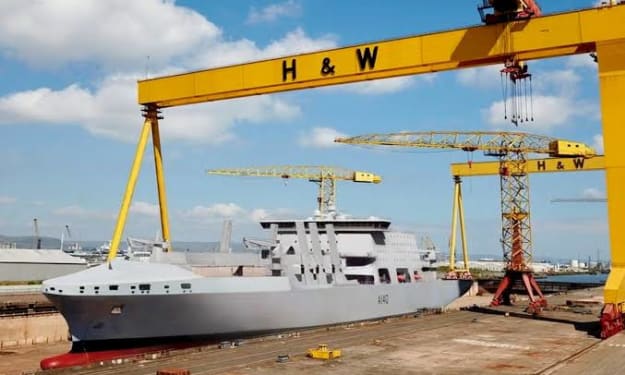
A year of transformation, challenges, and renewed ambition for British shipbuilding One year after Navantia UK completed its acquisition of Harland and Wolff, the historic shipbuilding company is showing early signs of recovery, stability, and renewed purpose. The deal, widely seen as a lifeline for one of the UK’s most iconic industrial names, has reshaped the future of British shipbuilding while strengthening ties between the UK and Spain’s naval industry. Harland and Wolff, best known for building the Titanic, had faced years of financial uncertainty before the takeover. Navantia’s purchase marked a turning point, bringing new investment, technical expertise, and access to international defense contracts. Why the Acquisition Mattered Before the acquisition, Harland and Wolff struggled with cash flow problems, delayed contracts, and uncertainty over its long-term survival. The company’s four UK shipyards—Belfast, Appledore, Methil, and Arnish—were at risk, threatening thousands of skilled jobs. Navantia UK, backed by the Spanish state-owned defense giant Navantia, stepped in with a clear plan: Stabilize operations Protect jobs Modernize facilities Integrate the yards into global naval supply chains For the UK government, the deal aligned with national goals to strengthen domestic shipbuilding capacity and support long-term defense programs. Progress Over the Past Year In the year since the acquisition, Navantia UK has focused on rebuilding confidence and restoring operational stability. Key developments include: Financial restructuring to stabilize cash flow Investment in infrastructure, including upgraded equipment and facilities Retention of skilled workers, preventing major job losses New contracts and partnerships, particularly in defense and offshore energy While progress has not been without challenges, industry observers note that the company is now on firmer footing than it was a year ago. Role in UK Defense Programs One of the most important aspects of the acquisition has been Harland and Wolff’s role in major UK defense projects. The shipyards are involved in: Fleet Solid Support (FSS) ships for the Royal Navy Offshore patrol and support vessels Maintenance and fabrication work linked to naval modernization Navantia’s experience in building advanced warships for international clients has strengthened Harland and Wolff’s technical capabilities. This collaboration has improved efficiency and increased confidence among government and defense stakeholders. Economic and Regional Impact The acquisition has had a noticeable impact on regional economies, particularly in Northern Ireland and Scotland. Shipbuilding is not only a source of employment but also a driver of: Apprenticeships and training programs Local supply chains Engineering and manufacturing skills Navantia UK has emphasized workforce development, working with local colleges and training centers to build the next generation of shipbuilders. This focus is seen as essential to ensuring the long-term sustainability of the industry. Challenges Still Ahead Despite positive momentum, challenges remain. These include: Rising material and energy costs Competition from international shipbuilders Pressure to deliver complex projects on time and within budget Long-term uncertainty in global defense spending Industry experts stress that continued government support and careful project management will be critical to maintaining progress. Strengthening UK–Spain Industrial Ties Beyond shipbuilding, the acquisition has strengthened industrial cooperation between the UK and Spain. Navantia’s presence in the UK creates opportunities for: Technology sharing Joint research and development Export collaboration This partnership reflects a broader trend in defense industries, where cross-border cooperation is increasingly necessary to manage costs and deliver advanced capabilities. Industry Reaction The first anniversary of the acquisition has been met with cautious optimism. Trade unions, industry leaders, and local officials have welcomed the renewed stability but continue to call for: Long-term investment guarantees Clear pipelines of future work Continued skills development Many see the acquisition as proof that historic industrial assets can be revived with the right combination of investment and strategic vision. Looking Ahead As Navantia UK enters its second year of ownership, the focus is shifting from stabilization to growth. Priorities include: Winning new defense and commercial contracts Expanding offshore renewable energy work Improving productivity across all four shipyards Strengthening the UK’s position in global shipbuilding markets The success of these goals will determine whether the acquisition becomes a long-term success story or simply a temporary rescue. Conclusion One year after Navantia UK acquired Harland and Wolff, the shipbuilder is in a stronger position than it was before the deal. While challenges remain, the acquisition has delivered stability, protected jobs, and reopened pathways for growth. For the UK shipbuilding industry, the partnership represents a renewed commitment to industrial capability, skilled labor, and international collaboration. As Navantia UK builds on its first year, the coming months will be critical in shaping the future of one of Britain’s most historic industrial names.
By Fiaz Ahmed about 15 hours ago in The Swamp
Could Trump’s Bid to Become Peacemaker-in-Chief Sideline a Struggling United Nations?
For decades, the United Nations has positioned itself as the world’s ultimate diplomatic forum — a place where wars are debated, ceasefires negotiated, and international norms defended. Yet today, the institution appears increasingly sidelined, slow, and divided. Against this backdrop, Donald Trump’s renewed ambition to present himself as a global peacemaker raises an uncomfortable question: could one leader’s deal-making diplomacy further marginalize an already struggling UN?
By Ayesha Lashari7 days ago in The Swamp
Demand for Online Jewellery Boosts December Retail Sales
December is traditionally the most critical month for retailers, often deciding whether a year ends in profit or disappointment. With festive gifting, holiday bonuses, and seasonal promotions in full swing, consumer spending typically rises. However, this December arrived under the shadow of inflation, high living costs, and cautious consumer sentiment. Surprisingly, despite these challenges, retail sales received an unexpected boost — largely driven by strong demand for online jewellery.
By Muhammad Hassan7 days ago in The Swamp


Comments
There are no comments for this story
Be the first to respond and start the conversation.