
DHS Raids Are the Stuff of Rand Paul’s Nightmares. What Will He Do About It?
Republican Senator Rand Paul faces a crossroads amid increasing federal enforcement actions and debates over civil liberties

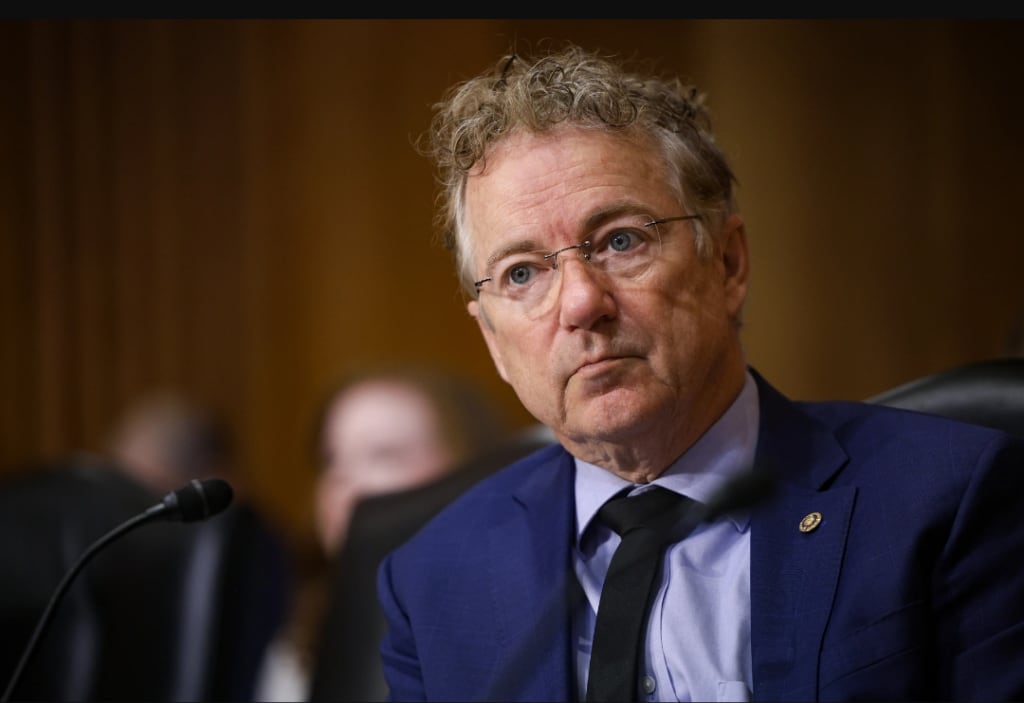
Recent Department of Homeland Security (DHS) raids have sparked widespread debate across the United States, raising concerns over government overreach, civil liberties, and the balance of federal power. For Senator Rand Paul (R-KY), these raids represent a scenario straight out of a constitutional nightmare—a situation that challenges his long-standing advocacy for limited government and personal freedoms. The question now looming is: what will he do about it?
The Raids That Sparked the Outcry
Over the past few months, DHS has conducted high-profile raids across multiple states, targeting individuals allegedly involved in immigration violations, cybercrime, and organized illegal activity. While law enforcement officials describe these actions as necessary for national security, critics argue they reflect unchecked executive power and a potential disregard for due process.
For libertarian-leaning politicians like Rand Paul, these raids highlight a broader concern about federal overreach. Paul has long warned that unchecked government authority can erode the constitutional rights of citizens, and recent DHS operations appear to confirm those fears for many in the public.
Why Rand Paul Is Particularly Concerned
Senator Paul’s political identity is built on civil liberties, limited government, and strict constitutional interpretation. Over his career, he has opposed expansive surveillance programs, criticized law enforcement overreach, and questioned federal agencies that act without clear legislative oversight.
The recent DHS raids trigger three primary concerns for him:
1. Due Process Violations: Paul has repeatedly warned that aggressive federal actions can bypass judicial safeguards, putting citizens at risk of arrest or property seizure without proper court review.
2. Expansion of Federal Power: The raids may set a precedent for broader authority by federal agencies, undermining states’ rights and the balance of powers outlined in the Constitution.
3. Political Implications: Aggressive federal interventions can be weaponized for partisan purposes, raising questions about equity and fairness in law enforcement.
For a senator whose brand relies on defending civil liberties, DHS raids are more than political noise—they are a test of principles and influence.
Potential Responses and Legislative Options
Rand Paul has several avenues to address what he sees as federal overreach:
Legislative Action: Paul could sponsor or support bills that limit DHS authority, impose stricter reporting requirements, or enforce judicial oversight on federal operations.
Congressional Oversight: As a member of the Senate, Paul can demand hearings, question DHS officials, and seek accountability for aggressive enforcement actions.
Public Advocacy: Paul has a history of using media appearances and public speeches to mobilize public opinion against policies he views as unconstitutional or overreaching.
Legal Challenges: Collaborating with organizations that litigate civil liberties cases could create legal checks on DHS operations and potentially curb overreach.
Each of these strategies comes with challenges, especially in a politically polarized environment where DHS actions are often framed as matters of national security.
Political and Public Reaction
Public reaction to DHS raids has been mixed.
Supporters of strong federal enforcement argue that these operations are necessary to maintain law and order, ensure national security, and enforce immigration laws effectively.
Critics warn that aggressive raids can erode trust in government, disproportionately affect minority communities, and violate constitutional rights.
For Rand Paul, aligning with the critics provides a platform to defend constitutional principles while appealing to libertarian-leaning constituents. However, it also risks political backlash from those who prioritize national security over regulatory constraints.
The Constitutional Angle
At the heart of the debate is the Constitutional principle of limited government. DHS, as part of the federal bureaucracy, exercises broad executive powers, often under circumstances of emergency or national security. Paul’s concern is that unchecked authority sets a dangerous precedent, potentially normalizing intrusive government behavior in the absence of strong oversight.
He has historically advocated for reducing federal surveillance, enhancing state autonomy, and protecting civil liberties, which makes the DHS raids a perfect storm of legal, ethical, and political issues.
What’s Next for Rand Paul?
The senator faces a critical decision: whether to escalate his response to DHS operations or remain cautious, focusing on long-term legislative reforms rather than immediate political theater. Observers suggest that his likely course of action may include:
1. Public Condemnation: Continuing to highlight abuses in media and congressional debates.
2. Policy Proposals: Introducing measures that rein in DHS authority and enhance transparency.
3. Coalition Building: Partnering with like-minded senators, House members, and advocacy groups to push for reform legislation.
How Paul navigates this issue will define his stance on government overreach and reinforce his image as a defender of civil liberties.
Conclusion: A Test of Principles
The DHS raids have thrust Rand Paul into a scenario he has warned about for years: a powerful federal agency acting with minimal oversight and potential disregard for constitutional safeguards. For a senator who built his career on championing liberty and limited government, these raids are not just political news—they are a direct challenge to the principles he holds dear.
What he does next—whether through legislation, oversight, or public advocacy—will signal how seriously he intends to confront federal overreach and whether he can influence the debate over the balance between national security and individual freedoms.
In the weeks ahead, all eyes will be on Paul to see whether his nightmare scenario translates into action or remains a rhetorical warning.
About the Creator
Asad Ali
I'm Asad Ali, a passionate blogger with 3 years of experience creating engaging and informative content across various niches. I specialize in crafting SEO-friendly articles that drive traffic and deliver value to readers.
The Forsyth House Fire
Since 1851, Forsyth House has stood on the corner of Union Street and Gordon Street in the heart of Glasgow. Its iconic, or was... because on Sunday 8th of March, 2026, a fire broke out in a small, seemingly un-named shop in the building and tore all that history down. As I write, the rubble is still unsettled and the street is still blocked off. Central Station is quiet on the upper level, and around 30 small businesses have quite literally gone up in smoke.
By S. A. Crawford3 days ago in The Swamp



Comments
There are no comments for this story
Be the first to respond and start the conversation.