Latest Stories
Most recently published stories on Vocal.
The photos that have kept former Prince Andrew in the public eye. AI-Generated.
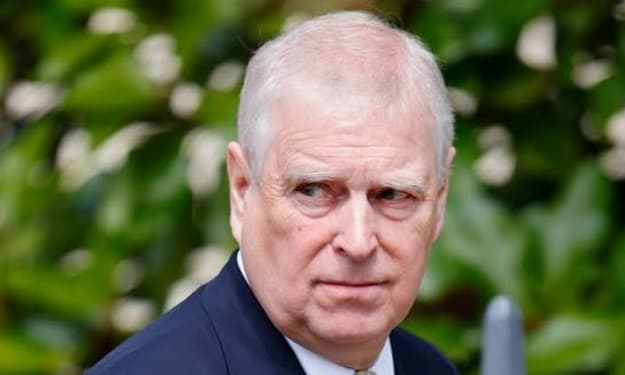
For more than a decade, a small number of photographs have played an outsized role in shaping public perceptions of Prince Andrew, the former senior royal whose reputation has been defined less by official duties and more by images that refuse to fade from public memory. These photographs, repeatedly reproduced in newspapers, documentaries, and court filings, have become enduring symbols of controversy surrounding the Duke of York and his place within the British monarchy. The most widely circulated image shows Prince Andrew smiling with his arm around a young woman later identified as Virginia Giuffre, inside a London townhouse belonging to the late financier Jeffrey Epstein’s associate. The photograph, taken in 2001, has been central to allegations that later led to a civil lawsuit in the United States. Though Prince Andrew has consistently denied wrongdoing, the image has come to represent the broader questions surrounding his judgment and associations. An Image That Defined a Crisis When the photograph resurfaced during renewed scrutiny of Epstein’s network, it quickly became a focal point of global media attention. Legal analysts noted that while a single image cannot determine guilt or innocence, it carried powerful symbolic weight. The picture appeared repeatedly in court documents and news coverage, reinforcing public narratives that placed Prince Andrew close to individuals accused of serious crimes. The Duke’s 2019 televised interview, intended to address the controversy, only intensified attention on the photograph. Viewers watched as he attempted to explain the circumstances under which the image was taken, offering accounts that were widely criticized for lacking clarity and empathy. Rather than dispelling doubts, the interview amplified the photograph’s impact and kept it firmly in the public consciousness. The Role of Visual Evidence In an era of digital media, photographs have a unique ability to shape opinion more powerfully than statements or legal arguments. For Prince Andrew, these images became shorthand for controversy, repeated across social platforms and news outlets whenever his name appeared. Another set of images showing the Duke attending social gatherings with Epstein further fueled criticism. Though such photographs did not prove any criminal behavior, they raised uncomfortable questions about proximity to individuals later exposed as serial abusers. Critics argued that the repeated publication of these photos demonstrated a failure of judgment unbefitting a senior royal. Supporters, however, maintain that the images have been stripped of context and used to construct a narrative that ignores the presumption of innocence. They point out that social photographs are common in elite circles and that no criminal charges were ever brought against Prince Andrew. Impact on the Monarchy The persistence of these images has had consequences not only for Prince Andrew but also for the wider British royal family. Palace officials moved swiftly in recent years to distance the institution from the controversy. The Duke was stripped of his military titles and royal patronages, and he withdrew from public duties. Royal historians say the power of the photographs lies in their simplicity. “Images are easier to remember than legal nuance,” one analyst observed. “For many members of the public, those photos became the entire story.” The monarchy’s efforts to project stability and continuity were complicated by the continued circulation of these visuals. Each reappearance reignited debate over accountability, privilege, and the limits of royal protection. A Legal Resolution, but Not a Visual One The civil lawsuit brought by Giuffre was settled in 2022 without any admission of liability by Prince Andrew. While the legal case ended, the images did not disappear. They remain embedded in documentaries, archives, and online discussions, ensuring that the controversy continues to define how he is remembered. Media experts say this reflects a broader truth about modern scandal: resolution in court does not always translate into resolution in the public imagination. Once an image becomes iconic, it often outlives the facts that surround it. Looking Ahead Today, Prince Andrew lives largely outside the public spotlight, making rare appearances and avoiding formal royal duties. Yet the photographs that once dominated headlines continue to resurface whenever discussions of royal accountability arise. They stand as a reminder of how visual moments can eclipse decades of service and reshape public identity. For Prince Andrew, these images have become inseparable from his legacy — not as a royal figure of influence, but as a symbol of how association and appearance can transform a life of privilege into one defined by controversy.
By Fiaz Ahmed 3 days ago in The Swamp
7 Must-Read Books for a More Positive and Grateful Life. AI-Generated.
In a world where stress, distractions, and negativity seem ever-present, cultivating positivity and gratitude isn’t just a feel-good exercise—it’s essential for mental, emotional, and even physical well-being. Studies have shown that practicing gratitude can boost happiness by up to 25%, improve sleep quality, and enhance relationships. But how do we consistently embrace this mindset? One powerful tool is reading. Books that inspire positivity and gratitude not only shift our perspectives but provide actionable strategies for integrating these habits into daily life.
By Diana Meresc3 days ago in BookClub
What Empathy Taught Me About Judgement, Synergy, and Human Differences.
With time; life teaches us lessons that no classroom ever could. One of the most powerful lessons I have ever learned is the value of empathy - how deeply it can transform the way we see others, ourselves, and the world around us.
By CIM3 days ago in Confessions
Government Considers Removing Prince Andrew from Royal Line of Succession. AI-Generated.
The UK government is reportedly exploring the possibility of removing Prince Andrew from the line of succession to the British throne. The move comes amid sustained scrutiny over his legal issues and public controversies, raising questions about the monarchy’s public image, accountability, and the potential implications for royal protocol. Background Prince Andrew, the Duke of York, has been embroiled in multiple controversies that have undermined his public standing. While he stepped back from official royal duties in recent years, his position in the line of succession has remained unchanged. The government review indicates that officials are examining whether legislative or procedural measures could formally alter his status in the royal hierarchy. Historically, removing a royal from the succession is rare and legally complex. The Succession to the Crown Act 2013 sets out rules governing succession, including conditions related to marriage, religion, and other statutory requirements. While no recent precedent exists for removal due to conduct, historical examples show that heirs have been bypassed or excluded for political, religious, or personal reasons. Government Deliberations Sources within Whitehall suggest that officials are considering multiple pathways, including voluntary renunciation, formal legislative amendments, or a hybrid approach combining procedural and symbolic measures. Legal advisors have reportedly been engaged to assess the feasibility, risks, and constitutional ramifications of such an action. A senior government adviser told confidential sources: “The matter is highly sensitive. We are considering all legal avenues while being mindful of public perception, parliamentary requirements, and the broader stability of the monarchy.” Public Opinion and Political Pressure Public sentiment appears to favor some form of action. Surveys indicate that a majority of citizens believe royals implicated in serious legal or ethical controversies should not retain their place in the line of succession. Advocacy groups and media commentators have argued that failing to act could erode public trust in the monarchy and its relevance in modern Britain. Members of Parliament from multiple parties have reportedly raised questions regarding Prince Andrew’s status, emphasizing accountability, transparency, and ethical governance. Some lawmakers suggest that formal removal could demonstrate that the monarchy adheres to contemporary standards of responsibility. Legal and Constitutional Challenges Legal experts caution that removing a royal from succession is complicated. Any formal change would require parliamentary approval and possibly coordination with other Commonwealth realms that recognize the British monarch as head of state. Challenges include ensuring compliance with existing statutes, addressing succession rights of other family members, and avoiding potential legal disputes. Even if successfully implemented, such a move could set a precedent for scrutiny of other royals’ conduct, raising questions about how personal behavior intersects with hereditary rights. Potential Outcomes Officials are reportedly considering a range of outcomes, from voluntary abdication of succession rights by Prince Andrew to formal legislative action. Timing and communication of any decision are expected to be carefully managed to minimize disruption to the royal household and public confidence. Observers suggest that the decision could influence the monarchy’s public image significantly, either reinforcing standards of accountability or exposing institutional vulnerabilities. The government is likely to weigh both symbolic and practical effects before taking action. Looking Ahead As deliberations continue, attention is focused on legal feasibility, constitutional precedent, and public perception. For the monarchy, the outcome could redefine expectations of responsibility and conduct for members of the royal family, highlighting tensions between tradition, public accountability, and modern governance standards.
By Fiaz Ahmed 3 days ago in The Swamp
Iranian Army Receives New Batches of Russian Mi-28 Attack Helicopters as U.S. Attack Looms. AI-Generated.
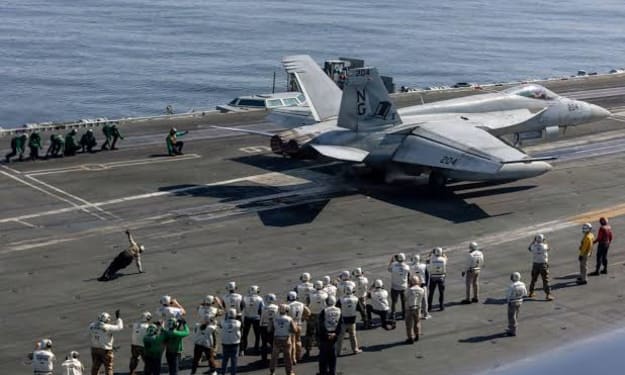
The Iran has reportedly received new batches of Mi‑28 Havoc attack helicopters from Russia, marking a significant upgrade to its rotary-wing combat fleet at a time of rising regional tensions and growing fears of a potential confrontation with the United States. According to defense sources and regional intelligence assessments, the deliveries form part of a broader military cooperation package between Tehran and Moscow, reflecting closer strategic ties forged amid international sanctions and shared geopolitical interests. Iranian state-linked outlets described the arrival of the helicopters as a “defensive reinforcement,” while analysts view the move as a clear signal of deterrence as speculation increases over possible U.S. or allied military action. Strengthening Iran’s Air Assault Capability The Mi-28 is a heavily armed and armored attack helicopter designed for close air support, anti-armor missions, and low-altitude combat operations. Equipped with a 30mm cannon, guided anti-tank missiles, and advanced night-vision targeting systems, the aircraft significantly enhances Iran’s ability to conduct precision strikes and defend key installations. Military experts say the acquisition modernizes Iran’s aging helicopter fleet, which has relied largely on older U.S.-era platforms and domestically modified variants. The Mi-28’s radar and infrared sensors allow operations in poor weather and at night, giving Iran greater tactical flexibility in both border defense and internal security roles. An Iranian defense official, speaking anonymously, said the helicopters would be deployed to “strategically sensitive regions” and used for training alongside existing air force and ground units. Context of Rising Tensions The reported deliveries come as tensions escalate over Iran’s missile program, regional proxy activity, and confrontations in the Persian Gulf and surrounding theaters. U.S. officials have recently warned of consequences should Iranian forces or allied militias threaten American personnel or interests in the region. While no formal announcement of imminent military action has been made, analysts note increased U.S. naval and air activity in the Middle East, fueling speculation of possible strikes on Iranian military infrastructure. The arrival of advanced Russian helicopters appears aimed at strengthening Iran’s deterrence posture and complicating any external military planning. “This is about signaling,” said a Middle East security analyst. “Iran wants to show it can respond quickly to ground incursions or precision raids with modern airpower support.” Russia-Iran Defense Cooperation The helicopter deliveries highlight the deepening military relationship between Moscow and Tehran. Since the outbreak of the Ukraine conflict and subsequent Western sanctions on Russia, both countries have expanded defense and technology exchanges. Russia has sought alternative markets and partners for its military hardware, while Iran has gained access to more modern platforms than it could previously obtain under international restrictions. In return, Iran has reportedly provided drones and logistical support to Russian operations elsewhere, strengthening a mutually beneficial partnership. Western officials have expressed concern that this cooperation undermines global arms control efforts and could destabilize an already volatile region. Strategic Implications From a military perspective, the Mi-28s could play a role in defending critical sites such as missile bases, nuclear facilities, and border regions vulnerable to infiltration. Their presence also increases Iran’s ability to conduct rapid-response operations against perceived threats. However, experts caution that helicopters alone would not prevent a large-scale U.S. strike but could raise the cost and complexity of any operation. The deployment may also encourage neighboring states to upgrade their own air defense and attack capabilities, potentially accelerating a regional arms race. Looking Ahead Neither Washington nor Tehran has confirmed direct confrontation plans, but the symbolism of the helicopter deliveries is clear. Iran appears intent on projecting readiness and resilience, while Russia continues to expand its influence through military exports and strategic alliances. As diplomatic channels remain strained, the arrival of advanced attack helicopters underscores how regional security dynamics are increasingly shaped by military signaling rather than negotiation. Observers warn that miscalculation on either side could rapidly escalate into open conflict, making the coming weeks critical for stability in the Middle East.
By Fiaz Ahmed 3 days ago in The Swamp
U.S. Envoy Suggests It Would Be ‘Fine’ if Israel Expands Across the Middle East. AI-Generated.
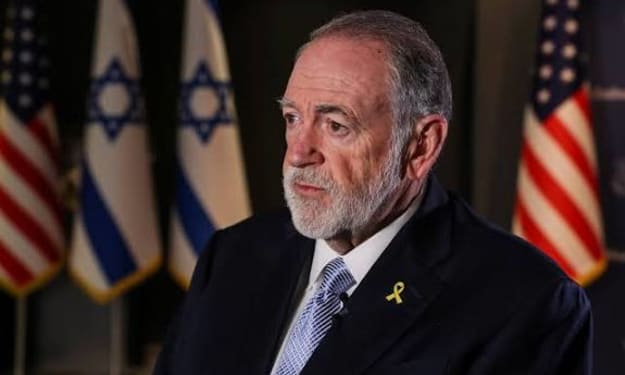
A senior U.S. government envoy has sparked controversy after suggesting that it would be “fine” if Israel were to expand its influence or territory across parts of the Middle East, comments that have drawn sharp reactions from diplomats, regional leaders, and human rights groups. The remarks were made during a closed-door policy discussion with foreign correspondents and later confirmed by officials familiar with the exchange. While the envoy did not explicitly endorse military conquest, critics say the statement implies tolerance for territorial expansion that would violate international norms and destabilize an already volatile region. Diplomatic Fallout Regional governments quickly expressed concern over what they viewed as a departure from longstanding U.S. policy supporting negotiated solutions and respect for national sovereignty. A spokesperson for a Gulf state foreign ministry said the comments were “deeply troubling” and could encourage escalation rather than restraint. Palestinian officials condemned the statement as evidence that Washington is abandoning its role as a neutral mediator. “Such language signals approval of occupation and undermines any prospects for peace,” one senior Palestinian representative said. European diplomats privately warned that the comments could strain transatlantic unity at a time when coordinated diplomacy is needed to address conflicts in Gaza, Lebanon, and Syria. U.S. Clarifications Following the backlash, the U.S. State Department attempted to soften the impact of the remarks, issuing a statement emphasizing that U.S. policy continues to support a rules-based international order and opposes unilateral changes to borders. “The United States remains committed to regional stability and to solutions achieved through diplomacy,” the statement said, adding that the envoy’s comments were taken out of context and did not reflect an official endorsement of territorial expansion. Nevertheless, analysts note that the initial remark reflects growing divisions within Washington over how to manage Israel’s security posture and the broader Middle East crisis. Strategic Context The comments come amid heightened tensions across the region, with Israeli military operations expanding beyond Gaza and periodic strikes reported in Lebanon and Syria. Israeli officials have framed these actions as necessary to counter threats from militant groups backed by Iran. Some security hawks in Washington argue that Israel’s military dominance could reshape the regional balance of power in favor of U.S. allies. Others warn that unchecked expansion would fuel radicalization and increase the likelihood of a wider regional war. “This kind of rhetoric feeds the perception that force, not diplomacy, is becoming the preferred tool of policy,” said a Middle East analyst based in Washington. “That’s a dangerous signal in a region already on edge.” Legal and Ethical Concerns International law experts stress that any territorial expansion through military means would violate the UN Charter and long-standing principles of sovereignty. Human rights organizations have warned that such policies would likely worsen humanitarian conditions and displace civilians across multiple countries. “These statements normalize the idea that borders can be changed by force,” said a spokesperson for a global rights group. “That sets a precedent with implications far beyond Israel and its neighbors.” Domestic Political Impact Within the United States, the envoy’s remarks have triggered debate in Congress. Several lawmakers called for clarification and reaffirmation of U.S. commitment to a two-state solution and regional diplomacy. Others defended the envoy, arguing that Israel must be allowed to secure its borders against hostile actors. The divide reflects broader tensions in U.S. politics, where support for Israel remains strong but concerns over civilian casualties and regional escalation are growing. Looking Ahead While the administration has moved quickly to distance itself from the statement, its impact is likely to linger. Diplomatic observers say trust in U.S. mediation efforts could be weakened if regional partners believe Washington is shifting toward acceptance of territorial expansion. As conflicts intensify across the Middle East, the episode underscores how a single comment can inflame sensitivities and complicate already fragile diplomatic efforts. Whether the controversy leads to policy recalibration or deeper rifts remains to be seen, but it highlights the precarious balance between military power and diplomacy in one of the world’s most unstable regions.
By Fiaz Ahmed 3 days ago in The Swamp
Iran Prepares Nuclear Counterproposal as U.S. Considers Limited Military Strikes. AI-Generated.
Tensions between the United States and Iran over Tehran’s nuclear programme have intensified this week as Iranian officials prepare a draft nuclear counterproposal while Washington weighs the possibility of limited military strikes if diplomacy fails to yield a deal, according to multiple government and diplomatic sources. Iran’s Foreign Minister Abbas Araghchi said on Friday that Tehran expects to have a draft proposal ready for delivery to U.S. negotiators within the next two to three days, following indirect talks earlier this week in Geneva. Araghchi suggested that although significant disagreements remain, there is room for negotiation on measures to ensure Iran’s nuclear activities remain peaceful. “We have not offered any suspension [of enrichment] and the U.S. side has not asked for zero enrichment,” Araghchi said in a televised interview, adding that discussions are focused on safeguards and confidence-building measures. He said the two sides had agreed on some guiding principles but that a full agreement was not yet within reach. U.S. Pressure and Military Options Meanwhile, Donald Trump has publicly warned that the United States is considering limited military action to compel Tehran to accept terms on its nuclear programme, setting an informal deadline of roughly 10–15 days for a diplomatic breakthrough. Trump said on Friday that he is “considering” a limited strike to pressure Iran, framing it as a necessary step if talks falter. U.S. military planners have reportedly advanced options that include targeted strikes against specific military and leadership infrastructure, as well as contingencies that could involve broader measures if conflict escalates. Some officials even discussed the possibility of actions aimed at regime figures, though no formal order has been issued. The massive U.S. military presence already deployed in the Middle East — including aircraft carriers, fighters, and support assets — underscores the seriousness of Washington’s intent to use force if deemed necessary. Observers say the deployment is meant to signal resolve and deter miscalculation, but also complicates diplomatic channels. Diplomatic Efforts and Objections Despite the military rhetoric, both sides have emphasised a preference for diplomacy. Araghchi reiterated that Iran seeks a peaceful resolution and that it believes a deal is possible “in a very short period of time,” provided that negotiations focus on practical confidence-building and safeguards rather than maximalist demands. He rejected calls for Iran to permanently cease enrichment, especially without corresponding sanction relief, arguing that peaceful enrichment is a right recognized for many nations. Foreign diplomats and international organisations, including the United Nations, have expressed concern over the deteriorating rhetoric, urging both sides to keep diplomacy alive and avoid actions that could spiral into wider conflict. Some envoys have warned that military action would risk destabilising not only Iran but the broader region, affecting energy markets and global security cooperation. Regional and Global Implications Analysts say Iran’s move to prepare a formal counterproposal reflects a strategic calculation to avoid direct confrontation and safeguard its nuclear programme while winning sanction relief and international recognition of its rights to peaceful nuclear activities. Tehran’s insistence on maintaining enrichment, coupled with its resistance to zero-enrichment demands, remains a central sticking point in negotiations. In Washington, the suggestion of limited strikes has prompted debate in Congress, with some lawmakers calling for stronger congressional oversight over any military action, citing constitutional authority and fears of entanglement in another Middle Eastern conflict. Others stress the need to uphold U.S. security and prevent Iran from approaching nuclear weapons capability. What Comes Next Iran’s counterproposal, expected within days, could open the door to renewed talks if both sides are willing to compromise. However, with President Trump’s timeline and the spectre of military action looming, the next two weeks are likely to be decisive. Observers warn that continued friction could either push the parties back to the negotiating table with a clearer framework or escalate into direct conflict with far-reaching consequences for the region and beyond.
By Fiaz Ahmed 3 days ago in The Swamp