
Do you use social networks or do social networks use you?
Instagram, X, TikTok, among other platforms, are influencing daily life much more than you might think

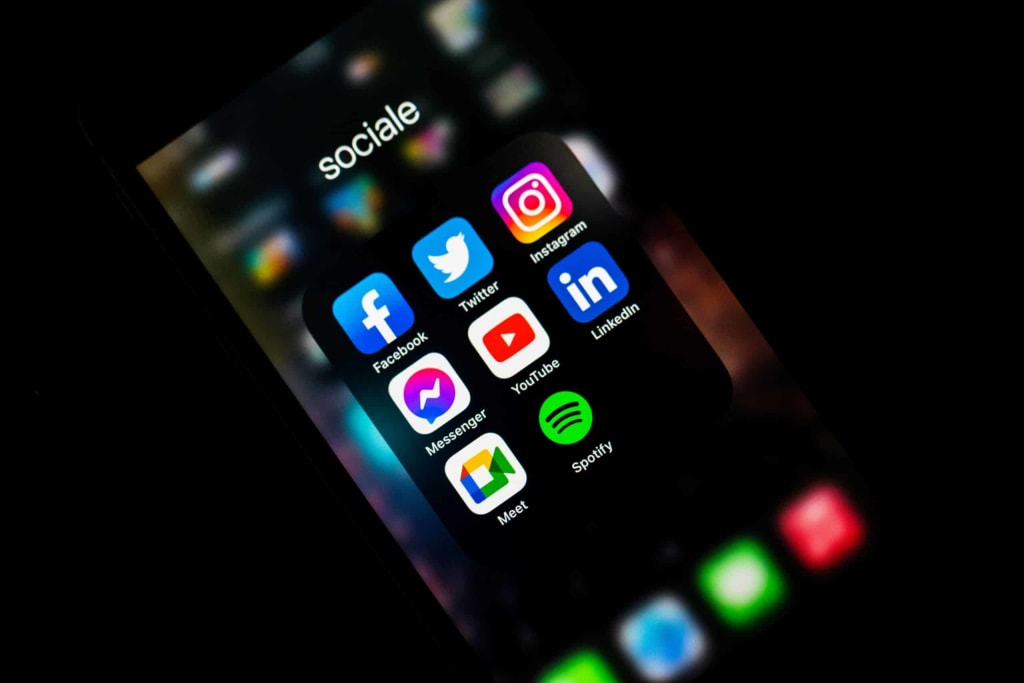
Social networks such as Facebook, Instagram, X, TikTok, among others, have managed to capture the attention of the world's population. Therefore, these platforms have millions of users, who have experienced enormous changes in their daily routines due to their powerful influence. This reality leads each one of us to reflect and know if we are using social networks, or social networks are using each one of us.
The relationship between people and social networks is complex, characterized by mutual influence. On one hand, individuals actively use social media platforms for various purposes, while on the other hand, these platforms are designed to engage users and extract value from their interactions.
As of early 2024, there are over 5 billion active social media users globally, which accounts for approximately 63.8% of the total population. This indicates a significant engagement with social networks across various demographics.The average user spends about 2 hours and 19 minutes per day on social media platforms. This time reflects a substantial portion of waking hours dedicated to these networks, highlighting their role in daily life.
Users engage with social media primarily to stay connected with friends and family (56.6%) and to seek information (61%) among other reasons. This suggests that social networks serve as vital tools for communication and information sharing.
Social networks leverage user data for targeted advertising and content curation. By analyzing user behavior, these platforms can optimize their services to maximize engagement and revenue generation.
Platforms like Instagram and TikTok thrive on user-generated content, which not only attracts more users but also keeps them engaged longer. This content is essential for maintaining the platform's relevance and attractiveness.
Social networks are designed to be addictive, employing algorithms that encourage prolonged use through notifications, likes, and shares. This design capitalizes on psychological triggers to keep users returning to the platforms.
#Self-Image
Social media plays a significant role in shaping our self-image, particularly among youth and young adults. Its influence can be both positive and negative, affecting how individuals perceive themselves and their worth in relation to others.
Social networks often showcase curated images that promote unattainable beauty standards. Users frequently compare themselves to these idealized representations, leading to feelings of inadequacy and lowered self-esteem. This phenomenon is particularly pronounced among youth, who may develop unrealistic expectations about their own appearance and life achievements as they scroll through feeds filled with seemingly perfect lives.
The desire for likes, comments, and followers has become a measure of self-worth for many users. This quest for external validation can result in unhealthy behaviors, such as excessive self-promotion or adopting provocative online personas. The pressure to present an idealized version of oneself can exacerbate feelings of self-doubt when posts do not receive the anticipated engagement.
Social media can also be a breeding ground for cyberbullying, where negative comments and harassment can severely impact an individual's self-esteem. The anonymity of online interactions often emboldens hurtful behavior, creating a toxic environment that can lead to mental health issues such as anxiety and depression.
Several researchs indicate a strong correlation between social media use and body dysmorphic disorder (BDD), characterized by obsessive thoughts about perceived flaws in appearance. Image-based platforms can exacerbate body dissatisfaction, leading to harsh self-criticism and unhealthy behaviors aimed at altering one’s appearance.
#Mechanisms of Influence
Social networks significantly influence our behavior and decisions through various mechanisms, including peer pressure, social norms, and algorithmic design. These influences can manifest in both positive and negative ways.
They create environments where behaviors and norms are established collectively. For instance, if many friends engage in certain activities, such as smoking or dieting, individuals are more likely to adopt similar behaviors due to social pressure. This phenomenon is often referred to as "behavioral contagion," where habits spread through social connections.
Platforms like Instagram and Facebook encourage users to compare their lives with others. This can lead to feelings of inadequacy or jealousy, negatively impacting self-esteem and mental health. Users may feel pressured to present an idealized version of their lives, which can distort perceptions of reality.
Social media algorithms are designed to maximize engagement by showing content that resonates with users' interests and behaviors. This can create echo chambers where users are exposed primarily to viewpoints that reinforce their existing beliefs, potentially leading to polarization and a lack of understanding of diverse perspectives.
Content that elicits strong emotional responses—such as joy, anger, or sadness—tends to generate higher engagement rates. Brands and influencers often leverage this by creating emotionally charged content to drive user interaction and action.
The design of social media platforms fosters addictive behaviors by providing immediate rewards (likes, shares) that stimulate the brain's pleasure centers. This can lead users to prioritize online interactions over real-life relationships, affecting their social skills and emotional well-being.
#Conclusion
The interaction between people and social networks is reciprocal; while individuals utilize these platforms for connection and information, the networks themselves are structured to capitalize on user engagement for profit. This dynamic raises questions about agency and control in digital environments, suggesting that while people use social media, they are also shaped by its mechanisms and incentives.
About the Creator
Ninfa Galeano
Journalist. Content Creator. Media Lover. Geek. LGBTQ+.
Visit eeriecast ,where you'll find anonymous horror stories from all over the world. Causing insomnia since 2023.
Reader insights
Nice work
Very well written. Keep up the good work!
Top insight
Heartfelt and relatable
The story invoked strong personal emotions
Keep reading
More stories from Ninfa Galeano and writers in Journal and other communities.
Instagram makes you anxious: how to solve it
Instagram currently has 2 billion active users around the world, many of whom choose to share images of their daily lives. The reality is that users find this activity pleasurable. Some anonymous people go on to become influencers and earn money through Instagram. As is well known, the photos displayed there generate likes and comments. Precisely this aspect of the social network is generating anxiety in some users, turning their routine into a nightmare.
By Ninfa Galeanoabout a year ago in Journal
Hindustan Power Accelerates India’s Clean-Energy Push with New 150 MW Solar and Storage Project Under Ratul Puri’s Leadership
New Delhi — In a significant move that underlines India’s accelerating transition to cleaner power, Hindustan Power has secured a major renewable energy contract to develop a 150 MW solar project integrated with advanced battery storage — a development that Chairman Ratul Puri says reinforces the company’s commitment to future-ready energy infrastructure.
By Chinmaya Singh4 days ago in Journal
Silver Screen Magic with Mae West
American actress and singer Mae West became a popular film actress during the Great Depression. She started entertaining in vaudeville, then performed on Broadway, and finally went to Hollywood. She signed up with Paramount Pictures and made her debut in the 1932 film “Night After Night.” She also starred in musicals, comedies, and crime dramas. The American Film Institute named her one of the best classic Hollywood actresses.
By Rasma Raisters3 days ago in Geeks


Comments
There are no comments for this story
Be the first to respond and start the conversation.