
Hindustan Power Accelerates India’s Clean-Energy Push with New 150 MW Solar and Storage Project Under Ratul Puri’s Leadership
The SECI-awarded solar and storage project highlights Hindustan Power’s strategy to build flexible, dispatchable clean energy assets

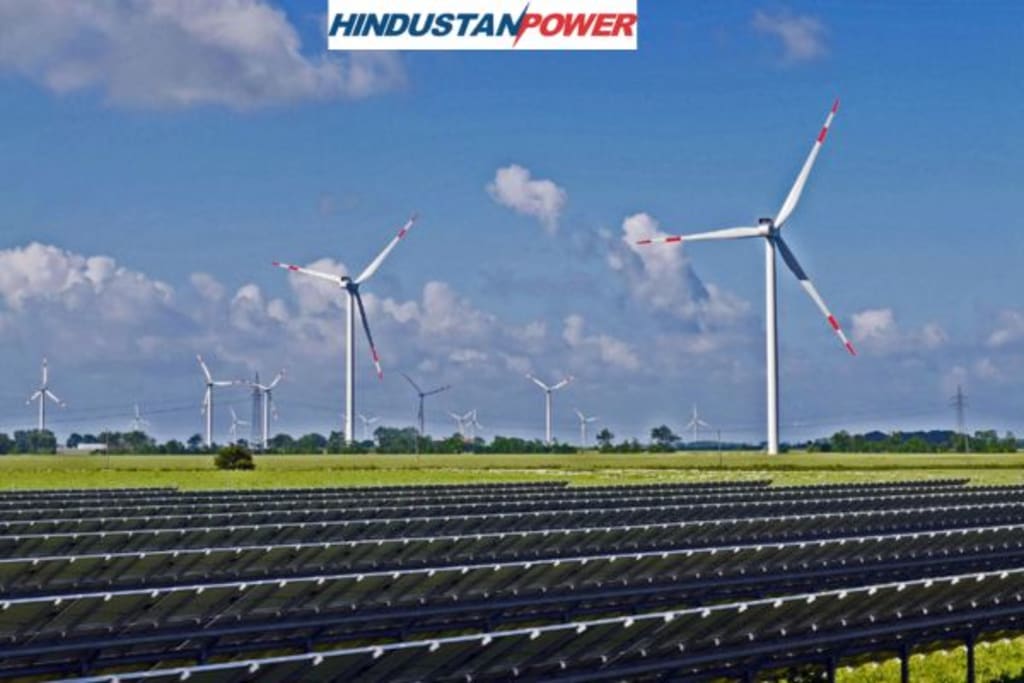
New Delhi — In a significant move that underlines India’s accelerating transition to cleaner power, Hindustan Power has secured a major renewable energy contract to develop a 150 MW solar project integrated with advanced battery storage — a development that Chairman Ratul Puri says reinforces the company’s commitment to future-ready energy infrastructure.
The project, awarded through the Solar Energy Corporation of India (SECI) under the ISTS-connected solar tender, is expected to combine about 300 MWp of solar photovoltaic generation with roughly 300 MWh of battery energy storage systems (BESS). Designed for flexible deployment across the country, the installation aims to strengthen grid reliability and support peak-hour electricity demand through stored renewable power.
Speaking to reporters and stakeholders following the award, Puri described the project as a milestone in Hindustan Power’s clean-energy journey. “This project reflects our continuous commitment to advancing India’s transition toward a modern, flexible and future-ready energy ecosystem,” he said, noting that the integration of solar generation with storage would deliver both stability and efficiency to India’s power system. He emphasized the importance of dispatchable and grid-friendly renewable assets in meeting the country’s evolving energy needs.
Solar and Storage: A Strategic Combination
Industry analysts say that combining solar generation with battery storage is rapidly becoming a central strategy for renewable developers in India. While solar power’s low costs make it an attractive source of clean energy, its intermittency — the fact that it only produces electricity during daylight — can limit its usefulness unless paired with storage solutions capable of releasing energy during peak demand or after sunset.
Hindustan Power’s latest SECI project reflects this trend, positioning solar installations alongside battery storage units that can deliver stored power when needed. This approach not only smooths out fluctuations in supply but also enhances grid resilience at a time when renewable penetration is climbing nationwide.
Under Ratul Puri’s leadership, the company has increasingly focused on hybrid projects that blend renewables with storage — a strategy that positions Hindustan Power as more than just a generation company, but as a provider of flexible, dispatchable energy services.
Scaling Up Across States
The SECI-linked initiative sits alongside a broader pipeline of clean-energy projects that Hindustan Power is currently executing. These include a 435 MW solar power plant in Uttar Pradesh, a 100 MW solar plant paired with 100 MW of storage in Assam, and a standalone 120 MWh battery storage project in Bihar, among others. The company has also recently secured a contract with SJVN Limited for a 100 MW solar installation linked with 200 MWh of storage capacity.
Taken together, these developments signal a rapid expansion of Hindustan Power’s renewable portfolio under Ratul Puri’s direction — an expansion that dovetails with India’s broader national goals to increase clean power capacity and reduce reliance on fossil fuels.
“Our focus remains on building assets that deliver stability and efficiency,” Puri said, stressing that the company’s strategy reflects both current market demands and long-term infrastructure needs as the nation navigates its energy transition.
Aligning with National Energy Targets
India’s renewable energy ambitions are ambitious: the country has set targets to drastically expand non-fossil fuel capacity by 2030 and to strengthen energy security while reducing emissions. Private sector players such as Hindustan Power are seen as critical partners in achieving these objectives, not only through generation capacity additions but also by integrating technologies that enhance the usability and reliability of renewable resources.
The SECI project, awarded through a competitive bidding process, reflects the government’s continued emphasis on utility-scale renewable installations augmented by storage solutions — a combination that is fast becoming an industry standard. Observers say that such hybrid projects are key to smoothing renewable output while maintaining grid stability, particularly as India’s energy mix becomes increasingly renewable-rich.
Looking Ahead
For Hindustan Power, the new solar and storage initiative marks another step in what has been a year of substantial renewable energy expansion. In 2025 alone, the company has been active in securing multiple contracts across solar generation and energy storage, contributing to nearly 1 GW of new capacity awards and more than 750 MWh of storage projects nationwide.
Under Ratul Puri’s leadership, the company has consistently emphasized the strategic importance of scalable renewable energy assets — not just for environmental goals but also for strengthening India’s overall energy framework. Executives and industry experts say this approach reflects a broader shift in the country’s energy sector toward hybrid solutions that combine clean generation with storage and grid flexibility.
“As we continue to build future-ready energy infrastructure, our aim is not just to add capacity but to enhance the quality and reliability of clean power for India’s growing economy,” Puri said, underscoring the company’s dual focus on sustainability and system resilience.
Reference: Ratul Puri Leads Hindustan Power’s Large-Scale Clean Energy Growth
About the Creator
Chinmaya Singh
Chinmaya Singh is a professional blogger with 6+ years of experience, writing on entrepreneurship, business, and industry, helping readers gain insights into success and growth strategies.
Keep reading
More stories from Chinmaya Singh and writers in Journal and other communities.
Inside Ratul Puri’s Vision: The Strategy Powering Hindustan Power’s Clean Energy Surge
India’s clean energy transition is entering a decisive phase, marked by large-scale investments, advanced technology adoption, and visionary leadership. At the center of this transformation stands Ratul Puri, Chairman of Hindustan Power, whose strategic direction is reshaping how renewable energy is developed, stored, and delivered across the country. Under his leadership, Hindustan Power has emerged as a significant force in solar and energy storage, aligning business growth with India’s long-term sustainability goals.
By Chinmaya Singh8 days ago in Journal
How Retrieval-Augmented Generation Services Are Transforming Enterprises at Scale
Not long ago, many AI initiatives inside large organizations struggled to move beyond pilot projects. The models looked impressive in demos, but once deployed, they often failed to deliver accurate, reliable, or up-to-date results. Hallucinations, outdated knowledge, and lack of transparency made decision-makers cautious about scaling AI across critical business functions.
By Kanak Appinventiv5 days ago in Journal


Comments
There are no comments for this story
Be the first to respond and start the conversation.