
5 China Experts on How Keir Starmer Should Play His China Trip
Experts urge Starmer to combine economic engagement, security vigilance, and principled advocacy during his landmark visit to China

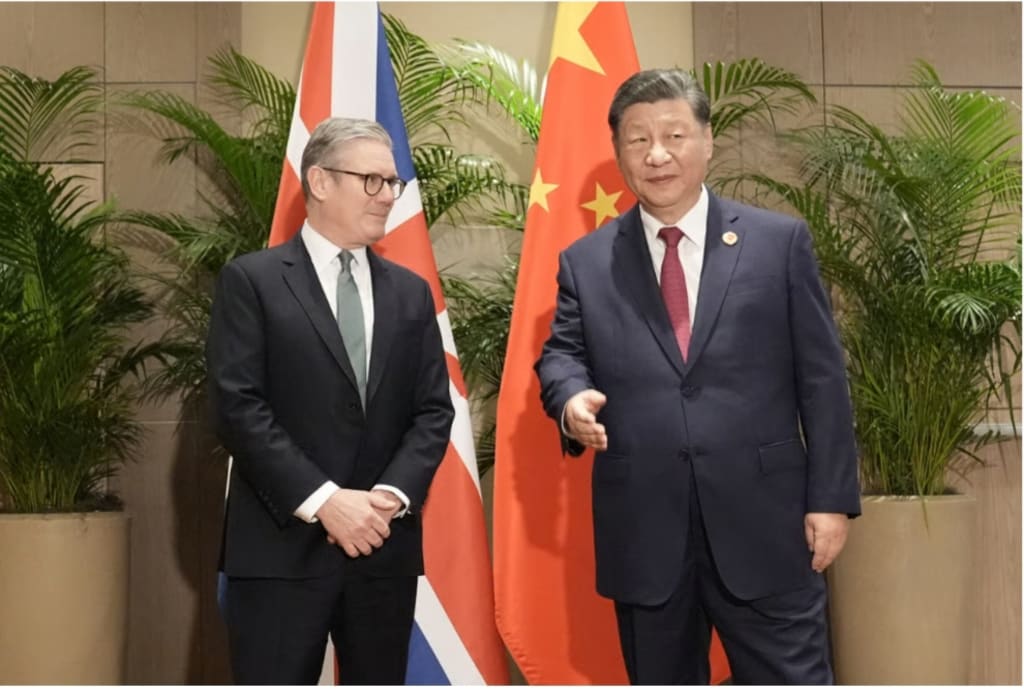
From balancing economic opportunity to safeguarding human rights — expert voices chart a careful course for the UK’s first China visit in eight years
British Prime Minister Keir Starmer is preparing for a high‑stakes diplomatic trip to China — his first as prime minister and the first by a UK leader in eight years. The visit comes at a critical geopolitical moment, with London seeking to revive trade ties while managing security concerns and maintaining its closest alliance with the United States. As Starmer’s delegation heads to Beijing — accompanied by nearly 60 British business, culture and industry representatives — China watchers and policy experts offer clear guidance on how he should frame his approach and what priorities should guide his agenda.
1. Focus on Pragmatic Engagement and Economic Growth
Many analysts stress that Starmer must prioritise economic cooperation with China, given Beijing’s role as the UK’s third‑largest trading partner. A government press release ahead of the trip notes that he intends to promise a strategic, consistent partnership aimed at “making the UK better off,” with a focus on areas like financial services, advanced manufacturing, life sciences, and green technology.
China’s foreign ministry has signalled a willingness to expand cooperation, emphasising mutual trust and deeper practical ties with Britain across sectors such as finance, healthcare, and manufacturing.
Experts say that delivering tangible wins for British businesses — from trade deals to investment frameworks — will bolster Starmer’s credibility at home and create shared economic incentives for maintaining constructive relations with Beijing.
2. Maintain Guardrails on National Security
Security analysts caution that economic engagement must not overshadow national security priorities. Downing Street has emphasised that Starmer plans to remain “clear‑eyed and realistic” about the security challenges posed by China, including concerns around espionage, data integrity, and emerging technologies.
Observers note that China’s expanding technological footprint and strategic ambitions require vigilant negotiation. Starmer may reaffirm the UK’s commitment to protecting its critical infrastructure and intellectual property, ensuring that cooperation with China does not expose vulnerabilities in sectors such as digital networks and advanced manufacturing.
In line with this advice, Sky News has previously highlighted Starmer’s warning that China poses “real national security threats” to the UK, underscoring the importance of reinforcing security “guardrails” as part of diplomatic discussions.
3. Address Human Rights and Shared Global Values
A key point raised by human rights organisations is that Starmer should not shy away from raising human rights concerns with Chinese leaders. Human Rights Watch, among others, argues that discussions about trade and cooperation should go hand‑in‑hand with advocacy on issues like forced labour, restrictions on independent unions, Xinjiang abuses, the treatment of political prisoners, and transnational repression of dissidents.
While economic and security priorities are central, critics warn that ignoring human rights could undermine the UK’s moral authority and alienate civil society supporters. Addressing these issues directly — even amid sensitive negotiations — could help signal the UK’s commitment to universal rights and international norms.
4. Balance Relations With the United States
Starmer’s China trip occurs against a backdrop of strained UK–U.S. relations, particularly over differing approaches to China policy. Reuters notes that the visit seeks to “repair ties” with Beijing while navigating an “unpredictable” alliance with Washington, signalling that Britain is attempting to assert a more independent foreign policy.
Experts suggest that Starmer must walk a diplomatic tightrope: engaging China on economic fronts while reassuring the U.S. that Britain remains a firm ally on shared security goals, including Taiwan, Indo‑Pacific strategy, and global defence cooperation. Starmer’s public statements that the UK will not be “forced to choose” between the U.S. and China reflect this balancing act, though how that plays out in practice will be critical.
Maintaining credibility with both partners could help the UK leverage its position in global forums while avoiding unnecessary bipolar pressure in an increasingly complex world.
5. Set Realistic Expectations on Immediate Gains
China watchers caution that immediate breakthroughs should not be expected from this first visit. Analysts have described the prospects for major economic or diplomatic announcements as limited, with the focus better placed on rebuilding trust and regular communication channels between London and Beijing.
The UK’s trade deficit with China has more than doubled since 2018, and strategic use of trade by Beijing as a tool of foreign policy could limit the scale of quick wins for Starmer’s delegation. Experts advise that the trip’s achievements should be measured not by headline deals, but by frameworks for long‑term engagement and clearer understanding on both sides.
An Integrated Strategy for a Complex Era
Taken together, these expert views paint a picture of a China visit that must blend economic opportunity with cautious diplomacy and principled engagement. The aim for Starmer is not simply to secure short‑term trade agreements, but to create sustainable frameworks that protect British interests, uphold core values, and contribute to a stable international order.
China’s announcement that it seeks deeper cooperation — with specific high‑level talks planned between Starmer, President Xi Jinping, Premier Li Qiang, and other officials — reflects Beijing’s interest in steady relations with the UK.
Whether Starmer can successfully balance competing pressures — from domestic business expectations to national security concerns and human rights advocacy — will define the legacy of this landmark trip. As he becomes the first British prime minister to visit China in eight years, the diplomatic choreography he chooses will have重要 implications for the UK’s position on the world stage and its relationships with major allies and partners alike.
About the Creator
Keep reading
More stories from Salaar Jamali and writers in Journal and other communities.
The world order likes to introduce itself as a set of principles.
From 2010 to 2025, that tension between military dominance and national interest did not fade. It became the soundtrack. Every headline felt like a reminder that power still matters, but power now travels in new forms: data, supply chains, energy routes, sanctions, alliances, debt, and the quiet leverage of who controls the platforms where money and information move.
By Sayed Zewayed3 days ago in Journal



Comments
There are no comments for this story
Be the first to respond and start the conversation.