Comedians
How I Accidentally Became the Office Meme
By Nadeem Shah Let me start by saying this: I never intended to become the subject of an office-wide meme. I’m a normal guy. I drink my coffee, meet my deadlines, and generally try to avoid public humiliation. But fate, fluorescent lighting, and one very poorly placed power cord had other plans for me.
By Nadeem Shah 6 months ago in Humor
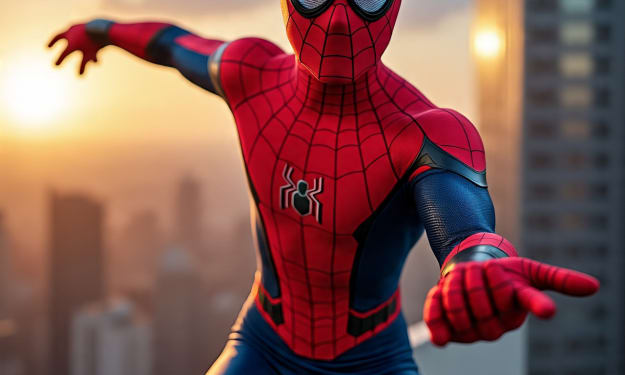
Spider-Man: Web of One Day
The sun rose over New York City, casting gold onto the skyline and bouncing light off the polished glass of Midtown towers. In a small Queens apartment, Peter Parker sat at his cluttered kitchen table, cradling a cold cup of coffee. His Spider-Man mask lay beside an open envelope—one with shaky handwriting that simply read:
By Muhammmad Zain Ul Hassan6 months ago in Humor
The Joyful Town That Laughed Together
The Joyful Town That Laughed Together How a Community Discovered the Power of Humor to Uplift, Unite, and Thrive In the little town of Willowberry, population 4,203 and one overly enthusiastic chicken named Cluckles, something magical happened—though it didn’t start that way. It began with a pothole. Not just any pothole, but the Grand Canyon of sidewalk dips, located right outside the town bakery. Every morning, at least one person would trip into it, often launching a pastry skyward like a baked salute to gravity. It was the cause of two sprained ankles, one broken rolling pin, and a very confused cat who mistook a flying croissant for a bird. The townsfolk had had enough. At the next town meeting, Mayor Betty Wiggins—who wore polka-dotted glasses and had a laugh that could be heard three counties over—stood up and declared, “We have two choices: we can fix the pothole, or we can fix our spirits.” Everyone blinked. “Let’s throw a festival,” she said, “to laugh at ourselves before life does it for us!” And just like that, Laugh Fest was born. Planning the Festival Preparations started immediately. The town florist, Mr. Henry Bloom, created a “Bouquet of Giggles,” using flowers shaped like rubber chickens. The high school drama club wrote a play called Romeo & Hoo-Ha, a parody so ridiculous that even the drama teacher couldn’t say the lines without snorting. Every shop joined in. The hardware store sold “build-your-own whoopee cushions,” while the grocery offered “laughing lettuce” (which was just regular lettuce with googly eyes on the packaging). But the heart of the festival was the community. Mrs. Lee, who hadn’t spoken much since her husband passed, signed up for the joke-telling booth. Kids painted faces on vegetables and entered them in the “Silly Produce Parade.” Even Mr. Grumbleton, the grumpiest man in town, was spotted crafting a ten-foot-tall sculpture of himself made entirely out of marshmallows. (He said it was “accurate on the inside—soft and sticky.”) The Big Day On the morning of Laugh Fest, the sun shone as if it, too, had RSVP’d. People poured into the town square in homemade costumes. There was a walking banana peel, a couple dressed as mismatched socks, and a baby disguised as a mustache. Cluckles the chicken had been appointed honorary mascot and wore a tiny bow tie, though he insisted on pecking anyone who laughed at it. Mayor Wiggins opened the event by tripping into the infamous pothole on purpose—then popping up with a pie in each hand and yelling, “Start your giggles!” The crowd roared. Throughout the day, laughter echoed through the streets. There were joke battles, awkward dance-offs, and even a “bad haircut contest” (sponsored by the local barber, who bravely offered 50% off for anyone willing to leave with a mullet). Children ran around blowing bubbles filled with helium that squeaked as they popped, and someone brought a kazoo orchestra. But the highlight of the festival was the Laughter Relay. Teams of four had to carry a rubber chicken across town while telling jokes, trying not to laugh. It was a disaster—and an overwhelming success. No one made it past the second block without falling into fits of giggles. The Aftermath By sunset, everyone was tired, sticky from cotton candy, and filled with something more lasting than sugar—joy. For the first time in a long time, the people of Willowberry weren’t thinking about potholes, bills, or the broken coffee machine at town hall. They were thinking about each other. The laughter didn’t just stay in the square. It followed people home. The local newspaper ran photos for days. One image of Mr. Grumbleton smiling (genuinely!) became the town’s most shared post in social media history. Kids began leaving joke notes in each other’s lockers. The bakery renamed its signature scone “The Guffaw.” And yes, the pothole finally got filled. But not before they placed a small plaque beside it: > Here once stood the hole that made us whole. Laugh Fest, Year One. A Lasting Tradition Laugh Fest became an annual tradition. Not because the town needed a distraction, but because it had discovered a secret: humor was more than a break from life. It was the glue that held people together. Willowberry didn’t change overnight. There were still bad days and burnt toast and parking tickets. But now, someone always found a way to turn it into a story worth laughing at. And honestly, when you live in a town where the chicken wears a bow tie and the mayor moonlights as a stand-up comedian, it’s hard not to smile.
By Muhammad Saad 6 months ago in Humor
Laugh Lines and Punchlines
Laugh Lines and Punchlines A Hilarious Deep Dive into the Science, Struggles, and Surprises of Being Funny In the town of Chuckleton—population: just enough to fill a stand-up show on open mic night—humor wasn’t just a pastime, it was a survival tactic. If your joke didn’t land, neither did your coffee order. The barista had a rule: “No laughs, no lattes.” Meet Barry Blunder, an aspiring comedian with a name so unfortunate, even his birth certificate came with a rimshot. Barry wasn’t born funny. In fact, his first words were “Please laugh,” which, in hindsight, set the tone for his life. Every Friday, Barry tried his luck at The Giggle Pit, the town’s beloved comedy club that looked like a garage and smelled like old nachos. Its slogan? “Where funny goes to try.” Barry’s act? Mostly bad impressions of vegetables and interpretive dance routines involving pizza slices. After six months of polite coughs and one person accidentally clapping because they sneezed, Barry hit a low point. On one particularly tragic night, his only laugh came from a chair squeaking during his dramatic reenactment of Shakespeare... as a squirrel. Defeated, he slumped at the bar. “Maybe I’m just not funny,” he sighed. Behind the bar stood Midge, the club’s owner and former circus mime. She wiped a glass and smirked, “Funny isn’t something you are, Barry. It’s something you chase, like a balloon in the wind or a dog wearing socks.” Barry blinked. “That’s… profound. And weird.” “Exactly,” Midge nodded. “You’re trying too hard. Be weird. Be real. Stop dancing with pizza.” It hit Barry like a rogue pie to the face—comedy wasn’t about being funny; it was about being yourself. And his true self? A catastrophically awkward, oddly philosophical grocery store clerk who once argued with a parrot for twenty minutes before realizing it was a recording. So the next week, Barry ditched the vegetables and walked on stage with no props—just his painfully honest stories. He told the crowd about the time he tried speed dating and accidentally proposed to the server. He reenacted how he once mistook a smart fridge for a person and told it his life goals. He paused. Silence. And then—boom. Laughter. Real laughter. The kind that shakes tables and makes people snort involuntarily. One woman laughed so hard, she accidentally swallowed her gum and gave Barry a thumbs-up mid-choke. It was beautiful. Word spread. Barry Blunder was funny—like, weirdly funny. A week later, he was the headliner. A month later, a TikTok of him explaining his fear of escalators went viral (“It’s stairs... with trust issues!”). Soon, he was getting calls from late-night hosts and brand deals from questionable snack companies (“The chips that crunch like regret!”). But Barry never forgot where he started—or the chair that laughed at him. He kept it in his garage as a trophy. His fame didn’t make him slicker, though. In fact, at his first TV special, he tripped on the mic cord, knocked over a water bottle, and muttered, “Well, I’ve already wet myself emotionally.” The audience roared. Barry had become living proof that sometimes, the funniest people aren’t the ones who try to be funny. They’re the ones who fall face-first into life and get up with a joke. Back in Chuckleton, The Giggle Pit now had a golden plaque on Barry’s favorite barstool. It read: "Barry Blunder: The Man Who Failed So Hard, He Became Hilarious." Midge still wiped glasses and offered unsolicited advice to every struggling comic who passed through. “Don’t chase laughs,” she’d say. “Chase truth. Then add punchlines.” And Barry? He never went back to dancing with pizza slices… but he did eventually marry the barista. She claimed his proposal was the first time she laughed so hard, she spilled espresso on a priest. --- Moral of the Story: The most attractive kind of humor isn’t polished or perfect. It’s raw, awkward, honest, and deeply human. Whether you're bombing in front of a crowd or making your friends laugh mid-text, the real punchline is this: being yourself is the funniest thing you’ll ever be.
By Muhammad Saad 6 months ago in Humor
Laughing Matters: The Power of Humor in Everyday Life
Laughing Matters: The Power of Humor in Everyday Life It started with a sneeze. Not just any sneeze—an exaggerated, cartoonish, earthquake-of-a-sneeze from 72-year-old Mr. Thompson during a quiet moment at the Pinewood Community Center’s Wednesday knitting group. He looked startled afterward, his reading glasses halfway down his nose, yarn tangled in his lap. For a moment, there was silence. Then one chuckle escaped from Margie, followed by a stifled snort from Jamilah, and suddenly the entire group—eight people ranging from teenagers to retirees—was doubled over in laughter. That moment, absurd and joyful, kicked off what became known as the "Pinewood Laugh Movement." The story spread quickly: the knitting group that couldn't stop laughing. The local coffee shop put up a chalkboard sign that read, “Warning: Side effects of entering may include uncontrollable giggles.” Even the grumpy librarian cracked a smile when someone returned a book late with a note that read, “Sorry I was late—my cat held it hostage.” Within weeks, humor was no longer a passing joke in the Pinewood community—it had become a shared language. The Science Behind the Smiles Humor, as it turns out, is more than just fun and games. According to Dr. Lila Nguyen, a psychologist and Pinewood resident, laughter releases endorphins, lowers stress hormones, and boosts immune function. "People often think of humor as an escape," she said, “but it’s actually a bridge. It connects us, especially when life gets heavy.” She began running a free weekly workshop called “Laugh It Off”, open to anyone who wanted to explore the emotional benefits of humor. There, people shared stories—funny things their kids said, embarrassing Zoom call moments, even comical takes on their struggles. One participant, Antonio, a high school junior, started coming after a rough semester. “I didn’t think laughing would help,” he admitted. “But when you’re in a room full of people who aren’t afraid to be silly, it’s like your problems shrink—even if just for a while.” Humor in Unlikely Places Soon, the idea of humor-as-connection spread beyond workshops. The local hardware store began hiding plastic dinosaurs in random aisles for customers to find. The bus driver on Route 12 wore a different funny hat every Tuesday. Even the town council meetings, once dreary and stiff, began with a community-submitted “joke of the week.” One submission from a 5-year-old named Emma read: “Why did the banana go to the doctor? Because it wasn’t peeling well!” The mayor laughed so hard he had to pause the meeting. And that was the thing about humor—it didn’t require perfection. It didn’t care if the joke landed just right or if the laugh was polished. It welcomed awkwardness, embraced quirks, and gave people permission to be human. Healing Through Humor Not all laughter was lighthearted. Some came with tears. Marisol, a nurse who had worked through two overwhelming years at the local clinic, shared a story during one of Dr. Nguyen’s sessions. It was about a patient who kept joking about his socks being haunted. “Every time I checked his blood pressure,” she said, “he swore the ghosts in his socks were interfering.” Everyone laughed, but Marisol’s voice cracked. “It helped,” she added. “He made me laugh when I needed it most. And I think he knew that.” Humor doesn’t erase pain, but it can soften its edges. In Pinewood, people began to recognize that. It wasn’t about pretending things were perfect—it was about finding the light in between. A Community Changed Six months after Mr. Thompson’s legendary sneeze, the Pinewood community felt transformed. There were still hard days, of course. There were still disagreements and bad news and grocery store lines that stretched too long. But there was also laughter—genuine, frequent, and shared. At the summer street fair, they held the first-ever “Laughter Parade.” Instead of marching bands, floats featured local clowns, comedians, and kids telling knock-knock jokes. A group of seniors in tutus danced to polka music. People lined the streets, laughing until they cried. And at the very end of the parade was Mr. Thompson, holding a sign that read: “Still sneezing. Still laughing.” Why Laughing Matters In a world often overshadowed by stress and seriousness, Pinewood proved something quietly revolutionary: humor isn’t a distraction—it’s a tool for connection. A simple joke can open a heart. A shared laugh can build a bridge. Humor, like love, is something we all understand in our own way. And when used with kindness, it reminds us we’re not alone—not in our joy, and not in our struggle. So the next time life feels a bit too heavy, remember what happened in Pinewood. Smile at a stranger. Tell a silly joke. Laugh out loud. Because sometimes, what really matters... is that we keep laughing.
By Muhammad Saad 6 months ago in Humor
South Park's 2025 Trump Episode: A Satirical Reflection on Politics and Society. AI-Generated.
In the ever-evolving landscape of American politics, few television shows have managed to capture the zeitgeist as effectively as South Park. Created by Trey Parker and Matt Stone, the animated series has been known for its sharp satire and willingness to tackle controversial subjects head-on. As we look ahead to 2025, the anticipation surrounding a potential South Park episode centered on Donald Trump is palpable. This article delves into the implications, themes, and societal reflections that such an episode could explore, considering Trump's enduring influence on American culture and politics.
By Trend Vantage6 months ago in Humor
Happy Gilmore 2: The Long-Awaited Sequel to a Comedy Classic. AI-Generated.
In the realm of comedy films, few have left as indelible a mark as Adam Sandler's 1996 classic, Happy Gilmore. The film, which follows the story of a failed hockey player who discovers his talent for golf, became an instant favorite, blending sports, humor, and heart in a way that resonated with audiences. With its memorable one-liners, quirky characters, and a unique premise, Happy Gilmore has maintained a cult following over the years. As fans continue to clamor for a sequel, the question arises: What would Happy Gilmore 2 look like?
By Trend Vantage6 months ago in Humor
South Park and Donald Trump: A Satirical Examination. AI-Generated.
Introduction Since its inception in 1997, South Park has been known for its sharp satire and willingness to tackle controversial subjects. One of the most polarizing figures in recent American history is Donald Trump, whose presidency and persona have provided ample material for the creators of South Park. This article explores how South Park has portrayed Trump, the implications of this portrayal, and the broader cultural context surrounding it.
By Trend Vantage6 months ago in Humor
Miss Gloria and the Case of the Grand Prize Sandwich
Miss Gloria Whitaker had never won anything in her life. Not a spelling bee. Not a game of bingo. Not even the church raffle that had only seven entries. She was the type of woman who played for the joy of participation, always cheered for others, and said things like, “Winning isn’t everything, darling. Sometimes it’s just about showing up in your best pearls.”
By Muhammad Sabeel6 months ago in Humor