
Laughing Matters: The Power of Humor in Everyday Life
How Jokes, Giggles, and Good Timing Build Stronger Communities and Happier Minds
Laughing Matters: The Power of Humor in Everyday Life
It started with a sneeze.
Not just any sneeze—an exaggerated, cartoonish, earthquake-of-a-sneeze from 72-year-old Mr. Thompson during a quiet moment at the Pinewood Community Center’s Wednesday knitting group. He looked startled afterward, his reading glasses halfway down his nose, yarn tangled in his lap.
For a moment, there was silence.
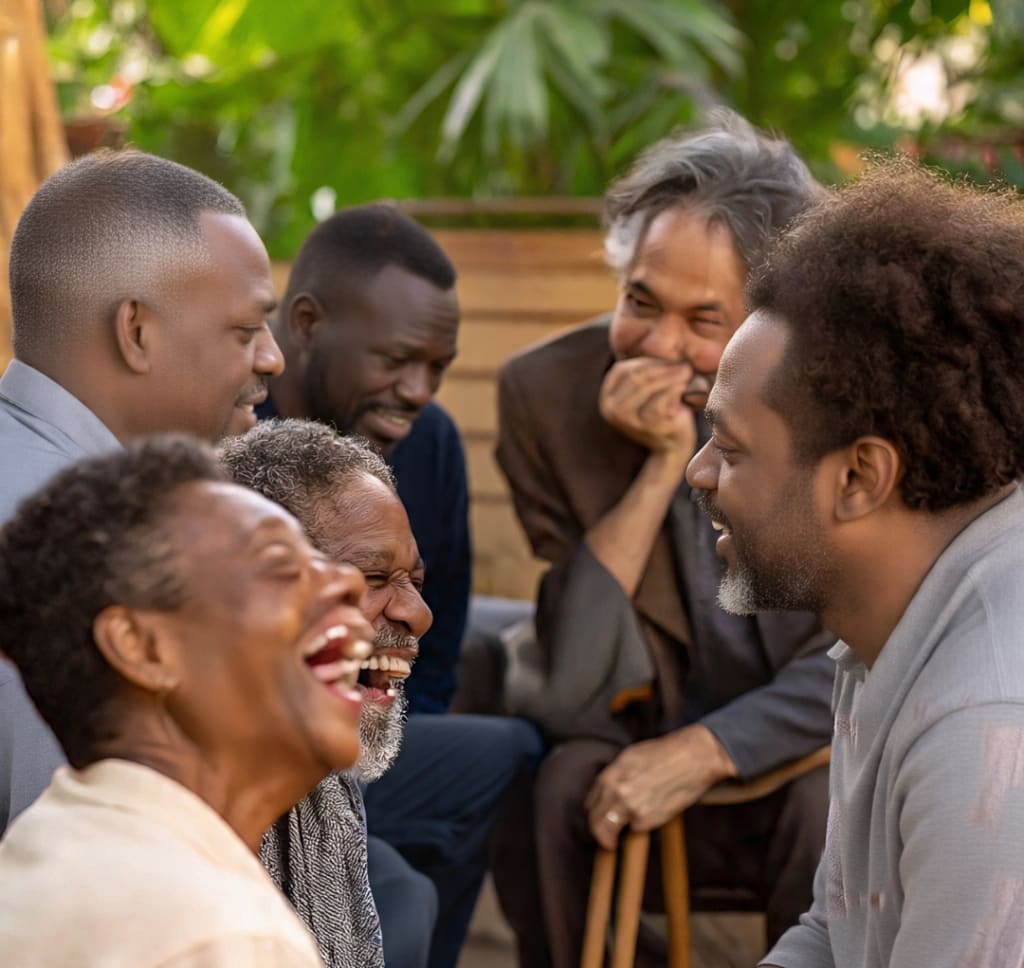
Then one chuckle escaped from Margie, followed by a stifled snort from Jamilah, and suddenly the entire group—eight people ranging from teenagers to retirees—was doubled over in laughter.
That moment, absurd and joyful, kicked off what became known as the "Pinewood Laugh Movement."
The story spread quickly: the knitting group that couldn't stop laughing. The local coffee shop put up a chalkboard sign that read, “Warning: Side effects of entering may include uncontrollable giggles.” Even the grumpy librarian cracked a smile when someone returned a book late with a note that read, “Sorry I was late—my cat held it hostage.”
Within weeks, humor was no longer a passing joke in the Pinewood community—it had become a shared language.
The Science Behind the Smiles
Humor, as it turns out, is more than just fun and games. According to Dr. Lila Nguyen, a psychologist and Pinewood resident, laughter releases endorphins, lowers stress hormones, and boosts immune function.
"People often think of humor as an escape," she said, “but it’s actually a bridge. It connects us, especially when life gets heavy.”
She began running a free weekly workshop called “Laugh It Off”, open to anyone who wanted to explore the emotional benefits of humor. There, people shared stories—funny things their kids said, embarrassing Zoom call moments, even comical takes on their struggles.
One participant, Antonio, a high school junior, started coming after a rough semester. “I didn’t think laughing would help,” he admitted. “But when you’re in a room full of people who aren’t afraid to be silly, it’s like your problems shrink—even if just for a while.”
Humor in Unlikely Places
Soon, the idea of humor-as-connection spread beyond workshops. The local hardware store began hiding plastic dinosaurs in random aisles for customers to find. The bus driver on Route 12 wore a different funny hat every Tuesday. Even the town council meetings, once dreary and stiff, began with a community-submitted “joke of the week.”
One submission from a 5-year-old named Emma read: “Why did the banana go to the doctor? Because it wasn’t peeling well!” The mayor laughed so hard he had to pause the meeting.
And that was the thing about humor—it didn’t require perfection. It didn’t care if the joke landed just right or if the laugh was polished. It welcomed awkwardness, embraced quirks, and gave people permission to be human.
Healing Through Humor
Not all laughter was lighthearted. Some came with tears.
Marisol, a nurse who had worked through two overwhelming years at the local clinic, shared a story during one of Dr. Nguyen’s sessions. It was about a patient who kept joking about his socks being haunted. “Every time I checked his blood pressure,” she said, “he swore the ghosts in his socks were interfering.”
Everyone laughed, but Marisol’s voice cracked. “It helped,” she added. “He made me laugh when I needed it most. And I think he knew that.”
Humor doesn’t erase pain, but it can soften its edges. In Pinewood, people began to recognize that. It wasn’t about pretending things were perfect—it was about finding the light in between.
A Community Changed
Six months after Mr. Thompson’s legendary sneeze, the Pinewood community felt transformed. There were still hard days, of course. There were still disagreements and bad news and grocery store lines that stretched too long.
But there was also laughter—genuine, frequent, and shared.
At the summer street fair, they held the first-ever “Laughter Parade.” Instead of marching bands, floats featured local clowns, comedians, and kids telling knock-knock jokes. A group of seniors in tutus danced to polka music. People lined the streets, laughing until they cried.
And at the very end of the parade was Mr. Thompson, holding a sign that read: “Still sneezing. Still laughing.”
Why Laughing Matters
In a world often overshadowed by stress and seriousness, Pinewood proved something quietly revolutionary: humor isn’t a distraction—it’s a tool for connection. A simple joke can open a heart. A shared laugh can build a bridge.
Humor, like love, is something we all understand in our own way. And when used with kindness, it reminds us we’re not alone—not in our joy, and not in our struggle.
So the next time life feels a bit too heavy, remember what happened in Pinewood. Smile at a stranger. Tell a silly joke. Laugh out loud.
Because sometimes, what really matters... is that we keep laughing.
About the Creator
Keep reading
More stories from Muhammad Saad and writers in Humor and other communities.



Comments
There are no comments for this story
Be the first to respond and start the conversation.