
The Power of Play: How Adult Playfulness Can Increase Creativity and Productivity
Unlock creativity and boost productivity by embracing the power of play in adulthood for mental well-being and innovation.

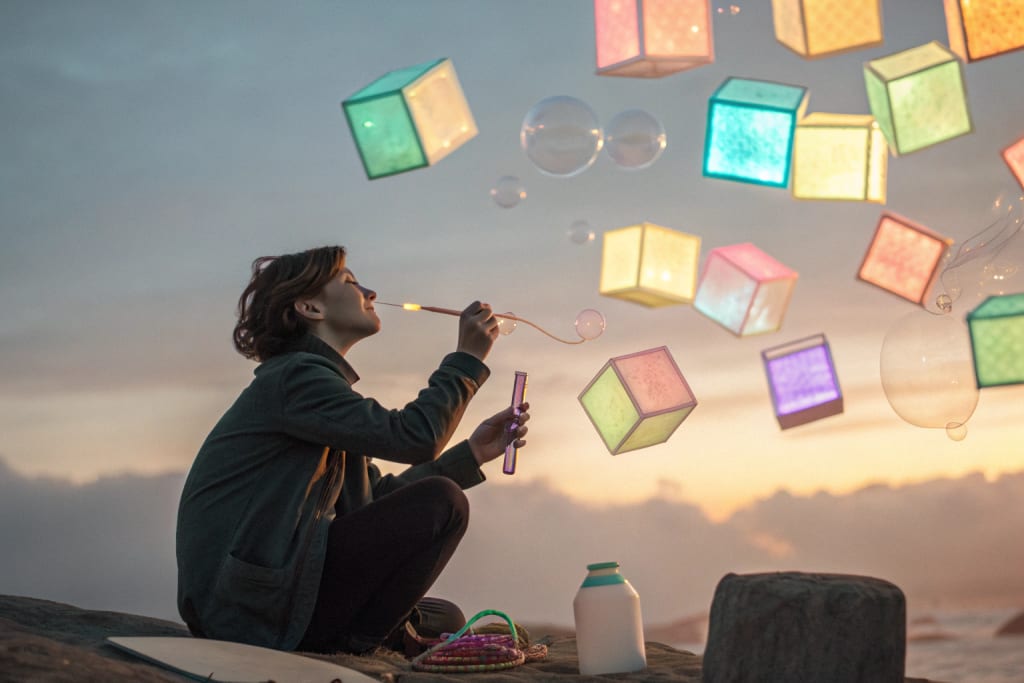
Introduction: Rediscovering the Power of Play in Adulthood
For all of us, play was a core aspect of being a child. Whether it was playing tag around the playground, creating pretend worlds with our friends, or playing games that pushed the boundaries of our imagination, play was a core means of learning, discovery, and self-expression. But when adulthood sets in, play falls behind. It's considered frivolous, something that does not fit in the tough, goal-oriented realm of work and responsibility. Play is equated with children, and as adults, we are expected to put it behind us and assume the role of productivity, efficiency, and order.
But in recent years, research has shown that play is not just for kids—play is a powerful force to be reckoned with for adults too, and it can make a significant increase in creativity, problem-solving skills, and general well-being. Far from a waste of time, play is a key activity for innovation, stress relief, and business and life success. In this article, we’ll explore the psychology of play, its connection to creativity, and how embracing a playful attitude can lead to a more fulfilled, productive life.
The Psychology of Play: Why It’s Vital for the Brain
Play is a natural human behavior that is embedded in our biology and psychology. Play encompasses a wide range of cognitive processes, including memory, attention, and regulation of emotions. Play frees the brain to experiment and relax while it consolidates and integrates information into new patterns.
Neuroplasticity and Play
Perhaps the most fascinating aspect of play is that it can induce neuroplasticity—the ability of the brain to reroute itself by forming new neural pathways. As we play, our brains must work differently, forming new routes that are essential to innovation. This is particularly beneficial for adults, whose brains are less flexible than children's. Play reverses mental loss, keeps the brain in the best shape possible, and creates problem-solving and adaptation skills.
The Role of Dopamine and Endorphins
Play releases dopamine, the brain's "feel-good" neurotransmitter. Dopamine is associated with enjoyment, reward, and motivation. When we play, our brains are brimming with this chemical, so the activity feels enjoyable and brings us back to it. Endorphins, the natural painkillers in the body, are also released in play, producing a sense of good feeling and relief from stress. These neurochemical effects are why play is so rewarding and why it has a beneficial effect on mood and mental health.
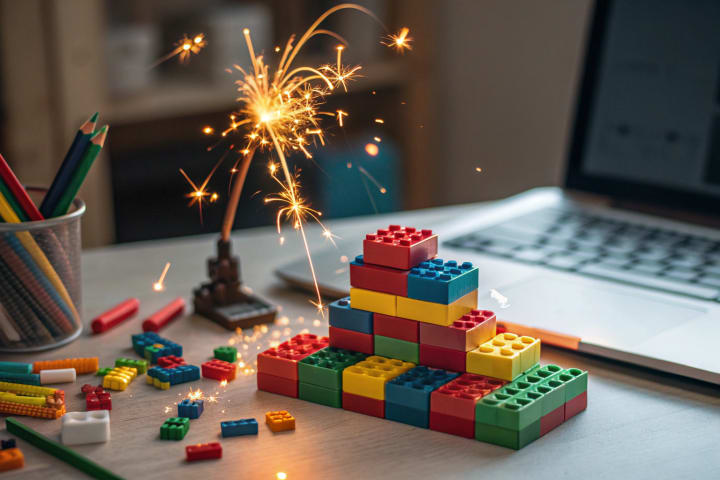
How Play Encourages Creativity and Problem-Solving
Play is the sandbox of the imagination. In contrast to the rigid structure of work, play sets us free to shed constraints, take risks, and fail. It's within this arena of playful exploration that creativity takes hold.
The Freedom to Fail
One of the best things about play is that it eliminates the fear of failure. Within the world of work, mistakes are costly. In play, however, failure is a time for amusement. This liberty to fail invokes experimentation, trial, and error—vital elements of inventive problem-solving. Most of the world's most successful entrepreneurs and inventors employed play to experiment with new solutions, break free from old patterns, and discover creative solutions that would never have occurred in a more disciplined environment.
Play as Divergent Thinking
Play contains divergent thinking—the ability to devise a great many diverse possible solutions to a challenge. This is critical to creativity because it allows us to break out of habitual thinking and consider problems from fresh angles. Perhaps in some open-ended brainstorming, an improv game, or some creative activity such as painting or building, play instructs us to think without constraints and to jump over obstacles that otherwise go unseen.
The Connection of Playfulness to Emotional Well-being
In addition to its mental edge, play also has a significant impact on our emotional well-being. Play leaves us feeling happy, connected, and in harmony, all of which are required for emotional well-being in today's fast-paced adult world.
Stress Reduction and Resilience
One of the best things about play is that it serves to reduce stress. In a world where most adults are constantly coping with work, home, and other responsibilities, play provides an essential opportunity for rest and escape. Play allows individuals to temporarily escape the pressure of daily living, providing a mental break needed in order to stay strong.
Building Social Connections
Play is also a good way of creating social bonds. Whether as a team sport, board game, or as a joking, teasing chat, social encounters through play draw people closer to each other. These are the kind of things that create trust, facilitate communication, and give people the sense of belonging, all of which are necessary for emotional well-being. Increasingly, research has, in fact, found that play actually generates positive emotions and may even help reduce feelings of loneliness or isolation.

Examples of Adults Using Play to Fuel Innovation
Against the common myth that play is reserved for children, many successful businesses and adults have utilized the potential of play to fuel innovation and creativity. Below are some examples of the use of play in various industries to fuel creativity and productivity:
Play at the Workplace: Google's "20% Time"
Google has its famous "20% time" culture in which employees are permitted to spend 20% of their workday on pet projects that they find fascinating, even if the projects are not specifically related to their primary job assignments. Through this practice, Google has produced revolutionary products like Gmail and Google News to show that giving employees freedom to tinker can lead to beneficial breakthroughs.
Play in Art and Design: Artists' and Designers' Role
The majority of artists and designers credit play with their success in conceptualizing novel pieces of work. Picasso had once said, "It took me four years to paint like Raphael, but a lifetime to paint like a child." Play allows artists to experiment in new media, defy the rules, and be innovative in styles free from traditional constraints. Designers also often use play to experiment with new concepts, materials, and approaches, which lead to products that constantly redefine style and functionality.
Play in Technology: The Evolution of Video Games
The video game industry itself is an example of play leading to innovation. Not only are video games fun, but also they involve high-level problem-solving, creativity, and collaboration. Most game developers, designers, and engineers credit the playful character of their work as the source of new technologies and interactive experiences. Play and game facilitate new forms of storytelling, interactivity, and engagement, which have far-reaching effects in entertainment and education.
How to Incorporate Play into a Busy Adult Life
Between work, family, and other responsibilities, there never seems to be time for play. But incorporating playful activity into your everyday life doesn't have to be challenging or time-sucking. Here are some ideas to incorporate play into your adult life:
1. Schedule Playtime
Just like any fine task, set aside time to play. Have the practice of setting routine breaks for fun activities, be it playing a game with mates, a hike in the outdoors, or a hobby that sparks your imagination. Playing scheduled time ensures it doesn't fall between the cracks amidst the chaos of daily life.
2. Find Playful Habits
You do not need to have a big event to play. Look for play opportunities in everyday life. Playful routines may be something as basic as dancing to your favorite song, something creative like writing or drawing, or even finding the humor in the illogic of day-to-day events. By incorporating tiny periods of play into your daily routine, you can integrate it without feeling overwhelmed.
3. Play With Purpose
Play does not necessarily have to be meaningless. Do activities that are also goal-oriented, such as mastering a new skill or generating ideas for a project. The activity must be approached with a playful attitude without the expectation of performance and achievement.
The Relationship Between Play and Mental Health
Play is one of those self-care activities that everyone tends to overlook but is really effective at preserving mental well-being. A regular play habit helps mitigate stress, fosters resilience, and enhances mood—all factors that are crucial for holding together in a stressful world.
Reducing Anxiety and Burnout
Play is a remedy against burnout and stress in a world that is under pressure. Physical activity, artistic endeavor, or social contact in play dissolves pent-up tension and provides relief against pressure. Play also allows individuals to clear their minds, and they are thus ready to deal with problems when they return to work or other responsibilities.

Conclusion: Adopt Play for a More Satisfied Life
Play is not just for children. It is a basic component of human existence that holds significant benefits for adults, including increased creativity, problem-solving skills, emotional well-being, and productivity. By integrating play into our daily lives, we can foster a sense of joy, reduce stress, and unlock our full potential.
We don't have to radicalize our everyday lives to introduce playfulness; it's a case of adopting the playful state of mind and allowing ourselves permission to explore, experiment, and enjoy ourselves without the pressure of ongoing achievement. The moment you become stuck or thwarted, be reassured that play might just be what's required to kickstart your creativity, re-establish contact with your internal joy, and access your inner potential.
About the Creator
The Chaos Cabinet
A collection of fragments—stories, essays, and ideas stitched together like constellations. A little of everything, for the curious mind.
Keep reading
More stories from The Chaos Cabinet and writers in Humans and other communities.
The Paradox of Choice: Why Too Many Choices Leave Us Unhappy
Introduction: Drowning in Choice Browse Netflix on a Friday night, and you find yourself doing something strange. With thousands of TV shows and films to choose from, you sit there paralyzed—scrolling forward and backward, unable to decide. The freedom that is meant to feel exhilarating instead chokes you. And when finally you do decide, you can't help but wonder whether something greater was left unseen.
By The Chaos Cabinet5 months ago in Humans
Love Is A Verb
“Why did nobody check on my mental health when I kept tattooing my face?” is a question I asked myself months ago. As I sat pondering on my previous life choices, I thought about the fact that many of them were clear signs that I wasn’t ok. I couldn’t help but wonder if the people in my life genuinely cared for me as they watched me get excessive face tattoos.
By Kenya Shania 4 days ago in Humans




Comments
There are no comments for this story
Be the first to respond and start the conversation.