
The Arrest of Sudanese Refugees by Tunisian Border Guards and Their Sale to Libyan Border Guards in the City of Zawiya
The Arrest of Sudanese Refugees by Tunisian Border Guards and Their Sale to Libyan Border Guards in the City of Zawiya**


**The Arrest of Sudanese Refugees by Tunisian Border Guards and Their Sale to Libyan Border Guards in the City of Zawiya**
The issue of Sudanese refugees being arrested by Tunisian border guards and then sold to Libyan border guards in the city of Zawiya is one of the most controversial and tragic cases in recent years. This case starkly highlights severe human rights violations and raises questions about security policies and regional cooperation in the Mediterranean region.
**Background of the Issue**
The crisis began when many Sudanese fled to Tunisia escaping the conflicts and wars in their country. Tunisia has long been a transit point for many refugees from Africa seeking safety and better opportunities for a dignified life. However, the policy of dealing with these refugees has become more complicated, especially under the security and economic pressures facing the region.
**Developments in the Case**
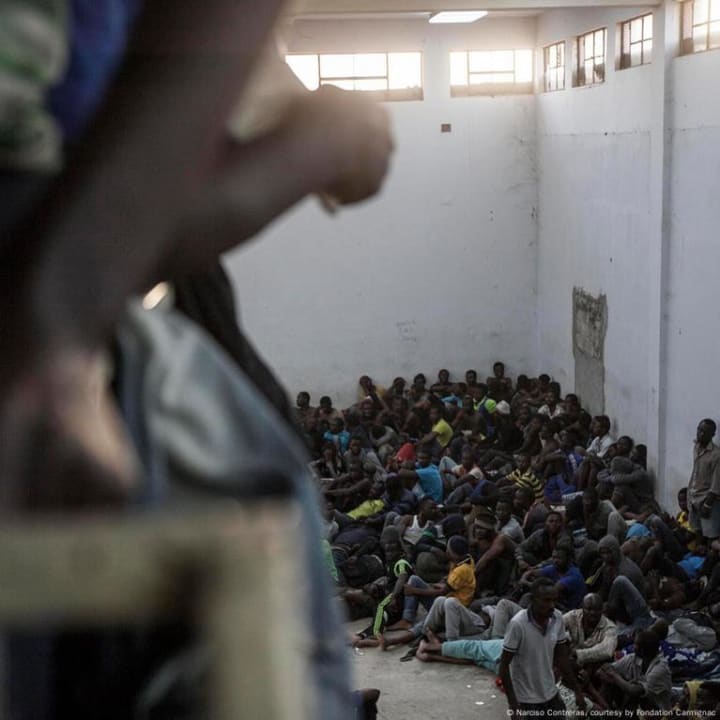
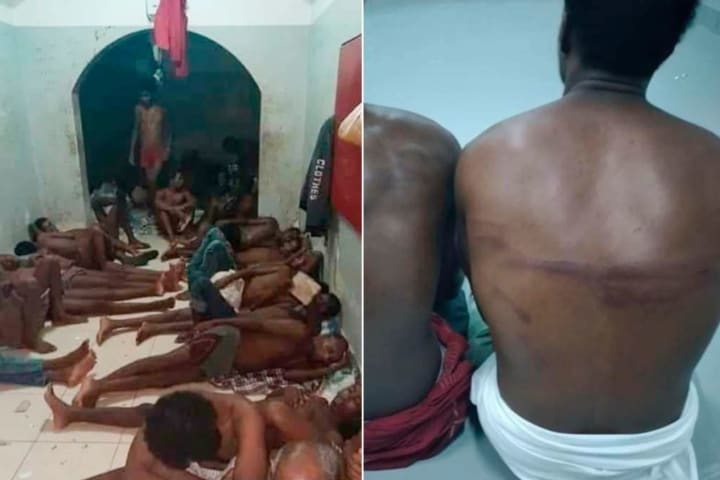
In recent years, reports have increased regarding illegal dealings involving the arrest and inhumane deportation of refugees. The specific case involves the arrest of Sudanese refugees by Tunisian border guards. According to reports, Tunisian authorities were arresting these refugees and transferring them to secret locations, where they faced harsh conditions and serious human rights abuses.
What is even more alarming is that some of these refugees were sold to Libyan border guards in the city of Zawiya. These reports suggest that Tunisian border guards might have received financial compensation for handing over these refugees, adding a new dimension to the tragedy of these individuals.
**International and Humanitarian Reactions**
These abuses have provoked international outrage, with human rights organizations such as Amnesty International and Human Rights Watch issuing statements condemning these actions. These organizations have called for independent and comprehensive investigations to ensure accountability and provide appropriate protection for the refugees.
Some countries and non-governmental organizations have taken steps to assist the affected individuals, including providing legal aid and healthcare. However, the scale of the crisis and its impact make it challenging to offer comprehensive support to all those in need.
**Challenges and Problems in Dealing with Refugees**
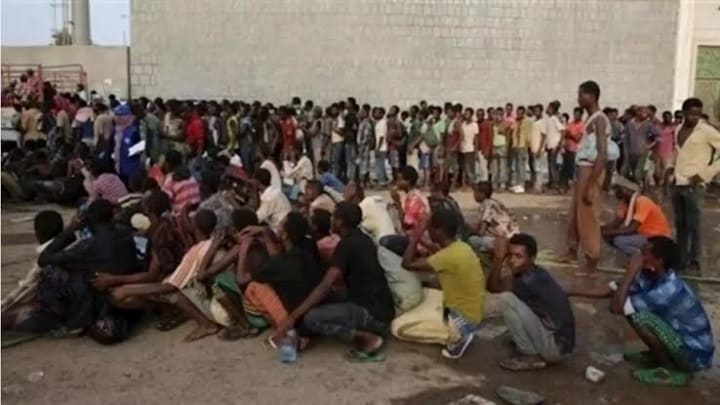
This case reveals the significant challenges faced by countries in addressing issues of asylum and migration. Political and economic tensions may drive some countries to take harsh measures that contradict their international human rights commitments. In Tunisia's case, there may be significant pressure to deal with the growing number of refugees, leading to inhumane decisions.
For Libya, ongoing events have shown that the security and governmental system suffers from significant weaknesses, making it difficult to ensure refugee rights and manage migrant workers effectively. Reports of refugees being sold to Libyan border guards underscore the fragile situation in Libya, where authorities lack the capacity to manage refugee issues humanely and effectively.
**Social and Humanitarian Impacts**
The repercussions of this case are profound. Affected communities experience insecurity and a loss of trust in the institutions meant to protect them. Refugees who have been arrested and sold suffer from psychological and physical trauma that can have lasting impacts on their lives. Additionally, these violations contribute to growing tensions between local communities and migrants.
**Investigations and the Future**
It is crucial to initiate fair and independent investigations into this case to ensure accountability and prevent the recurrence of such abuses in the future. Enhanced international and regional cooperation is needed to protect refugee rights and provide humane and sustainable solutions to humanitarian crises.
In the long term, asylum and migration policies should be based on human rights principles and promote cooperation between countries to ensure effective and sustainable protection. Efforts must focus on improving conditions for transit and reception of refugees and providing legal and safe alternatives to trafficking and smuggling.
**Conclusion**
Highlighting the case of Sudanese refugees being arrested and sold to Libyan border guards in Zawiya reflects the urgent need to strengthen human rights protections and develop effective asylum and rescue policies. Humanitarian crises require responses characterized by humanity and international cooperation to ensure safety and dignity for all individuals, especially those who find themselves in inhumane conditions.
About the Creator
Silver Screen Magic with Mae West
American actress and singer Mae West became a popular film actress during the Great Depression. She started entertaining in vaudeville, then performed on Broadway, and finally went to Hollywood. She signed up with Paramount Pictures and made her debut in the 1932 film “Night After Night.” She also starred in musicals, comedies, and crime dramas. The American Film Institute named her one of the best classic Hollywood actresses.
By Rasma Raisters6 days ago in Geeks


Comments
There are no comments for this story
Be the first to respond and start the conversation.