
The Tunisian Government's Perspective on Sudanese Refugees in Tunisia: Challenges and Opportunities
The Tunisian Government's Perspective on Sudanese Refugees in Tunisia: Challenges and Opportunities

### The Tunisian Government's Perspective on Sudanese Refugees in Tunisia: Challenges and Opportunities
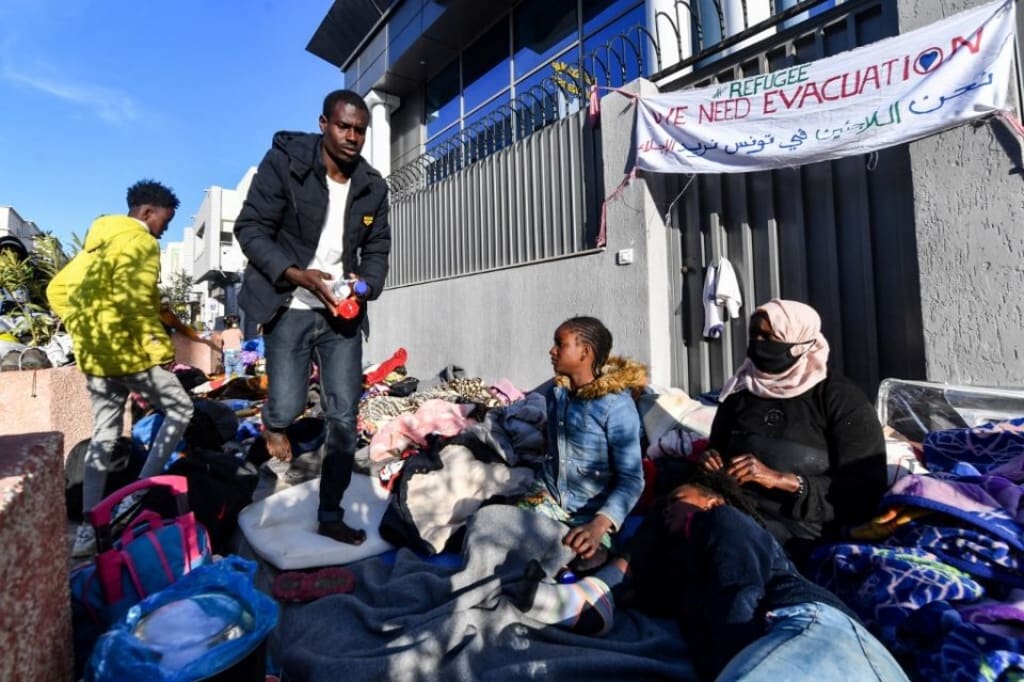
In recent years, the Tunisian government has faced a growing challenge due to the arrival of a significant number of Sudanese refugees seeking safety and opportunities within its borders. The presence of these refugees reflects humanitarian, economic, and political challenges that require a comprehensive and balanced response from the government to ensure their rights and promote their peaceful integration into Tunisian society.
#### Current Situation of Sudanese Refugees in Tunisia
Sudanese refugees in Tunisia encounter significant challenges, including a lack of legal protection and difficulties accessing basic services such as healthcare and education. Assistance is often provided primarily through non-governmental organizations and volunteers, leaving many refugees in precarious situations vulnerable to poverty and marginalization.
#### Tunisian Government's Policies Towards Refugees
The Tunisian government faces substantial challenges in developing effective policies that enhance refugee protection and contribute to their peaceful integration into Tunisian society. Key areas the government should focus on include:
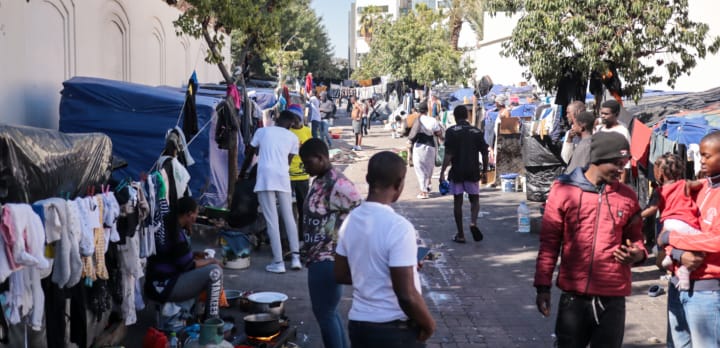
1. **Improving Legal Protection:** Tunisia suffers from inadequate legislation and policies concerning refugees, leaving many in legal limbo. The government must update laws to ensure refugees' protection and transparently provide them with their rights.
2. **Providing Basic Services:** It is essential to enhance and improve access to healthcare, education, and humanitarian assistance to improve the quality of life for refugees and enhance their opportunities for rebuilding their lives after fleeing conflicts.
3. **Supporting Social and Economic Integration:** The government should enhance cooperation with international and local organizations to provide educational and vocational programs that help refugees acquire the necessary skills for financial independence and integration into the Tunisian job market.
#### Future Challenges and Opportunities
Despite significant challenges, there are also opportunities for the Tunisian government to improve conditions for Sudanese refugees:
- **Enhancing International Partnerships:** Tunisia can benefit from collaborating with the United Nations and humanitarian organizations to strengthen international support and improve conditions for refugees.
- **Raising Public Awareness:** By educating the public about refugee issues and promoting tolerance and empathy, the government can help reduce instances of violence or discrimination against refugees.
- **Utilizing Local Community Resources:** The government can enhance cooperation with local communities to provide support and assistance to refugees, promoting cultural and social integration opportunities.
#### Conclusion
As a country with a rich history of humanitarian values, Tunisia's response to the Sudanese refugee crisis is a crucial test of its commitment to human rights and fundamental freedoms. Through comprehensive and sustainable policies, the government can play a pivotal role in achieving justice and integration for individuals seeking shelter within its borders.
### The Tunisian Government's Perspective on Sudanese Refugees in Tunisia: Challenges and Opportunities
In recent years, the Tunisian government has faced a growing challenge due to the arrival of a significant number of Sudanese refugees seeking safety and opportunities within its borders. The presence of these refugees reflects humanitarian, economic, and political challenges that require a comprehensive and balanced response from the government to ensure their rights and promote their peaceful integration into Tunisian society.
#### Current Situation of Sudanese Refugees in Tunisia
Sudanese refugees in Tunisia encounter significant challenges, including a lack of legal protection and difficulties accessing basic services such as healthcare and education. Assistance is often provided primarily through non-governmental organizations and volunteers, leaving many refugees in precarious situations vulnerable to poverty and marginalization.
#### Tunisian Government's Policies Towards Refugees
The Tunisian government faces substantial challenges in developing effective policies that enhance refugee protection and contribute to their peaceful integration into Tunisian society. Key areas the government should focus on include:
1. **Improving Legal Protection:** Tunisia suffers from inadequate legislation and policies concerning refugees, leaving many in legal limbo. The government must update laws to ensure refugees' protection and transparently provide them with their rights.
2. **Providing Basic Services:** It is essential to enhance and improve access to healthcare, education, and humanitarian assistance to improve the quality of life for refugees and enhance their opportunities for rebuilding their lives after fleeing conflicts.
3. **Supporting Social and Economic Integration:** The government should enhance cooperation with international and local organizations to provide educational and vocational programs that help refugees acquire the necessary skills for financial independence and integration into the Tunisian job market.
#### Future Challenges and Opportunities
Despite significant challenges, there are also opportunities for the Tunisian government to improve conditions for Sudanese refugees:
- **Enhancing International Partnerships:** Tunisia can benefit from collaborating with the United Nations and humanitarian organizations to strengthen international support and improve conditions for refugees.
- **Raising Public Awareness:** By educating the public about refugee issues and promoting tolerance and empathy, the government can help reduce instances of violence or discrimination against refugees.
- **Utilizing Local Community Resources:** The government can enhance cooperation with local communities to provide support and assistance to refugees, promoting cultural and social integration opportunities.
#### Conclusion
As a country with a rich history of humanitarian values, Tunisia's response to the Sudanese refugee crisis is a crucial test of its commitment to human rights and fundamental freedoms. Through comprehensive and sustainable policies, the government can play a pivotal role in achieving justice and integration for individuals seeking shelter within its borders.
About the Creator
Reader insights
Nice work
Very well written. Keep up the good work!
Top insight
Easy to read and follow
Well-structured & engaging content
Friendship vs. Soul Tribe: Navigating the Landscape of Connection
Human beings are social creatures, inherently wired for connection. We seek companionship, understanding, and a sense of belonging. This drive manifests in various forms of relationships, ranging from casual acquaintances to deep, lifelong friendships. But beyond the bonds of conventional friendship lies a realm of connection that feels fundamentally different, often described as a "soul tribe." While both friendships and soul tribe relationships offer value and support, understanding the distinctions between them can illuminate the unique roles they play in our lives and empower us to cultivate more fulfilling connections.
By Wilson Igbasi3 days ago in Humans



Comments (1)
Awesome