fact or fiction
Is it a fact or is it merely fiction? Fact or Fiction explores relationship myths and truths to get your head out of the clouds and back into romantic reality.
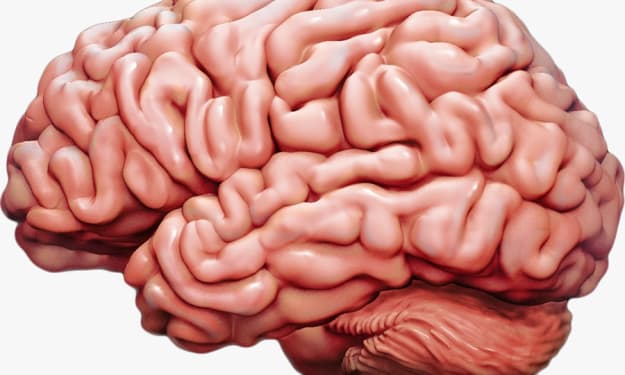
"The Fragile Odyssey: Unraveling the Mysteries of Brain Survival Without Oxygen"
Introduction: In the intricate tapestry of human existence, the brain reigns supreme as the orchestrator of consciousness, thought, and action. Yet, this remarkable organ is not impervious to the constraints of its vulnerability. Once the vital oxygen supply is severed, a journey into the delicate dance of survival ensues, and the human brain is granted a mere three to six minutes before the curtain falls. In this exploration, we delve into the mysteries of brain survival without oxygen, unraveling the intricate ballet that transpires within the recesses of our most vital organs.
By fatima zahra ajankar2 years ago in Humans
"Blinking: The Unseen Symphony of 10 Million Moments a Year"
Introduction: In the silent rhythm of our daily lives, there exists a subtle and involuntary act that often goes unnoticed—the blink of an eye. As we navigate the world, our eyes perform an intricate dance, fluttering closed and opening again, about 20 times a minute. This seemingly mundane action, taken for granted, accumulates to a staggering 10 million blinks a year. In this exploration, we delve into the profound significance of blinking, uncovering the intricate biology, the physiological benefits, and the poetic beauty hidden within these fleeting moments.
By fatima zahra ajankar2 years ago in Humans
What happened when you die?
What happens when you die? Brain death means dead -although machines can keep you going a little bit longer. You can also have what's called a cardiac death, which means the heart stops beating and blood no longer flows through your body. Strangely, people that have suffered cardiac death but have been brought back to life have said they were aware of what was going on around them. Others have talked about walking towards a light in such an NDE. Once you're definitely no longer with us, your muscles relax and this means your sphincter will too- meaning that triple Whopper and large fires you had for lunch will spill out of you- the gas you have in you may also leak out and cause a stink. The same goes for the pee you've got in your bladder, so dying not surprisingly is a bit of a messy affair. And men, you might even ejaculate. As for women, you may give birth after you have died if you were pregnant- which is something called "coffin birth." It doesn't happen often though. Instead of pushing, it's the gases in the abdomen that squeeze the newborn into the world. As the body gets rid of what is trapped inside, noises may be emitted from your mouth as air escapes.
By Thandeka Shangase2 years ago in Humans
"Unmasking Jack the Ripper: A Century-Old Mystery Shrouded in Shadows"
Introduction: The name "Jack the Ripper" invokes a chilling sense of mystery, terror, and unsolved crime. In the late 19th century, a series of gruesome murders in the Whitechapel district of London shocked the world, leaving an indelible mark on criminal history. The identity of Jack the Ripper remains one of the greatest mysteries of all time, with countless theories, suspects, and speculations surrounding the true identity of this elusive killer. In this article, we delve into the enigmatic world of Jack the Ripper, exploring the crimes, the investigations, and the enduring quest to unmask the infamous murderer.
By fatima zahra ajankar2 years ago in Humans
"Memory's Malleability: The Intricate Dance of Erasure and Reformulation"
Introduction: Memory, the canvas upon which our life's experiences are painted, is a dynamic and intricate tapestry that undergoes constant transformation. Contrary to the belief that memories are static and unchangeable, emerging research suggests that we engage in a perpetual dance of erasure and reformulation. This exploration delves into the fascinating mechanisms of memory, unraveling how we continuously reshape, refine, and even rewrite the stories stored in the recesses of our minds.
By fatima zahra ajankar2 years ago in Humans
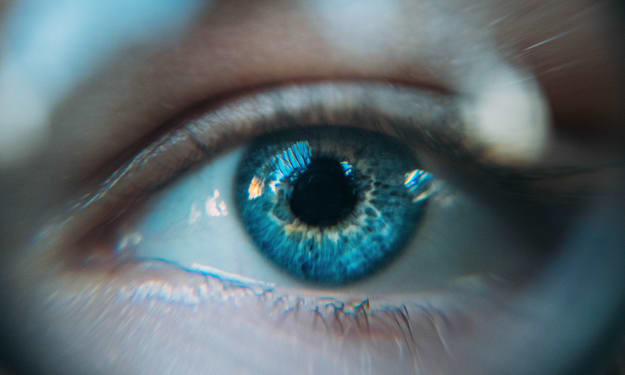
"Windows to the Soul: The Unchanging Gaze—Eyes Throughout a Lifetime".
Introduction: Eyes, often referred to as the windows to the soul, hold a timeless allure and captivate us with their expressive power. One intriguing aspect of these intricate organs is that, despite the ever-changing landscape of our bodies, our eyes remain almost the same size throughout our entire lives. In this exploration, we delve into the fascinating anatomy, physiological adaptations, and the enduring beauty of the eyes that stand as unwavering sentinels of our visual experiences from infancy to old age.
By fatima zahra ajankar2 years ago in Humans
"Skin: The Marvelous Mantle of Protection and Connection".
Introduction: The skin, the body's largest organ, is a remarkable tapestry that envelopes us, serving as both a protective barrier and a canvas of connection with the external world. Beyond its evident role in aesthetics, the skin is a dynamic and multifaceted organ, housing a complex network of cells, tissues, and sensory receptors. In this exploration, we delve into the intricacies of the skin, unraveling its physiological functions, the sensory symphony it orchestrates, and its role as a sentinel guardian in the human body.
By fatima zahra ajankar2 years ago in Humans
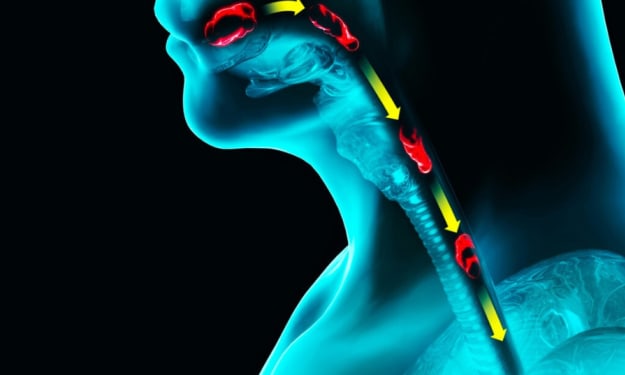
"The Delicate Dance of Breath and Swallow: Exploring the Intricate Balance"
Introduction: Breathing and swallowing, two fundamental processes that sustain life, seem deceptively simple, yet they engage in a delicate dance within the human body. However, one might not realize that the act of breathing and swallowing cannot occur simultaneously. In this exploration, we unravel the intricacies of this physiological phenomenon, delving into the anatomy, neural control, and evolutionary significance of the seamless coordination between respiration and swallowing.
By fatima zahra ajankar2 years ago in Humans
"Beyond the 1%: The Astonishing Unity of the Human Genome"
Introduction: In the vast tapestry of human diversity, there exists an extraordinary thread that binds us together—our shared genetic code. While the visible differences among individuals are apparent and celebrated, the underlying truth is that all humans are more than 99% identical at the genetic level. In this exploration, we embark on a journey through the intricate landscape of the human genome, unraveling the profound unity that transcends superficial distinctions and connects us on a fundamental biological level.
By fatima zahra ajankar2 years ago in Humans
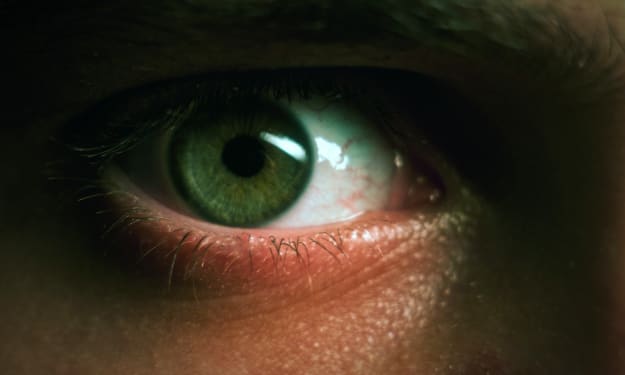
"The Enigmatic Emerald Gaze: Unraveling the Rarity of Green Eyes".
Introduction: The kaleidoscope of human eye colors is a testament to the diversity within our species. Among the myriad shades that captivate and intrigue, green eyes stand out as a rare gem, possessed by only a small fraction of the global population. In this exploration, we delve into the fascinating world of eye pigmentation, the genetic underpinnings of green eyes, and the cultural significance that has shrouded this distinctive ocular hue.
By fatima zahra ajankar2 years ago in Humans