
"Blinking: The Unseen Symphony of 10 Million Moments a Year"
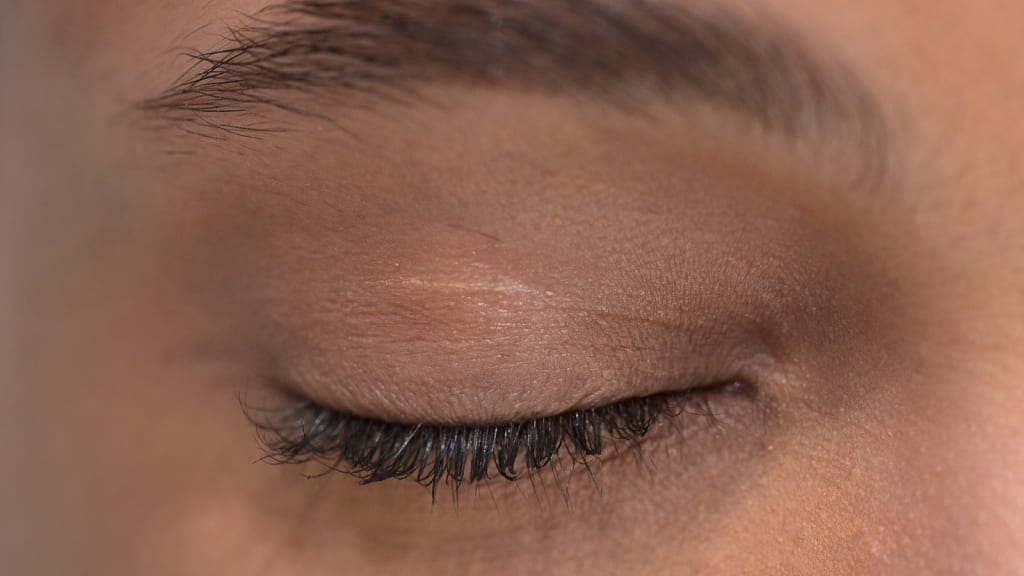
The fact that You tend to blink your eyes about 20 times a minute, which equals 10 million times a year.
Introduction:
In the silent rhythm of our daily lives, there exists a subtle and involuntary act that often goes unnoticed—the blink of an eye. As we navigate the world, our eyes perform an intricate dance, fluttering closed and opening again, about 20 times a minute. This seemingly mundane action, taken for granted, accumulates to a staggering 10 million blinks a year. In this exploration, we delve into the profound significance of blinking, uncovering the intricate biology, the physiological benefits, and the poetic beauty hidden within these fleeting moments.
Chapter 1: The Mechanics of Blinking
Blinking is a complex physiological process that involves the coordination of various muscles and nerves. The act begins with the closure of the upper eyelid, followed by the lower eyelid, creating a protective shield for the delicate cornea and conjunctiva. This swift motion serves to distribute tears, ensuring the ocular surface remains moist and clear. The speed and precision of this seemingly simple action highlight the sophistication of our visual system.
Chapter 2: The Unseen Protector
Beyond its mechanical intricacies, blinking serves as an indispensable protector of our eyes. Each blink sweeps a thin layer of tear film across the cornea, facilitating smooth vision and preventing the eye's surface from drying out. This protective function is vital for maintaining visual acuity, especially in environments with varying humidity levels or prolonged screen use, where the eyes are prone to dryness.
Chapter 3: Blinking and Cognitive Processes
The rhythm of blinking is intimately connected to cognitive processes, reflecting the dynamic interaction between the brain and the visual system. Research suggests that the frequency of blinking can be influenced by attention, concentration, and cognitive load. In moments of deep focus, such as during reading or intense concentration, the rate of blinking tends to decrease. This interplay underscores the intricate relationship between vision and cognition.
Chapter 4: Blinking and Emotional Expression
Blinking extends beyond its physiological functions to become a subtle form of non-verbal communication. The frequency and duration of blinks can convey emotional states, with increased blinking often associated with anxiety or stress. Conversely, a relaxed and comfortable state is often reflected in a steady and moderate blink rate. The eyes, through blinking, become a canvas for the expression of our innermost emotions.
Chapter 5: The Blinking Paradox: Seen and Unseen
Despite occurring numerous times throughout the day, blinking remains largely unnoticed by the conscious mind. The paradox lies in its ubiquity and its ability to escape our awareness. This subtle dance of eyelids, essential for visual clarity and emotional expression, unfolds silently, a testament to the intricacies of the human body's automatic functions.
Chapter 6: The Blinking Poetry of Moments
Blinking, when viewed through a poetic lens, becomes a metaphor for the ephemeral nature of moments in our lives. In the span of a blink, we miss the minute details of a scene, the fleeting expressions on a loved one's face, or the subtle changes in the world around us. The accumulation of these 10 million blinks a year becomes a repository of missed moments, each blink carrying with it the weight of what went unseen.
Chapter 7: The Blinking Meditation
In some traditions, blinking is seen as a form of meditation—a rhythmic and grounding practice that connects us to the present moment. The deliberate act of closing and opening the eyes becomes a metaphorical pause button, allowing us to momentarily detach from the external stimuli and turn our focus inward. In this sense, the unassuming blink becomes a gateway to mindfulness and self-awareness.
Chapter 8: The Blinking Symphony of Sleep
As we surrender to the embrace of sleep, blinking takes on a different cadence. During the various stages of sleep, the blink rate decreases significantly, and our eyes rest from the continuous vigilance of waking hours. This nocturnal reprieve allows the eyes to rejuvenate, and the blinking symphony seamlessly integrates with the intricate dance of dreams.
Chapter 9: The Blinking Challenges of the Digital Age
In the era of digital screens, the rhythm of blinking faces new challenges. Prolonged screen use often leads to reduced blink rates, contributing to the discomfort of dry eyes and eye strain. The conscious effort to blink regularly and take breaks from screens becomes essential in mitigating the impact of modern visual demands on our eyes.
Chapter 10: Embracing the Blinking Moments
In conclusion, the unnoticed symphony of blinking invites us to reflect on the beauty embedded in the ordinary. Those 10 million blinks a year, each a fleeting moment, weave together to form the tapestry of our visual experiences. As we traverse the landscape of our lives, let us pause to appreciate the poetry in each blink, a silent celebration of the seen and the unseen, the mundane and the profound.
Conclusion:
In the tapestry of our daily existence, the act of blinking stands as a constant, an unsung hero in the silent ballet of life. From its intricate mechanics to its
About the Creator
Keep reading
More stories from fatima zahra ajankar and writers in Humans and other communities.
"Unmasking Jack the Ripper: A Century-Old Mystery Shrouded in Shadows"
Introduction: The name "Jack the Ripper" invokes a chilling sense of mystery, terror, and unsolved crime. In the late 19th century, a series of gruesome murders in the Whitechapel district of London shocked the world, leaving an indelible mark on criminal history. The identity of Jack the Ripper remains one of the greatest mysteries of all time, with countless theories, suspects, and speculations surrounding the true identity of this elusive killer. In this article, we delve into the enigmatic world of Jack the Ripper, exploring the crimes, the investigations, and the enduring quest to unmask the infamous murderer.
By fatima zahra ajankar2 years ago in Humans
Whiskey At Dusk
Guess the whiskey was more important to you in the end, wasn’t it? It was more than the well-being of your friends; more vital than showing up to the places you promised you would and could come to; more critical of a matter than fulfilling your damn responsibilities and getting the press off your back.
By Snarky Lisa2 days ago in Humans
How Emotional Intelligence Shapes Leadership Style.
Leadership is not defined solely by authority, expertise, or decision-making. One of the most critical determinants of effective leadership is emotional intelligence—the ability to perceive, understand, manage, and influence emotions, both personally and in others. Emotional intelligence shapes leadership style by guiding interactions, communication, problem-solving, and team management. Leaders with high emotional intelligence create environments of trust, collaboration, and productivity, while those who lack it often face disengagement, conflict, and inefficiency.
By Wilson Igbasiabout 11 hours ago in Humans



Comments
There are no comments for this story
Be the first to respond and start the conversation.