
"Beyond the 1%: The Astonishing Unity of the Human Genome"
The fact that all Humans Are +99% Identical

Introduction:
In the vast tapestry of human diversity, there exists an extraordinary thread that binds us together—our shared genetic code. While the visible differences among individuals are apparent and celebrated, the underlying truth is that all humans are more than 99% identical at the genetic level. In this exploration, we embark on a journey through the intricate landscape of the human genome, unraveling the profound unity that transcends superficial distinctions and connects us on a fundamental biological level.
Chapter 1: The Human Genome Project
The revelation that humans are over 99% identical genetically emerged as a groundbreaking discovery, largely thanks to the Human Genome Project (HGP). Initiated in the 1990s, the HGP aimed to map and sequence the entire human genome, uncovering the blueprint of our shared genetic heritage. The project's completion in 2003 marked a pivotal moment in understanding the commonalities that unite the human species.
Chapter 2: The Building Blocks of Life
At the core of our genetic identity are the building blocks of life—DNA, or deoxyribonucleic acid. DNA is composed of four nucleotide bases: adenine (A), thymine (T), cytosine (C), and guanine (G). The unique sequence of these bases forms genes, which encode the instructions for building and maintaining our bodies. Remarkably, the vast majority of these genetic instructions are shared among all humans.
Chapter 3: The 0.1% That Makes Us Unique
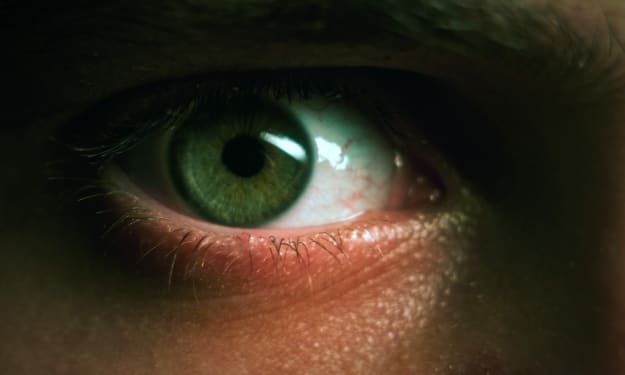
While the shared genetic makeup is staggering, the 0.1% of genetic variation contributes to the incredible diversity observed in the human population. These variations, known as single nucleotide polymorphisms (SNPs), are responsible for the traits that make each person unique—eye color, hair texture, susceptibility to certain diseases, and much more.
Chapter 4: The Impact of Genetic Diversity
The 0.1% genetic diversity has profound implications for the adaptability and resilience of the human species. It has played a crucial role in our ability to thrive in diverse environments, from the icy landscapes of the Arctic to the sweltering heat of the equator. Genetic diversity is a testament to the resilience of the human species, allowing us to adapt to an array of ecological challenges throughout history.
Chapter 5: Genetic Unity Across Races and Ethnicities
The discovery of the 99% genetic similarity challenges long-held notions about race and ethnicity. Despite external differences in skin color, facial features, and hair type, the underlying genetic makeup reveals an astonishing unity. This realization has significant implications for understanding and dismantling prejudiced views based on perceived genetic distinctions.
Chapter 6: The Tree of Genetic Relatedness
Examining the human genome through the lens of relatedness produces a tree of interconnectedness. This tree reflects the branching points in our genetic evolution, showcasing the shared ancestry of all humans. Understanding our genetic relatedness provides a powerful narrative that transcends geographical, cultural, and historical divides.
Chapter 7: Genomic Medicine and Personalized Healthcare
The profound genetic unity among humans has revolutionized the field of genomic medicine. The identification of genetic markers associated with diseases has paved the way for personalized healthcare. By understanding the genetic variations that contribute to individual health profiles, medical treatments can be tailored with unprecedented precision.
Chapter 8: Genetic Ancestry and Genealogy
The availability of genetic testing services has empowered individuals to explore their genetic ancestry and genealogy. By examining specific DNA markers, people can trace their roots and uncover connections to ancestral populations. This newfound ability to map genetic lineages enhances our understanding of the migratory patterns and interconnected history of humanity.
Chapter 9: Ethical Considerations in Genetics
As genetic research advances, ethical considerations become paramount. Questions surrounding genetic privacy, consent, and the potential misuse of genetic information highlight the need for responsible practices in genetic research and testing. Ensuring that genetic data is handled ethically is crucial as we navigate the ever-expanding frontier of genomic exploration.
Chapter 10: Celebrating Our Genetic Unity
In celebrating the over 99% genetic identity shared by all humans, we find a powerful reminder of our interconnectedness. Beyond the surface-level distinctions that often divide us, our genetic unity underscores the fact that we are one species, sharing a common biological heritage. Embracing this knowledge has the potential to foster empathy, tolerance, and a collective sense of responsibility for the well-being of humanity.
Conclusion:
As we gaze into the mirror of our shared genetic code, we witness the awe-inspiring unity that defines us as a species. The discovery that all humans are more than 99% identical genetically serves as a bridge that spans across continents, cultures, and centuries. In this profound unity, we find a source of strength, resilience, and common purpose—a reminder that, beneath the rich tapestry of human diversity, there exists a common thread that binds us together in the intricate dance of life.
About the Creator
Keep reading
More stories from fatima zahra ajankar and writers in Humans and other communities.
"The Enigmatic Emerald Gaze: Unraveling the Rarity of Green Eyes".
Introduction: The kaleidoscope of human eye colors is a testament to the diversity within our species. Among the myriad shades that captivate and intrigue, green eyes stand out as a rare gem, possessed by only a small fraction of the global population. In this exploration, we delve into the fascinating world of eye pigmentation, the genetic underpinnings of green eyes, and the cultural significance that has shrouded this distinctive ocular hue.
By fatima zahra ajankar2 years ago in Humans
Whiskey At Dusk
Guess the whiskey was more important to you in the end, wasn’t it? It was more than the well-being of your friends; more vital than showing up to the places you promised you would and could come to; more critical of a matter than fulfilling your damn responsibilities and getting the press off your back.
By Snarky Lisa2 days ago in Humans


Comments
There are no comments for this story
Be the first to respond and start the conversation.