
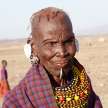

The Yaaku people, one of Kenya's smallest indigenous communities, present a fascinating case study of cultural resilience amidst external pressures. Originating from Cushitic-speaking populations that migrated from the Ethiopian highlands over 4,000 years ago, the Yaaku settled in the dense Mukogodo Forest of central Kenya, where they developed a unique hunter-gatherer society deeply connected to their natural environment. Their traditional way of life revolved around sustainable practices such as wild honey harvesting, selective hunting, and the gathering of forest products, all of which reflected their profound understanding of ecosystem management. The forest was not merely a resource but a sacred space, with spiritual rituals honoring ancestral spirits and nature deities. This harmonious existence, however, would face unprecedented challenges with the arrival of neighboring communities, particularly the Maasai, leading to profound transformations in Yaaku society.
The interaction between the Yaaku and the Maasai marked a pivotal turning point in their history. Initially, their relationship was based on trade, with the Yaaku exchanging honey and hides for Maasai livestock. Over time, however, this economic exchange gave way to deeper social integration, particularly through intermarriage. Yaaku women often married Maasai men, a practice driven by the socioeconomic advantages of aligning with the more dominant pastoralist community. This intermarriage accelerated cultural assimilation, as children of these unions were raised speaking the Maasai language, Maa, rather than Yaaku. The gradual erosion of their native tongue was compounded by the prestige associated with Maasai identity, leading many Yaaku to abandon their indigenous customs in favor of Maasai traditions. By the 20th century, the Yaaku language was on the brink of extinction, with only a handful of elderly speakers remaining. Yet, despite this assimilation, traces of Yaaku identity persisted in subtle ways, such as the preservation of forest rituals and the clandestine use of Yaaku words within families.
The Yaaku's relationship with their land further illustrates their adaptability and the challenges they faced. The Mukogodo Forest provided everything they needed—food, medicine, and materials for shelter—and their resource use was carefully regulated to prevent overexploitation. Sacred groves were protected, and hunting was conducted seasonally to ensure wildlife populations remained stable. However, colonial and post-independence policies disrupted this balance. The British administration imposed land restrictions, forcing the Yaaku to abandon their nomadic lifestyle and adopt farming. Later, government-designated forest reserves and encroachment by Maasai pastoralists further marginalized the community, stripping them of their ancestral lands. Today, the Yaaku struggle to reclaim their cultural and territorial rights, with activists working to revive their language and traditions. Efforts include teaching Yaaku vocabulary in local schools, documenting oral histories, and promoting eco-tourism centered on traditional beekeeping. These initiatives represent a hopeful push against cultural erasure, yet the Yaaku's future remains uncertain.
In conclusion, the story of the Yaaku is a testament to the resilience of indigenous cultures in the face of overwhelming external pressures. Their history reveals the complex dynamics of intermarriage, assimilation, and environmental adaptation, highlighting both the fragility and endurance of cultural identity. While the Yaaku have largely been absorbed into Maasai society, their legacy lives on in the efforts of modern descendants to reclaim and preserve their heritage. Their experience serves as a poignant reminder of the importance of safeguarding indigenous knowledge and land rights in an increasingly globalized world. The Yaaku's journey—from a self-sufficient forest-dwelling community to a marginalized group fighting for recognition—underscores the urgent need for policies that protect cultural diversity and empower indigenous voices. Their survival, both culturally and environmentally, depends on it.
About the Creator
Kyle Ann
Yaaku feminist merging academia & activism to protect Indigenous identity & empower women. Voice for vanishing cultures
Dracula: The Real Man Behind the Legend and His War Against the Ottoman Empire
When most people hear the name Dracula, they imagine a mysterious vampire who drinks human blood and lives in a dark castle. This terrifying character became famous through Bram Stoker’s 1897 novel Dracula. However, the fictional vampire was actually inspired by a real historical figure: Vlad III of Wallachia, better known as Vlad the Impaler. His life was filled with war, brutality, and political struggle, especially against the powerful Ottoman Empire.
By Irshad Abbasi a day ago in History



Comments
There are no comments for this story
Be the first to respond and start the conversation.