
When the Gods Turned Away: Collapse and Curse in the Ancient Near East
How ancient people made sense of disaster—and how their kings took the blame.
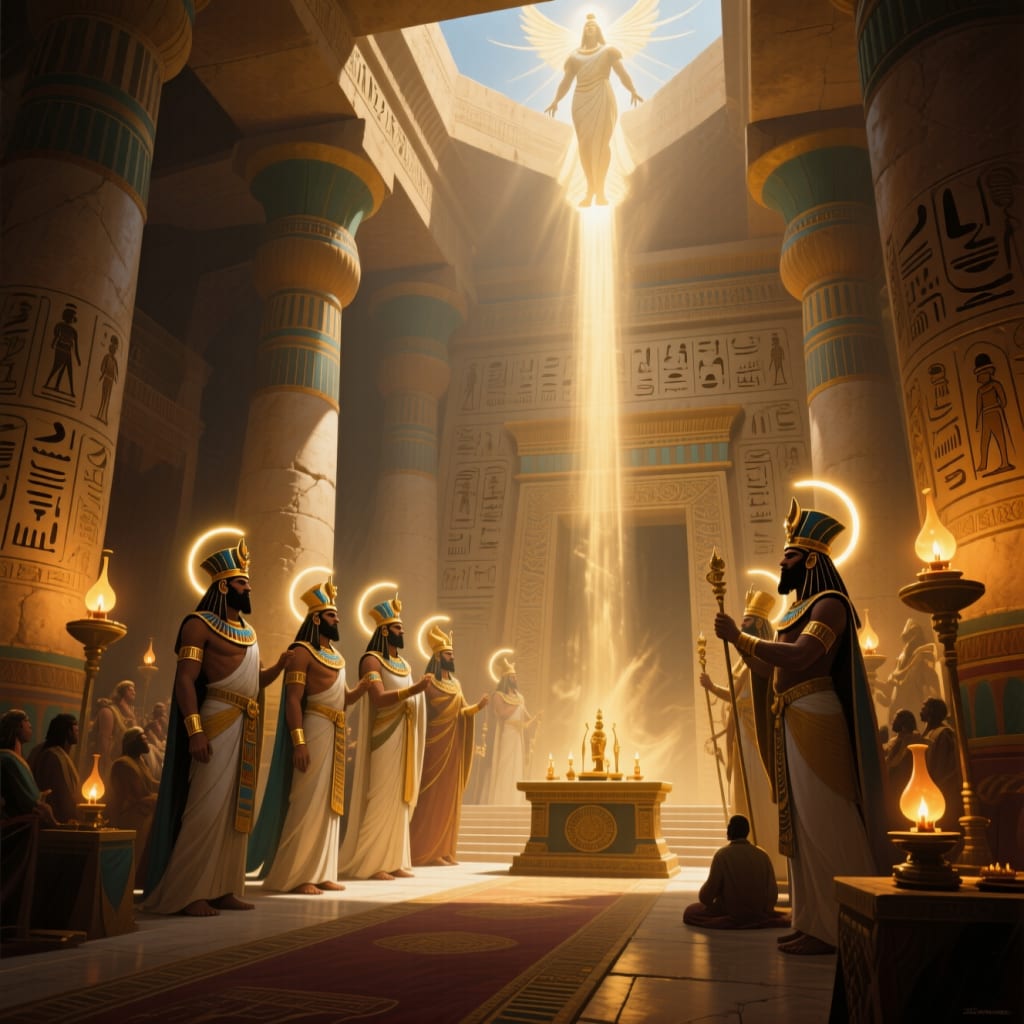
In the Ancient Near East, catastrophe was never random. When cities fell, rivers dried, or empires burned, the cause wasn’t natural—it was divine. The gods had turned their backs.
Today, historians use climate data, economic patterns, and archaeological layers to explain ancient collapse. But the people who lived through these dark times understood them through another lens entirely—theology. Collapse was cosmic. Disasters were warnings. And if the gods were angry, someone was to blame.
The Curse Formula: Blaming the King, Cursing the City
Scribes across Mesopotamia, especially in Sumer, wrote what we now call “curse formulas”—texts that blamed citywide destruction on royal impiety. These weren’t idle laments. They were political theology. If a king failed in his divine duties—neglecting temples, corrupting justice, defiling rituals—the gods would abandon the city.
The famous “Lament for Ur” mourns the fall of that once-great city (ca. 2000 BCE), blaming its destruction on divine withdrawal:
“The storm was the flood of heaven, the wrath of Enlil… The people groaned, the city moaned, Ur was destroyed.”
These laments often sound personal, but they were deeply political. They explained the past, justified new regimes, and warned future rulers: do not fail the gods.
When Famine Spoke Louder Than Prophecy
Droughts and crop failures were common across Mesopotamia, particularly during periods of regional instability like the 4.2 kiloyear event (around 2200 BCE). But instead of natural disaster, people saw divine punishment.
If the barley failed or locusts devoured the fields, priests might declare that a sin had gone unpunished—or worse, that the king had broken his sacred pact with the gods. In response, rituals of atonement would be carried out, and sometimes even royal figures would step aside, replaced by temporary “substitute kings” to absorb the gods’ wrath.
Omens of Ruin: The Science of Doom
The Ancient Near East had no shortage of professional diviners. These men interpreted omens—from the shape of livers to the movement of stars—to detect disaster before it struck. Entire libraries in Assyria and Babylon were filled with omen texts predicting ruin:
- If a city gate falls—rebellion is coming.
- If the moon is red—famine will strike.
- If a snake crosses the king’s path—beware treachery.
When a bad omen appeared, kings would scramble to appease the gods: temple donations, massive sacrifices, or public rituals of repentance. But if the gods had truly turned away, no omen could save them.
The Fall of Akkad: Divine Retribution or Drought?
The legendary Fall of Akkad (ca. 2154 BCE) has fascinated scholars for centuries. Sargon’s empire had stretched across the Near East—but within a few generations, it had collapsed entirely.
A later text, The Curse of Akkad, blames the fall not on overreach or famine, but on Naram-Sin’s blasphemy. According to the tale, Naram-Sin desecrated Enlil’s temple, and in response, the gods unleashed war and hunger:
“Enlil opened the gates of hell, and the seven evil winds swept over Akkad.”
Modern historians see signs of climate change and nomadic invasion—but to the people of Mesopotamia, this was justice. When empires fall, the gods write the epitaph.
Babylon’s Many Falls: Each Collapse, a New Interpretation
Babylon fell many times—conquered by the Hittites, ravaged by Assyrians, humbled by the Persians. Each time, new rulers rewrote the past, framing the previous kings as impious or cursed.
When Cyrus the Great took Babylon in 539 BCE, he didn’t just defeat Nabonidus militarily—he defeated him theologically. Cyrus’s propaganda claimed Marduk had abandoned Nabonidus due to his pride and temple negligence, and instead chosen Cyrus to restore order.
This is the ancient art of theological coup d’état: If the gods leave the throne, someone new will sit on it.
Collapse as Renewal: Not the End, but a Beginning
What’s most fascinating about Ancient Near Eastern collapse is that it often sparked new ideologies, not just ruins. Each fall was followed by a justification—and a rebirth.
Out of the fall of Ur came the Ur III dynasty, stronger and more bureaucratic. After the collapse of Akkad came the rise of Babylon. When Assyria fell, Neo-Babylonian culture flowered. And each of these rebirths claimed to restore the “true will of the gods.”
Collapse wasn’t the end. It was cosmic correction—a divine reset.
Conclusion:
In the modern world, collapse is often seen through cold analytics—graphs, temperatures, economies. But in the Ancient Near East, collapse was a message. It meant someone had strayed from the divine path. It meant the gods were watching—and judging.
For us, these ancient laments and curses remind us that even thousands of years ago, people sought meaning in disaster. They asked not just “what happened?”—but why?
And that search for meaning is something we’ve never really outgrown.
Author’s Note:
Next time, we’ll turn from death to rebirth—exploring the myths of creation from Mesopotamia’s oldest temples. Stay tuned for: “When the Earth Was New: Creation Myths from the Cradle of Civilization.”
About the Creator
Keep reading
More stories from Yand Bullosy and writers in History and other communities.
Mystery of the Egyptian Pyramids: Has the Most Complex Puzzle Finally Been Solved?
For centuries, the construction of the great pyramids of Egypt has been one of the world’s most fascinating historical mysteries. Towering above the desert sands near the ancient city of Giza, these monumental structures have puzzled historians, engineers, and archaeologists alike. How could a civilization that existed more than 4,500 years ago build such massive and precisely aligned structures without modern machinery?
By Irshad Abbasi 6 days ago in History


Comments (1)
Nice article