
What was the impact of the Harlem Renaissance?
The Story of the Harlem Renaissance: How a Cultural Explosion Redefined America

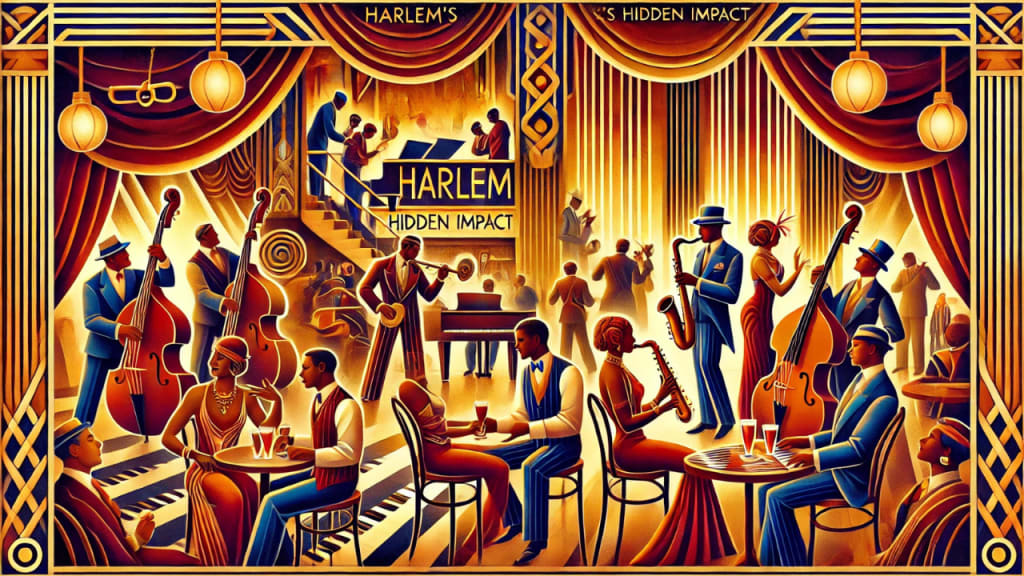
When you hear the words "Harlem Renaissance," you might imagine a jazz band swinging in a smoky club or a poet furiously scribbling verses that would inspire generations. And you wouldn’t be wrong! The Harlem Renaissance was all that and a whole lot more—a cultural earthquake that shook America in the early 20th century. So, grab your flapper dress or your fedora, and let’s dive into the story of this remarkable era.
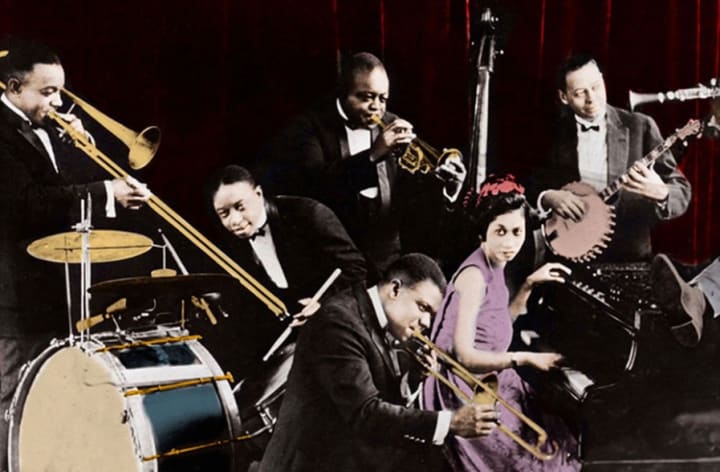
Setting the Scene: Why Harlem? Why Then?
It’s the 1920s, the roaring decade where prohibition was in full swing, but so was everyone’s party spirit. African Americans, fleeing the oppressive Jim Crow laws of the South, found themselves in cities like New York, Chicago, and Detroit. Harlem, a neighborhood in Manhattan, quickly became the epicenter of this migration—a cultural melting pot ready to boil over with talent and creativity.
Why Harlem? Well, let’s just say the neighborhood had a real estate market that went belly-up, making it affordable for Black families to settle there. Couple that with the Great Migration and the end of World War I, and you had a recipe for a cultural explosion. Harlem wasn’t just a neighborhood; it was a canvas, and its residents were the artists ready to paint history.
Key Players: The Movers, Shakers, and Creators
What’s a movement without its stars? The Harlem Renaissance boasted an all-star cast of writers, musicians, and artists who turned Harlem into a cultural capital.
- Langston Hughes: The poet laureate of the Harlem Renaissance, Hughes wrote verses that could make you laugh, cry, and snap your fingers all at once. His works like "The Weary Blues" captured the struggles and triumphs of Black life with a rhythm that could only come from Harlem.
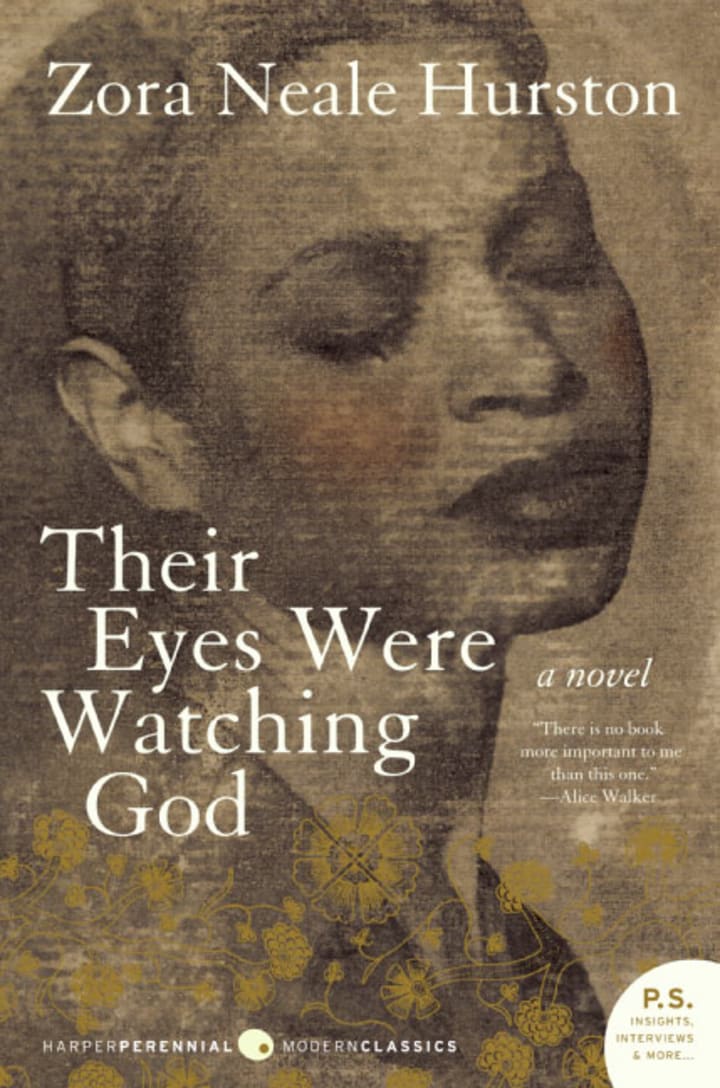
- Zora Neale Hurston: If Langston was the heart, Zora was the soul. Her novel Their Eyes Were Watching God remains a masterpiece, blending folklore with a fierce feminist voice.
- Duke Ellington: Ah, the Duke! His jazz tunes turned the Cotton Club into a hub of innovation. If you’ve ever tapped your foot to a jazz beat, you’ve got Duke to thank.
- Aaron Douglas: Known as the "Father of Black American Art," Douglas’s striking visuals told stories of African heritage and contemporary Black life, cementing his place in art history.
The Art, Music, and Literature That Defined an Era
The Harlem Renaissance wasn’t just about creating art; it was about creating a new identity. Jazz, with its improvisational flair, became the soundtrack of the era. Clubs like the Apollo Theater and the Cotton Club were ground zero for legendary performances. Louis Armstrong, Bessie Smith, and Ella Fitzgerald weren’t just musicians—they were revolutionaries.
In literature, writers explored themes of racial identity, social justice, and cultural pride. Magazines like The Crisis and Opportunity published works that challenged stereotypes and celebrated Black excellence.
Visual artists like Augusta Savage and Jacob Lawrence brought African-American experiences to life through sculpture and painting. Their work wasn’t just art; it was activism, a declaration that Black stories deserved to be told.
The Harlem Renaissance
Impact and Legacy: Why It Still Matters
So, what did the Harlem Renaissance achieve? For starters, it put African-American culture on the map. It showed the world that Black voices had something powerful to say and that their stories were worth listening to. It also laid the groundwork for the Civil Rights Movement, inspiring generations to fight for equality.
But perhaps the most significant impact was the sense of pride it instilled in African Americans. The Harlem Renaissance said,
"We are here, we are talented, and we will not be ignored."
The Curtain Closes, but the Show Goes On
By the mid-1930s, the Great Depression took the wind out of Harlem’s sails, and the Renaissance began to fade. But its legacy? That’s forever. From the civil rights anthems of the 1960s to the hip-hop beats of today, the Harlem Renaissance’s influence is everywhere.
So, the next time you find yourself humming a jazz tune or reading a poem that makes your soul sing, tip your hat to Harlem. Because this was more than a neighborhood; it was a revolution—a story worth telling and retelling.
And who knows? Maybe one day, we’ll all be lucky enough to live through another Renaissance. Until then, let’s keep celebrating the art, music, and stories that make life a little more colorful.
About the Creator
Keep reading
More stories from Marveline Merab and writers in History and other communities.
The Untold Story of the 6888th Central Postal Directory Battalion
In the chaos of World War II, letters were more than just paper and ink—they were lifelines. A letter from home could boost morale, heal hearts, and remind soldiers why they were fighting. But by 1945, a massive backlog of undelivered mail—over 17 million pieces—threatened to sever that vital connection. That's when the 6888th Central Postal Directory Battalion, a group of African American women, stepped in and their mission was clear: sort the mess, deliver hope, and prove that nothing, not even systemic racism, could stand in their way.
By Marveline Merababout a year ago in History



Comments
There are no comments for this story
Be the first to respond and start the conversation.