
Was Jesus Christ a Muslim?
What is His Relationship With Muslims?


Did Jesus Christ practice Islam? What is His Relationship With Muslims?
Both Christianity and Islam hold a deep reverence for the figure of Jesus Christ, though their understandings of him differ significantly. For Christians, Jesus is the Son of God, the second person of the Trinity, and the Savior of the world through His death and resurrection. For Muslims, Jesus—known as Isa in Arabic—is one of the greatest prophets, born of the Virgin Mary, who preached the message of monotheism and submission to the one true God, Allah.
This leads to the question: Was Jesus a Muslim? From an Islamic perspective, the answer is yes, but this requires some explanation of what the word “Muslim” means and how Islam views previous prophets.
The Meaning of “Muslim”
In Arabic, the word “Muslim” means “one who submits to God.” It comes from the root word Islam, which means “submission.” Therefore, anyone who submits completely to the will of God and lives according to His guidance is, in the general sense, a Muslim.

Islam teaches that all prophets sent by God—starting from Adam, through Noah, Abraham, Moses, and including Jesus—were Muslims in this broader sense. They were not Muslims in the sense of following the religion as it is practiced today, which was completed and formalized through the Prophet Muhammad (peace be upon him), but they were all submitters to the will of the same one God.
Therefore, Jesus was a Muslim from an Islamic perspective because he submitted to God, complied with His commands, and taught others to do the same. Jesus in the Quran
The Quran speaks highly of Jesus in many places. He is called the Messiah, the Word of God, and a Spirit from God (Quran 4:171). His miraculous virgin birth is described in detail in chapters like Surah Maryam (Chapter 19), where Mary is honored among women for her piety and obedience. Jesus spoke from the cradle, healed the blind and the leper, and even raised the dead—by God's permission.

The Quran says:
Indeed, Jesus's example to Allah is comparable to Adam's. He created him from dust; then He said to him, 'Be,' and he was." (Quran 3:59)
Jesus, like Adam, was created at God's command and is not divine. This is emphasized in this verse. Islam strongly emphasizes monotheism (tawheed) and rejects any notion of Jesus being God or the son of God. Instead, he is regarded as a noble and powerful prophet.
Jesus’ Mission According to Islam
Muslims believe that Jesus was sent to guide the Children of Israel back to the true path of God. He brought a revelation known as the Injeel (Gospel), just as Moses brought the Torah and Muhammad brought the Quran. However, Muslims believe that the original message of Jesus was later altered or misinterpreted over time.
According to Islam, Jesus never claimed to be God. Instead, he called people to worship the One who sent him:
"Indeed, Allah is my Lord and your Lord, so worship Him. That is the straight path." (Quran 19:36)
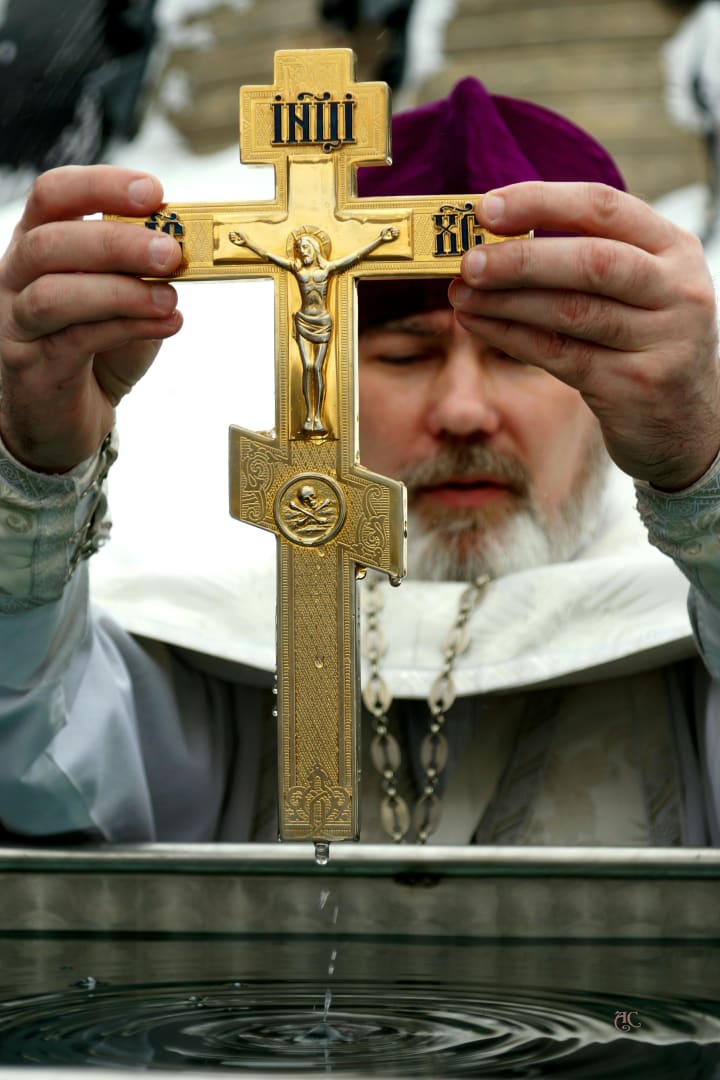
This verse is seen as central to his message and shows the core link between Jesus and Muslims: the call to monotheism.
The Return of Jesus in Islam
One of the most unique aspects of Islam’s view of Jesus is the belief that he was not crucified but instead was raised up by God. Muslims believe that Jesus was not killed nor crucified but that it appeared so to the people. He was taken up to heaven and will return before the Day of Judgment.
When he returns, he will defeat the false messiah (Al-Masih ad-Dajjal), break the cross, and restore true monotheistic worship. He will live on earth, marry, have children, and eventually die. His return is seen as a sign of the end times.
This belief strengthens the connection between Muslims and Jesus because it shows that he still has a major role in Islamic eschatology and that he will be part of God's final plan for humanity.
Jesus and Muslims Today
Jesus is a figure of great reverence and love for Muslims. While they do not worship him, they honor him as one of the greatest prophets. Muslims often name their sons Isa, and his mother Mary (Maryam) is the only woman mentioned by name in the Quran—an entire chapter is named after her.
The relationship between Jesus and Muslims is not just theological but emotional. His life is seen as a model of purity, humility, and obedience to God. Muslims are encouraged to believe in all prophets equally, and rejecting any one of them is considered disbelief.
"The Messenger has believed in what was revealed to him from his Lord, and [so have] the believers. All of them have believed in Allah and His angels and His books and His messengers, [saying], 'We make no distinction between any of His messengers.'" (Quran 2:285)
Conclusion
So, was Jesus a Muslim? According to Islamic belief, yes—he was a prophet who submitted to the will of God, just like all prophets before him. While Christians and Muslims differ in their understanding of Jesus’ nature and mission, both faiths hold him in the highest regard.
For Muslims, Jesus is not only a beloved prophet but a crucial figure in the story of humanity’s relationship with God. His life, message, and eventual return are reminders of God's mercy, justice, and the unity of all true faiths in submitting to the One Creator.
About the Creator
Dr Sazidul
.Follow and subscribe me for the latest news and voice of the world.Thank you for visiting my profile.I am also provide the latest sports update.
Keep reading
More stories from Dr Sazidul and writers in History and other communities.
Miracles of Jesus Christ
Miracles of Jesus Christ The central figure in Christianity, Jesus Christ, is well-known not only for the teachings and sacrifices that He made but also for the numerous miracles that He worked during His time on earth. These miracles, recorded in the New Testament, serve as signs of His divine authority and compassion. They include healings, control over nature, exorcisms, provision of food, and even the raising of the dead. Each miracle carried a deeper meaning, often symbolizing spiritual truths, and drawing people closer to faith in God.
By Dr Sazidul 10 months ago in History
Dracula: The Real Man Behind the Legend and His War Against the Ottoman Empire
When most people hear the name Dracula, they imagine a mysterious vampire who drinks human blood and lives in a dark castle. This terrifying character became famous through Bram Stoker’s 1897 novel Dracula. However, the fictional vampire was actually inspired by a real historical figure: Vlad III of Wallachia, better known as Vlad the Impaler. His life was filled with war, brutality, and political struggle, especially against the powerful Ottoman Empire.
By Irshad Abbasi a day ago in History




Comments
There are no comments for this story
Be the first to respond and start the conversation.