
Unveiling the Mysteries of the Nazca Lines in Peru
Unveiling the Mysteries of the Nazca Lines in Peru

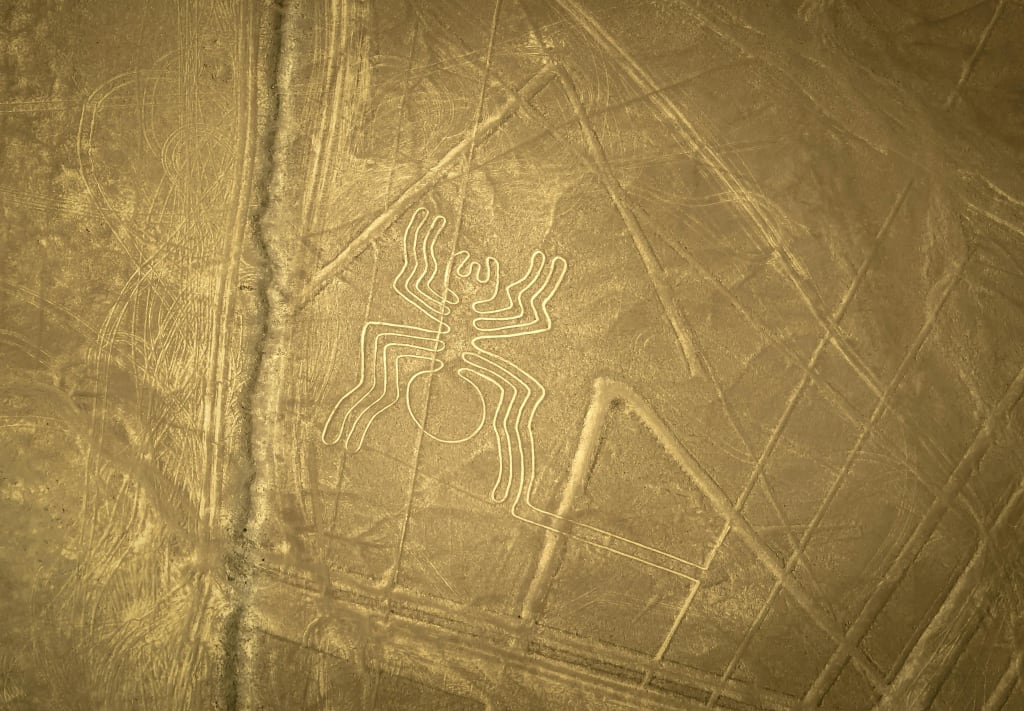
The Nazca Lines, a UNESCO World Heritage Site, remain one of the most intriguing archaeological enigmas in the world. Etched into the arid desert plains of southern Peru, these vast geoglyphs span across 80 kilometers of desert floor. Despite extensive research, the purpose and origins of the lines continue to puzzle experts, captivating historians, scientists, and curious travelers alike.
In this article, we explore the origins, purpose, and theories surrounding the Nazca Lines, shedding light on the mysteries that have surrounded them for centuries.
What Are the Nazca Lines?
The Nazca Lines are a series of massive geoglyphs that were created by removing the reddish-brown topsoil to reveal the lighter ground beneath. These lines form intricate shapes ranging from simple geometric patterns to complex figures of animals, plants, and even humanoid shapes.
Some of the most famous designs include:
- The Hummingbird
- The Monkey
- The Spider
- The Condor
- The Astronaut
The largest figures stretch up to 370 meters in length, and their scale is best appreciated from the air, which adds to their mystery. How could the ancient Nazca people, who lived between 500 BCE and 500 CE, create such precise designs without aerial technology?
Discovery and Research
Although the Nazca Lines were known to local communities, they were first brought to global attention in the 1920s and 1930s when commercial aircraft pilots spotted them. Subsequent studies by archaeologists, including the work of German mathematician Maria Reiche, brought deeper insights into the geoglyphs. Reiche dedicated her life to studying the lines, proposing that they served as an astronomical calendar or a ceremonial site.
Technological advancements have enabled researchers to map the lines more comprehensively, revealing over 800 straight lines, 300 geometric figures, and 70 biomorphic designs. Despite this, their exact purpose remains speculative.
Theories Behind the Nazca Lines
1. Astronomical Alignments
One of the most popular theories is that the Nazca Lines had an astronomical function. Some researchers suggest the geoglyphs align with celestial events, such as solstices and equinoxes, serving as an ancient observatory. However, critics argue that not all lines align with significant celestial phenomena, casting doubt on this theory.
2. Ritualistic Purposes
Another widely accepted theory is that the lines were part of religious or ceremonial practices. The Nazca people may have created the geoglyphs to communicate with their gods, particularly those associated with water and fertility. The arid climate of the region suggests that rituals related to rain and agriculture were of paramount importance.
3. Pathways or Pilgrimage Routes
Some archaeologists propose that the lines served as pathways for ceremonial processions. The intricate patterns might have guided pilgrims or marked sacred sites where rituals took place.
4. Extraterrestrial Connection
Perhaps the most sensational theory is that the Nazca Lines were created with the assistance of extraterrestrial beings or served as landing strips for alien spacecraft. This idea, popularized by authors like Erich von Däniken, lacks scientific evidence but has fueled the imaginations of UFO enthusiasts worldwide.
5. Artistic Expression
Another perspective views the lines as a form of artistic expression by the Nazca culture. These geoglyphs might have been created to showcase their artistic and engineering skills, reflecting their connection to the land and the cosmos.
How Were the Nazca Lines Made?
Creating the Nazca Lines required a profound understanding of geometry and meticulous planning. The process involved removing the dark surface stones to expose the lighter soil underneath. To preserve the designs, the creators took advantage of the region’s dry climate, which minimized erosion.
Researchers believe the Nazca used simple tools, including wooden stakes and ropes, to achieve precise measurements. Recent studies have uncovered wooden posts at some geoglyph sites, supporting this theory.
Preservation Challenges
The Nazca Lines face significant threats from human activity and climate change. Unauthorized encroachments, mining operations, and even careless tourism have caused damage to some of the geoglyphs. In 2014, the lines made headlines when a Greenpeace protest caused harm to the site.
Peruvian authorities and international organizations are working to preserve the lines through stricter regulations and advanced monitoring techniques, ensuring this cultural treasure endures for future generations.
Visiting the Nazca Lines
How to Get There
The Nazca Lines are located in the Nazca Desert, about 400 kilometers south of Lima, Peru. Visitors can reach the site by car or bus, but the best way to appreciate their grandeur is by air. Numerous companies offer aerial tours, providing a bird’s-eye view of the geoglyphs.
Ground-Level Experiences
While flying offers the best perspective, there are observation towers and viewpoints for those who prefer to stay grounded. The Maria Reiche Observatory, for example, provides a closer look at some of the lines and offers educational insights into their history.
Cultural Significance
A visit to the Nazca Lines isn’t just about marveling at their scale and complexity. It’s also an opportunity to connect with the rich heritage of the Nazca people and their remarkable achievements in art, engineering, and spirituality.
Why the Nazca Lines Continue to Fascinate
The enduring mystery of the Nazca Lines lies in their ability to inspire wonder and curiosity. Their scale, precision, and cultural significance remind us of the ingenuity of ancient civilizations. Despite decades of study, questions about their purpose and meaning remain unanswered, keeping the lines at the forefront of archaeological intrigue.
Conclusion
The Nazca Lines are more than just drawings in the sand; they are a testament to the creativity, ambition, and spirituality of the Nazca civilization. Whether they served as celestial guides, ritualistic pathways, or messages to the gods, the lines continue to spark fascination and debate.
For travelers and historians alike, the Nazca Lines offer a chance to glimpse into a world long past, where the lines between art, science, and spirituality were intricately woven into the fabric of life.
About the Creator
Keep reading
More stories from mariam elghazaly and writers in History and other communities.
The Horror Corridor: Exploring the Way of Whale Bones in Serbia
In the heart of Europe, nestled in Serbia's rugged landscape, lies a hauntingly beautiful location known as the Way of Whale Bones. This eerie corridor, shrouded in legends and mystery, has captivated adventurers and thrill-seekers for decades. With its surreal atmosphere and macabre history, it has become a must-visit destination for horror enthusiasts and lovers of the unusual.
By mariam elghazalyabout a year ago in History
The ancestors of modern Danes arrived in America over 1,000 years ago
U.S. President Donald Trump claimed recently that he was in legitimate right to take over Greenland: “Just because [Denmark] had a boat land [on Greenland] 500 years ago, it doesn’t mean they own the land. [..] I’m sure we had lots of boats go there also.”
By Aurel Stratan6 days ago in History
Is the U.S. Preparing to Attack Iran?
Is the U.S. Preparing to Attack Iran? Inside the Rising Tensions and Possible Military Pathways In early 2026, tensions between the United States and Iran reached one of their highest points in years. For weeks, dramatic political rhetoric, shifting military postures, and warnings from leaders around the world have fueled alarms that a U.S. military strike against Iran may be imminent. Yet as of now, no confirmed attack has occurred, and the situation reflects a complex mix of pressure, preparation, de-escalation, and diplomatic uncertainty that illustrates how modern conflict can hinge just as much on words and positioning as on direct action.
By Wings of Time 3 days ago in History


Comments
There are no comments for this story
Be the first to respond and start the conversation.