
Understanding ASEAN
A Simple Guide to Southeast Asia’s Regional Group

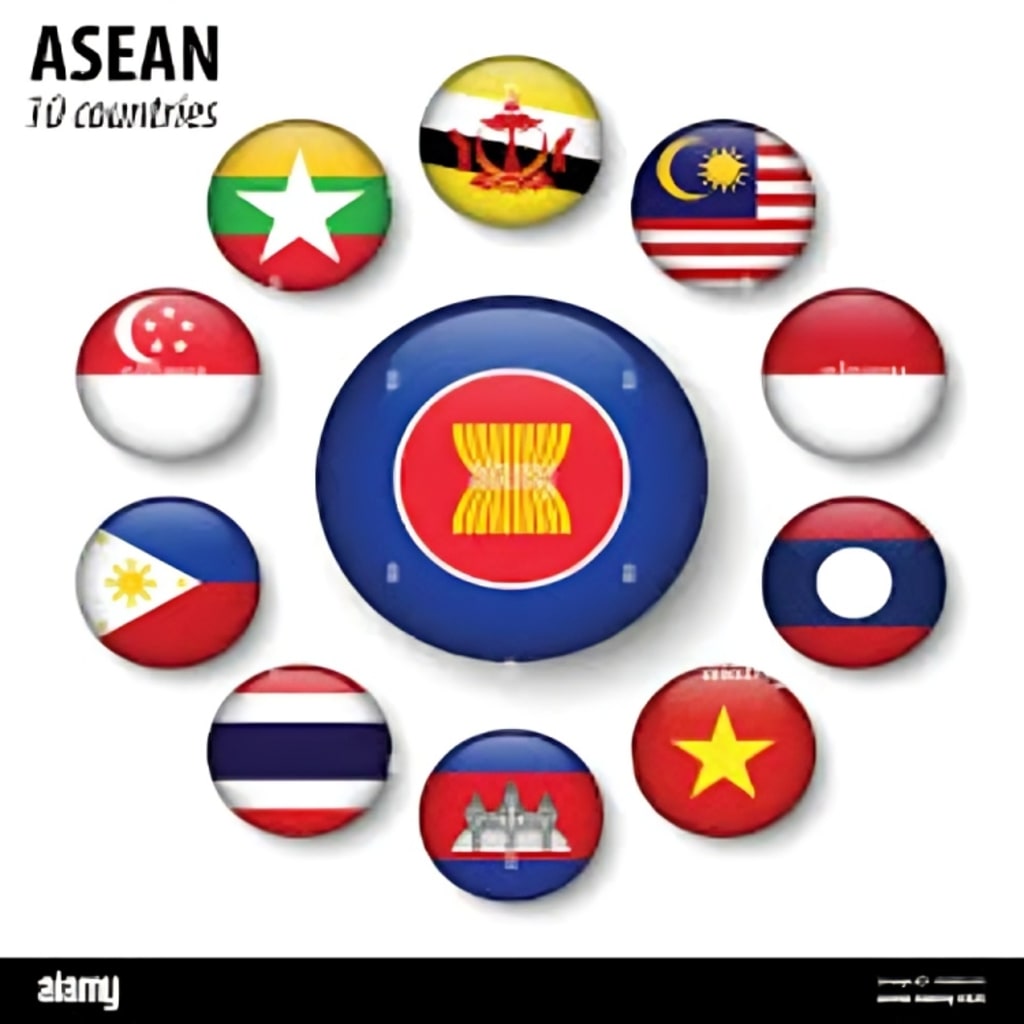
The Association of Southeast Asian Nations (ASEAN) is an important organization that brings together countries in Southeast Asia to work on common goals. Established in 1967, ASEAN aims to promote peace, stability, and economic growth in the region. This article explains what ASEAN is, its goals, its members, and why it matters—all in simple and easy-to-understand language.
What Is ASEAN?
ASEAN is a regional organization made up of ten countries in Southeast Asia. These countries cooperate to improve their economies, ensure peace, and work on common challenges. By working together, ASEAN members aim to make their region stronger and more competitive in the world.
When and Why Was ASEAN Created?
ASEAN was founded on August 8, 1967, in Bangkok, Thailand, by five countries: Indonesia, Malaysia, the Philippines, Singapore, and Thailand. These founding members signed the ASEAN Declaration (also known as the Bangkok Declaration) to create a platform for regional cooperation.
The main reasons for creating ASEAN were:
Promoting Peace: To reduce tensions in the region during the Cold War.
Encouraging Economic Growth: To improve trade and investment among member countries.
Strengthening Cooperation: To work together on common issues like education, health, and disaster management.
ASEAN Member Countries
ASEAN started with five countries, but it has since grown to include ten members:
Indonesia
Malaysia
Philippines
Singapore
Thailand
Brunei (joined in 1984)
Vietnam (joined in 1995)
Laos (joined in 1997)
Myanmar (joined in 1997)
Cambodia (joined in 1999)
These countries vary in size, culture, and economy, but they share a commitment to working together for a better future.
What Are ASEAN’s Goals?
ASEAN’s goals are outlined in the ASEAN Charter, which acts as the organization’s guiding document. The key goals are:
Promote Regional Peace and Security:
ASEAN encourages dialogue and cooperation to avoid conflicts between its members.
Boost Economic Growth:
The organization focuses on creating a single market where goods, services, and investments can flow freely between member countries.
Improve Quality of Life:
ASEAN works on improving education, healthcare, and infrastructure to raise the standard of living for its people.
Address Regional Challenges:
Issues like climate change, disaster management, and pandemics require collective action, and ASEAN helps its members tackle these problems together.
How Does ASEAN Work?
ASEAN operates through regular meetings and summits attended by leaders, ministers, and officials from member countries. These gatherings are used to discuss important issues and make decisions. Some of the key bodies in ASEAN include:
ASEAN Summit: A meeting of the leaders of all member countries, held twice a year.
ASEAN Secretariat: Located in Jakarta, Indonesia, this office manages the day-to-day work of the organization.
ASEAN Free Trade Area (AFTA): A framework that reduces tariffs and trade barriers between member countries.
Why Is ASEAN Important?
ASEAN plays a vital role in the Southeast Asian region and beyond. Here’s why it matters:
Economic Powerhouse:
Together, ASEAN countries form one of the largest economies in the world. The region attracts significant investment from global companies and is a hub for manufacturing, agriculture, and tourism.
Geopolitical Stability:
ASEAN promotes peace and prevents conflicts by encouraging dialogue between its members and other countries.
Cultural Diversity:
The organization celebrates the rich cultures of its members through programs that promote tourism, education, and arts.
Global Influence:
ASEAN collaborates with other major powers, such as China, the United States, Japan, and the European Union, through partnerships and agreements.
Challenges Facing ASEAN
While ASEAN has achieved a lot, it still faces challenges, including:
Economic Gaps: The economic development of member countries varies widely, creating inequality within the region.
Human Rights Issues: Some member countries face criticism for their handling of human rights.
Environmental Concerns: Deforestation, pollution, and climate change are pressing issues in the region.
To address these challenges, ASEAN continues to evolve and strengthen its policies.
Conclusion
ASEAN is more than just an organization; it is a symbol of unity and cooperation among Southeast Asian countries. By working together, member countries can achieve goals that would be difficult to reach individually. ASEAN has made significant progress in areas like economic development, peacebuilding, and cultural exchange, but it must also tackle ongoing challenges to remain relevant.
Understanding ASEAN helps us appreciate the power of regional cooperation and how it shapes the future of Southeast Asia and the world.
About the Creator
Farhan Sayed
Hi, I’m Farhan Sayed 🌹! I’m here to share stories, thoughts, and maybe sprinkle a little magic along the way. ✨
💡 Passion for:
Exploring new ideas 🧠
Writing from the heart ❤️
Inspiring and connecting with amazing souls like you 🌍
Keep reading
More stories from Farhan Sayed and writers in History and other communities.
Understanding Auto Fires
Auto fires, or car fires, are dangerous incidents that can happen unexpectedly. Every year, thousands of vehicles catch fire, causing property damage, injuries, and even loss of life. Understanding what causes auto fires and how to prevent them is important for every driver. This article explains the common causes of auto fires, ways to prevent them, and what to do if your vehicle catches fire.
By Farhan Sayedabout a year ago in History
Rising Tensions in the Middle East: Is the World Heading Toward World War 3? Part 1
With growing tensions in the Middle East and after Iran’s attack on Israel, many people are seeing this issue moving toward a full-fledged war. A large section of people also believes that if this war starts, it could quickly escalate into World War 3. But is that really going to happen?
By Imran Ali Shaha day ago in History
A Knight of the Seven Kingdoms Series Review (Season 1)
As one of the biggest properties in fantasy, A Song of Ice and Fire remains immensely popular with audiences. After reaching far into the past with House of the Dragon, a second spin-off was on the cards. A Knight of the Seven Kingdoms serves up a bite-sized slice of action and drama, but it still claims a spot among the best small-screen titles.
By Robert Cain3 days ago in Geeks




Comments
There are no comments for this story
Be the first to respond and start the conversation.