
"Uncovering the Secrets of WW1: Shocking Facts You Never Knew!"
Ww1 start


The World War One Enigma: Unraveling the Mysteries of its Start
World War I did not suddenly burst onto the scene; it emerged from a tangled web of events, decisions, and misunderstandings. The war resulted in over 16 million deaths, becoming one of the deadliest conflicts in history. Its origins are often oversimplified, leaving much of its complexity unexplored. This article dives into the intricate factors that led to World War I, challenging the idea that it was merely a single act of aggression and uncovering the multifaceted causes that ignited this global war.
The July Crisis: A Month of Missed Opportunities
The Assassination of Archduke Franz Ferdinand
On June 28, 1914, Archduke Franz Ferdinand of Austria-Hungary was assassinated in Sarajevo. This shocking event was carried out by Gavrilo Princip, a Bosnian Serb nationalist, and it sent shockwaves through Europe. The immediate aftermath saw Austria-Hungary demanding justice from Serbia, leading to a significant escalation. The assassination ignited existing tensions, but it was merely the tip of the iceberg, setting off a chain reaction of diplomatic failures.
Austria-Hungary's Ultimatum to Serbia
In response to the assassination, Austria-Hungary issued an ultimatum to Serbia on July 23, 1914. The ultimatum consisted of ten harsh demands, designed to provoke. Serbia accepted most but rejected a few terms. The rejection only served to inflame tensions. Historical records indicate that Austria-Hungary, backed by Germany, was determined to use the assassination as a pretext for war.
Russia's Mobilization
As Austria-Hungary prepared for military action, Russia began mobilizing its forces to support Serbia. This decision heightened the crisis significantly. By mobilizing, Russia sent a clear signal of solidarity with Serbia and positioned troops along the Austro-Hungarian border. Historical data show that Russia's troop movements occurred within days of the ultimatum's rejection, illustrating the urgency of the situation.
The Alliance System: A Web of Entangling Commitments
The Triple Alliance: Germany, Austria-Hungary, Italy
The Triple Alliance, consisting of Germany, Austria-Hungary, and Italy, was a cornerstone of early 20th-century European politics. This alliance bound its members to support one another in times of war, creating a precarious balance of power. When Austria-Hungary declared war on Serbia, Germany was quick to support its ally, demonstrating the obligations that came with the alliance.
The Triple Entente: France, Russia, Great Britain
In contrast, the Triple Entente formed between France, Russia, and Great Britain was not a direct military commitment but a moral obligation. Nevertheless, it increased suspicion among nations. When Russia mobilized, France and Britain were drawn into the conflict, led to believe they must support their ally. The interconnectedness of these alliances amplified tensions, turning a regional conflict into a full-blown war.
The Domino Effect
The interplay between these alliances had a domino effect. One nation's actions cascaded into a series of declarations of war. By the end of July 1914, a local dispute had spiraled into a continental crisis. The alliance system acted as a fuse, igniting a conflict that enveloped Europe.
Miscalculations and Miscommunication: The Role of Leadership
Kaiser Wilhelm II's Influence
Kaiser Wilhelm II of Germany played a significant role in shaping the policies that led to war. His aggressive foreign policy and support for Austria-Hungary’s actions contributed to escalating tensions. Historians like Christopher Clark argue that Wilhelm's approach lacked diplomatic finesse, exacerbating the crisis.
The Role of Diplomacy (or Lack Thereof)
Diplomatic failures were prominent in July 1914. Nations had numerous opportunities to negotiate peace, yet they chose confrontation instead. Notably, the lack of effective communication between countries, especially between Germany and its allies, allowed misunderstandings to fester. These failures demonstrated the inadequacy of pre-war diplomacy.
Public Opinion and Nationalism
Public sentiment was also at play. Nationalistic fervor surged across Europe, making war seem inevitable. Leaders felt pressure to act decisively or risk being seen as weak. This atmosphere of heightened nationalism drove nations toward war rather than compromise.
The Schlieffen Plan: Germany's Gamble
The Plan's Objectives
Germany's Schlieffen Plan aimed to quickly defeat France before turning to fight Russia. By invading Belgium, Germany hoped to capture Paris within weeks. The plan’s architects underestimated the complexity of executing such a strategy.
The Plan's Implementation and its Flaws
When the war began on August 1, 1914, the Schlieffen Plan was set into motion. However, flawed assumptions about troop movements and underestimated resistance from Belgium derailed German advances. A significant delay occurred when German forces faced unexpected resistance, while the speed of Russian mobilization further complicated matters.
The Consequences
The failure of the Schlieffen Plan had immediate repercussions. Germany found itself fighting a two-front war, stretching its resources thin. This strategy's collapse changed the war's trajectory, leading to prolonged trench warfare and significant casualties.
The Long-Term Causes: Seeds of Conflict
Imperialism and Competition for Colonies
Imperial ambitions fueled rivalries among European powers. Nations competed over colonies, leading to increased tensions. The race for resources and territory set the stage for conflict, as illustrated by the Berlin Conference of 1884-1885, where European powers divided Africa among themselves.
Militarism and Arms Race
An arms race also characterized this period, with countries investing heavily in their military forces. Statistics indicate a massive increase in military spending across Europe in the years leading up to the war. This obsession with military strength created a culture of fear, making diplomatic resolutions seem less viable.
Nationalism and Ethnic Tensions
Ethnic tensions simmered in regions like the Balkans, where nationalistic ambitions clashed with imperial control. Rising nationalist movements, fueled by a sense of identity and independence, contributed to the environment ripe for conflict. The desire for self-determination among various ethnic groups further complicated diplomatic relations.
Conclusion
The outbreak of World War I was not a simple event but a confluence of complex factors, including miscommunications, longstanding alliances, and misjudgments by leaders. Understanding these factors reveals the intricate nature of historical events. Diplomatic failures, nationalistic fervor, and military strategies all played vital roles.
To prevent future conflicts, it’s essential to learn from history. Emphasizing diplomacy and negotiation is crucial for resolving disputes. A deeper understanding of history can help nations navigate the complexities of international relations, avoiding the mistakes of the past.
About the Creator
Story silver book
I'm a freelance writer. I'm a great communicator, with excellent writing skills and the ability to adapt to any situation.
Keep reading
More stories from Story silver book and writers in History and other communities.
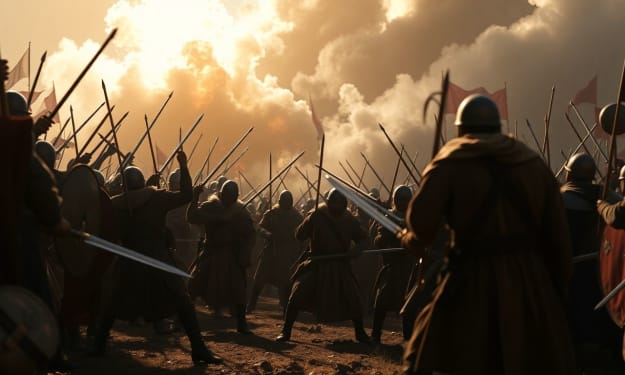
"UNFORGETTABLE Last Stands: Heroes Who Fought to the Death | Historic Battles You NEED to See!"
History's Most Desperate Battles: Last Stands Fought to the Death The stories of last stands have captivated humans for generations. These moments, marked by extraordinary courage, highlight the powerful spirit of resistance in the face of certain death. Understanding these battles can provide insights into human nature, strategy, and sacrifice.
By Story silver book about a year ago in History
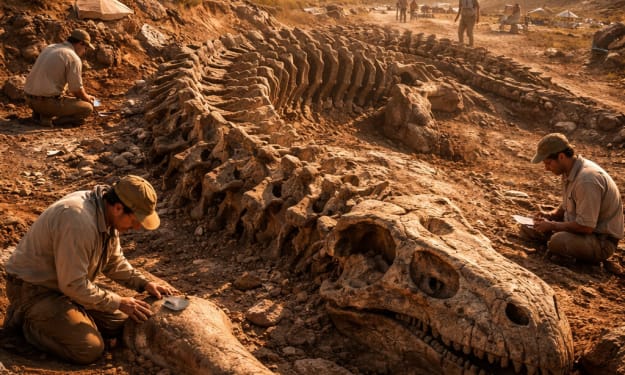
Argentina Unearths the Remains of a Giant Prehistoric Titan
In a remarkable scientific discovery, paleontologists working in Argentina have uncovered the fossilized remains of what is believed to be one of the earliest giant dinosaurs to walk the Earth. The discovery was made in the windswept region of Patagonia, an area long known for its rich fossil deposits. The newly discovered dinosaur is thought to have been a massive plant-eating species that roamed the planet nearly 200 million years ago.
By Irshad Abbasi a day ago in History
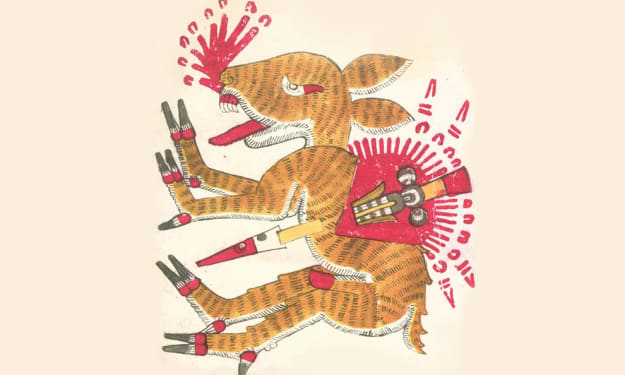
The Solitude of The Chupacabra
Many say that the Chupacabra is a rather recent and modern tale, a mangy coyote or rabied dog. Some point out that it’s just twisted evolution. But very few know the true backstory of the shapeshifter that led to the bloodsucking legend. And perhaps once you will come to know and understand more, you might “forget” a few cattle out to wander.
By Oneg In The Arctic3 days ago in Fiction

Comments
There are no comments for this story
Be the first to respond and start the conversation.