
"UNFORGETTABLE Last Stands: Heroes Who Fought to the Death | Historic Battles You NEED to See!"
History last death

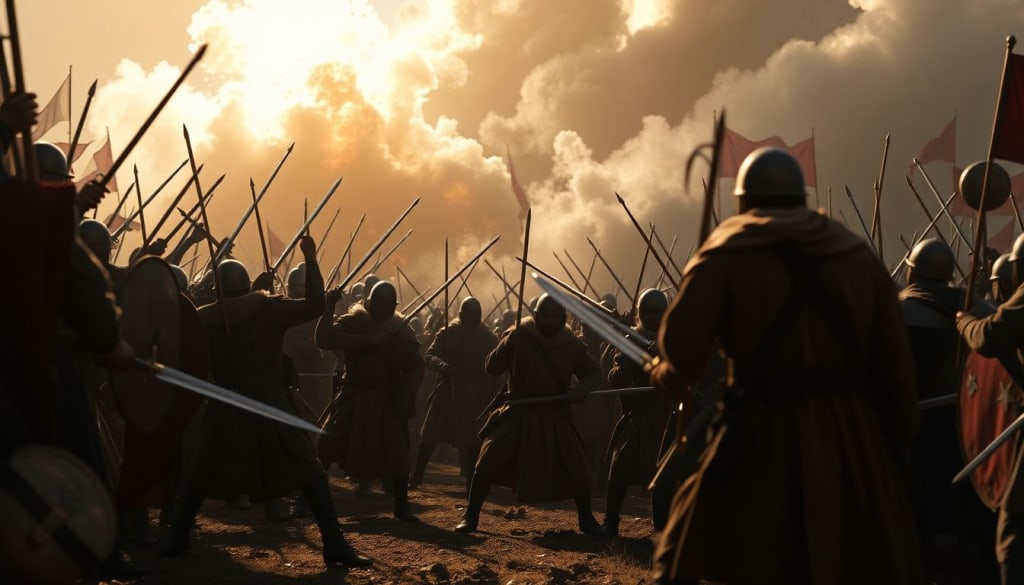
History's Most Desperate Battles: Last Stands Fought to the Death
The stories of last stands have captivated humans for generations. These moments, marked by extraordinary courage, highlight the powerful spirit of resistance in the face of certain death. Understanding these battles can provide insights into human nature, strategy, and sacrifice.
The Psychology of a Last Stand: Facing Certain Death
When faced with inevitable defeat, why do some choose to fight until the end? Last stands often involve a deep sense of honor, loyalty, and a desire to protect one's people or beliefs. These individuals confront their mortality with tenacity, choosing valor over escape. Such moments illustrate the complexity of human motivation—ranging from fear to profound commitment.
Famous Last Stands Throughout History: A Brief Overview
Throughout history, there have been notable last stands that reveal humanity's resilience:
Thermopylae (480 BC): 300 Spartans fought against a massive Persian army.
Masada (73-74 AD): Jewish Zealots made a final stand against Roman forces.
Little Bighorn (1876): General Custer and his troops faced the Native American alliance.
The Alamo (1836): Texan defenders died fighting for independence.
Rorke’s Drift (1879): British soldiers held a small outpost against Zulu warriors.
These historical events demonstrate the ultimate sacrifice in defense of a cause.
Why Studying Last Stands Matters: Lessons in Courage, Strategy, and Sacrifice
Exploring these last stands offers lessons not just in bravery but also in military strategy. Each battle provides a unique perspective on how leadership, tactics, and group dynamics shape outcomes.
Resilience in adversity
The importance of preparation
Understanding the consequences of decision-making
Learning from these events can inform future conflicts and inspire individuals in their own struggles.
Thermopylae: 300 Spartans Against an Empire
The Spartan Military Machine: Tactics and Training
The Spartans were known for their disciplined military training and exceptional tactics. Young boys trained from a young age to become fierce warriors. Their rigid discipline and advanced strategies created a powerful fighting force.
Leonidas's Strategic Decision: Delaying the Persian Advance
King Leonidas made a crucial decision at Thermopylae. By choosing to stand against the Persian army led by Xerxes, he aimed to delay their advance into Greece. This sacrifice bought precious time for Greek city-states to prepare for war, showcasing strategic foresight in dire circumstances.
The Aftermath of Thermopylae: A Pyrrhic Victory for Xerxes
Though the Persians eventually overpowered the Spartans, the battle was costly. It encouraged the Greeks to unite against the Persians, ultimately leading to their defeat. Thermopylae became a symbol of heroic sacrifice and unity.
The Siege of Masada: Zealot's Defiance
The Roman Siege: A Brutal Campaign
Masada was a stronghold for Jewish Zealots during the Roman Empire's expansion. The Roman forces laid siege, intending to crush the rebellion. With a well-constructed wall and engaging in psychological warfare, the Romans aimed to wear down the defenders.
The Mass Suicide of the Jewish Zealots
Faced with capture, the Zealots made a tragic choice. In 73 AD, they chose mass suicide over surrender, highlighting their fierce commitment to freedom. This act of defiance has resonated through history.
Masada's Legacy: Symbol of Resistance and Sacrifice
Masada represents the struggle against oppression. Today, it serves as a symbol of courage and resistance. The phrase "Masada shall not fall again" echoes in the hearts of those who seek freedom.
The Battle of Little Bighorn: Custer's Last Stand
The Sioux and Cheyenne Alliance
In 1876, the Native American tribes united against the encroaching settlers. General Custer underestimated their resolve and cohesion. Trained for battle, they carefully strategized their attacks.
Custer's Miscalculations: Underestimation and Poor Tactics
Custer's overconfidence led to disastrous decisions during the battle. Arriving with a fragmented force instead of waiting for reinforcements, his troops faced overwhelming opposition. The Native Americans outmaneuvered Custer, resulting in a decisive defeat.
The Aftermath of Little Bighorn: Impact on Native American Resistance
The loss shocked the nation and intensified conflicts. However, it also strengthened Native American resolve, marking a pivotal moment in their fight for their rights and lands.
The Alamo: A Symbol of Texan Resilience
The Siege of the Alamo: A 13-Day Struggle
In 1836, a small group of Texan defenders faced a much larger Mexican army. The siege lasted 13 days, becoming a symbol of valor. These brave men fought for Texas independence.
The Sacrifice of the Alamo Defenders
All defenders perished, but their legacy lived on. Their bravery inspired many Texans to join the fight against oppression, signifying the power of collective sacrifice.
The Alamo's Enduring Symbolism: A Catalyst for Texan Independence
The phrase "Remember the Alamo!" became a battle cry, galvanizing support for Texan independence. The story of the Alamo represents the enduring spirit of resistance.
The Battle of Rorke's Drift: A British Stand Against the Zulus
The Zulu Impi: Military Organization and Tactics
The Zulus were known for their effective military strategies. Their disciplined formations and use of mobility made them formidable opponents. The British were ill-prepared for the onslaught they faced.
The British Defense: Holding the Outpost Against Overwhelming Odds
At Rorke’s Drift, a small group of British soldiers held their ground against thousands of Zulu warriors. They used defensive tactics, such as barricades, to protect their position. The determination of these soldiers showcased extraordinary bravery.
Rorke's Drift's Impact: A Triumph Against the Odds
The defense of Rorke's Drift became a celebrated victory for the British Empire, highlighting the importance of tactics and morale. It demonstrated that even against overwhelming odds, courage can prevail.
Conclusion: Lessons From History's Last Stands
Key Takeaways: Courage, Strategy, and the Human Spirit
The stories of last stands teach us invaluable lessons in determination and the human spirit. These battles remind us that courage can emerge in the fiercest adversities.
Understanding the Impact of Last Stands on Future Conflicts
Examining these events offers insights that can apply to modern conflicts. The principles of strategy, unity, and sacrifice remain relevant today.
Further Research: Exploring Other Notable Last Stands
Many last stands exist beyond those mentioned. Exploring these can deepen understanding of human resilience and the enduring quest for freedom. The lessons from history continue to inspire us today.
About the Creator
Story silver book
I'm a freelance writer. I'm a great communicator, with excellent writing skills and the ability to adapt to any situation.
Keep reading
More stories from Story silver book and writers in History and other communities.
"Forgotten Heroines: The Shocking True Stories of British Women Convicts Sent to Australia!"
True Tales of British Women Transported to Australia: Convict Ships and Untold Stories The harrowing tale of Mary O’Loughlin, who was sentenced to transportation for stealing a loaf of bread, captures the essence of a journey that would alter countless lives. Imagine her fear and desperation as she boarded a convict ship bound for Australia, leaving behind everything she knew. Transportation to Australia was a common punishment in the 18th and 19th centuries, and many women, like Mary, faced unimaginable hardships. This article will explore the lives and stories of British women transported to Australia, their struggles, resilience, and the legacies they left behind.
By Story silver book about a year ago in History
Seven Dials
Introduction Seven Dials is a famous and historic area located in London, England. It is found near Covent Garden, one of the busiest and most popular parts of the city. Seven Dials is known for its unique road design, rich history, old buildings, shops, cafés, and lively atmosphere. Today, it is a popular place for tourists and local people who enjoy culture, shopping, and history.
By Farhan Sayed5 days ago in History
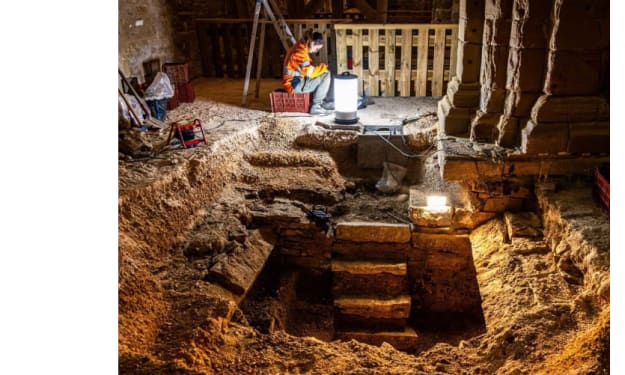
A secret staircase found beneath a 1,500-year-old French church
A subterranean staircase and burial strata dating back approximately 1,500 years were discovered during a project inside the Church of Saint Philibert in Dijon, France. The stairs were discovered by restoration workers inside the church when repairs were being made, and the excavation soon ensued.
By Francis Dami5 days ago in History



Comments
There are no comments for this story
Be the first to respond and start the conversation.