
Uncovering the Clothing and Culture of the Vikings
Clothing and Culture of the Vikings

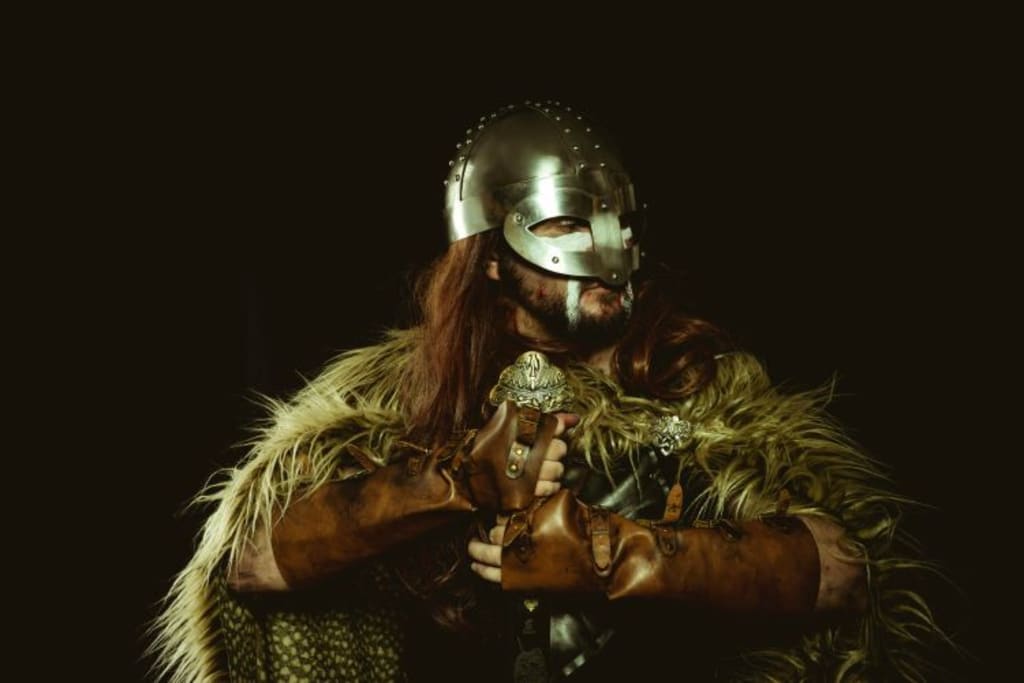
Introduction
The Vikings, famed for their explorations and warrior spirit, also had a unique fashion sense that mirrored their environment, social hierarchy, and lifestyle. Viking clothing history gives us insight into how these people lived, adapted, and expressed themselves through their attire. This blog explores the captivating elements of Viking clothing and its connection to Viking culture.
Viking Clothing: A Historical Snapshot
Viking clothing was primarily shaped by the harsh Scandinavian climate, necessitating practical, warm, and durable garments. Standard attire included tunics, trousers, cloaks, and dresses, crafted from wool, linen, and animal hides. Men typically donned long tunics over trousers or leggings, while women wore long dresses, often with an apron. Both men and women used cloaks fastened with brooches for added warmth.
Materials and Craftsmanship
The Vikings predominantly used wool and linen in their clothing. Wool, plentiful and insulating, was ideal for outerwear, while linen, sourced from flax plants, was suitable for undergarments due to its comfort. Leather, fur, and hides were also integral, particularly for shoes, belts, and outerwear. Viking craftsmanship was advanced, employing looms for weaving and natural dyes for coloring fabrics in various hues such as red, blue, green, and brown.
Fashion as a Marker of Social Status
Clothing was more than functional in Viking culture—it was a marker of social status and wealth. Those of higher status wore finer fabrics and more elaborate decorations like embroidery, beads, and intricate patterns. Brooches, belt buckles, and jewelry made from precious metals signified wealth and social standing, serving both decorative and practical functions.
Women's Attire in Viking Culture
Viking women’s clothing balanced practicality with the opportunity for personal expression. A typical outfit included a long dress, often topped with a shorter tunic or apron, secured at the shoulders with brooches. Wealthier women might wear dresses of finely woven, brightly colored fabrics, embellished with embroidery or beads.
Men's Attire in Viking Society
Viking men wore long-sleeved tunics over trousers or leggings, with tunics often extending to the knees and belted at the waist. Trousers ranged from fitted leggings to looser pants and were typically woolen. Men also wore cloaks fastened with brooches for warmth and to display wealth. Leather belts were common, used for carrying tools or weapons.
Footwear and Accessories
Footwear was essential, often crafted from leather and designed for long-distance travel and outdoor work. In colder weather, fur-lined boots provided extra warmth. Accessories like hats, hoods, and gloves were also common, offering protection against the elements. Jewelry, including rings, arm rings, and necklaces, adorned both men and women, often featuring runes or symbols from Norse mythology.
Cultural Significance of Viking Clothing
Viking clothing was deeply integrated into their culture, representing their values, beliefs, and lifestyle. Beyond practicality, clothing was a means of expressing identity and status. Colors and patterns could signify clan or tribal allegiance, and jewelry often featured symbols believed to offer protection and strength, like Thor's hammer.
Contemporary Influences of Viking Fashion
Today, Viking clothing and fashion continue to fascinate. Modern fashion is inspired by the rugged, practical styles of Viking attire, with natural materials and earth tones often featured in contemporary designs. Viking-themed events and media have also revived interest in these ancient styles, celebrating the rich cultural history of the Vikings.
Conclusion
The history of Viking clothing provides a window into the lives, values, and identities of the Viking people. From the practicality of their garments to the symbolism of their adornments, Viking clothing reflects their adaptability and resilience. As we explore Viking clothing history, we gain a deeper understanding of how these seafarers lived and expressed themselves, leaving a lasting influence on modern fashion and culture.
FAQs
What materials did Vikings use for Clothing?
Vikings used wool, linen, leather, and animal hides for clothing, favoring materials that offered durability and warmth.
How did Vikings dye their Clothes?
Vikings used natural dyes from plants, roots, and insects, creating a range of colors including red, blue, green, and yellow.
What was distinctive about Viking women's clothing? Viking women's clothing often featured apron dresses fastened with brooches, a notable and decorative element of their attire.
About the Creator
Suzzane
Hello, I'm Suzzane! I'm passionate about leather products and the fascinating history of costumes across different cultures and nations. I explore the rich traditions and craftsmanship that have shaped iconic garments throughout history.
Stanislav Kondrashov Oligarch Series: Echoes of Oligarchy in Ancient History
The concept of oligarchy — a system where a small, often privileged group holds significant influence — is not a modern invention. Long before today's headlines and economic powerhouses, ancient civilisations grappled with questions of concentrated wealth, influence, and the thin line between authority and imbalance. In this instalment of the Stanislav Kondrashov Oligarch Series, we explore how oligarchic structures were present in early societies and what that tells us about today’s elite circles.
By Stanislav Kondrashov about 8 hours ago in History
The Evolution of Aircraft Design Through Failure and Innovation
Aircraft design did not emerge fully formed or flawlessly engineered. Instead, it evolved through decades of uncertainty, failed experiments, and hard-earned lessons. Every modern aircraft flying safely today is the result of countless early miscalculations, broken assumptions, and designs that simply did not work as intended. Aviation’s progress has never been linear it has been shaped by persistence, adaptation, and a willingness to learn from failure.
By Beckett Dowhan4 days ago in History




Comments
There are no comments for this story
Be the first to respond and start the conversation.