
Transportation in Ancient Africa: Systems, Routes, and Legacy
Unlocking Africa’s Ancient Transportation Systems: From Camel Caravans to River Trade

Introduction
Transportation played a crucial role in the development of ancient African civilizations, facilitating trade, cultural exchanges, and the movement of people. From the vast empires of Egypt and Nubia to the trading networks of West Africa, transportation was integral to the economic and social growth of the continent. In this article, we will explore the key forms of transportation used in ancient Africa, how these systems evolved over time, and their impact on the continent’s history and development. This guide will also address common questions on the subject, providing a rich resource for those interested in African history.
Pre-Colonial Transportation Networks in Ancient Africa
Before the arrival of colonial powers, Africa had developed several complex transportation networks that catered to local and long-distance trade. Many African societies constructed transportation systems based on the unique environmental and geographic challenges of the continent. While these networks were not as globally integrated as those in Europe or Asia, they were highly efficient within Africa, connecting major trading hubs and population centers.
Key Factors Influencing Pre-Colonial Transport:
Geography: Africa’s varied geography, including deserts, forests, rivers, and mountain ranges, greatly influenced the modes of transportation. Regions like the Sahara, with its vast arid expanses, developed camel caravans, while riverine societies used canoes and boats.
Regional Trade: Pre-colonial Africa was home to large trading empires such as Ghana, Mali, and Songhai in West Africa. These empires relied on long-distance trade routes across the Sahara and through the Niger River for transporting goods like gold, salt, and ivory.
Transportation Systems and Modes in Ancient Africa
1. Animal Transport
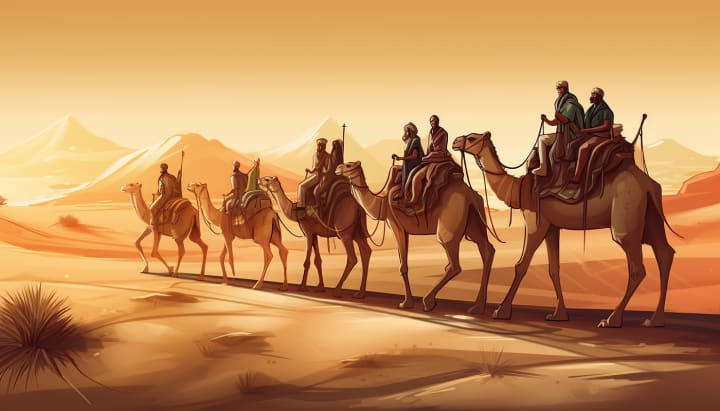
Camels: The camel, introduced to Africa via Egypt around the 7th century CE during the Arab conquest, revolutionized transportation, especially in the Sahara Desert. Camels were well-suited to the harsh desert conditions, able to carry heavy loads for long distances without water. The introduction of camels gave rise to the famous Trans-Saharan trade routes, which connected North Africa to the gold-rich kingdoms of West Africa.
Bullocks and Horses: Before camels, bullocks were used as pack animals and to pull carts, especially in North Africa. Horses also played a significant role, especially in northern Nigeria and regions of the Sudan, though their use was limited in areas infested by the tsetse fly, which transmitted deadly diseases to animals.
Donkeys: In West Africa and parts of North Africa, donkeys were commonly used for short-distance transport and were crucial for agriculture, pulling carts and carrying goods between villages and towns.
2. Water-Based Transport
River Transport: Africa’s vast river systems, including the Nile, Niger, Senegal, and Congo rivers, served as natural highways for the movement of goods and people. Canoes and boats were the primary means of river transport, with advanced societies building large dugout canoes capable of carrying heavy loads over long distances.
Engine-Powered Boats: As trade expanded, the use of engine-powered boats on African rivers and lakes gradually replaced traditional canoes. On lakes like Lake Victoria, rail ferries were introduced to transport goods across large bodies of water, further boosting trade.
3. Road and Caravan Routes
Trans-Saharan Trade Routes: The Trans-Saharan trade routes were some of the most important overland transportation systems in ancient Africa. These routes connected the gold fields of West Africa with the Mediterranean and Middle Eastern markets, enabling the exchange of gold, salt, ivory, and other commodities. The introduction of the camel significantly enhanced these trade routes, allowing merchants to traverse the Sahara more efficiently.
Caravan Routes in East Africa: In East Africa, caravan routes connected coastal cities like Mogadishu and Kilwa with inland trading centers. These routes facilitated trade between African societies and the Arabian Peninsula and India, with goods like gold, spices, and slaves being transported.
4. Colonial Influence and Transformation
The colonial era saw a dramatic restructuring of Africa’s transportation networks. Colonial powers built roads, railways, and ports primarily to extract resources and control their colonies. These developments, however, also contributed to the modernization of African transport systems.
Railways: The construction of railways in the 19th and early 20th centuries played a crucial role in expanding transportation. While the initial purpose was to facilitate the movement of raw materials from Africa’s interior to the coast for export, railways also connected previously isolated regions and helped to integrate African economies.
Ports and Harbors: Colonial powers also developed ports and harbors, including artificial harbors, to better connect Africa with global trade networks. Major ports like those in Johannesburg, Nairobi, Lagos, and Cairo became key hubs for trade and transportation in Africa.
Air Transport and the Modern Era
With the advent of the airplane in the 20th century, Africa’s transportation network took another leap forward. Air transport has since become the dominant mode of international travel across the continent. Airports in Johannesburg, Nairobi, Lagos, and Addis Ababa serve as international hubs that connect Africa with the rest of the world. Domestic air services have also grown, making air transport an essential part of Africa’s modern transportation infrastructure.
Impact of Transportation on Ancient African Societies
Economic Growth: Transportation was a critical factor in the economic growth of ancient African empires. Efficient transport networks allowed for the movement of valuable resources such as gold, salt, ivory, and slaves, connecting Africa with Europe and the Middle East.
Cultural Exchange: The movement of people facilitated cultural exchange and the spread of ideas, technologies, and religions. For example, the spread of Islam in West Africa was closely tied to the trade routes established by camel caravans.
Political Power: Control over key transportation routes often translated into political and military power. Empires like Mali and Songhai grew rich and powerful by controlling the trans-Saharan trade routes, while kingdoms along Africa’s rivers used their control of water transport to assert dominance over their neighbors.
FAQ
1. What were the main modes of transportation in ancient Africa?
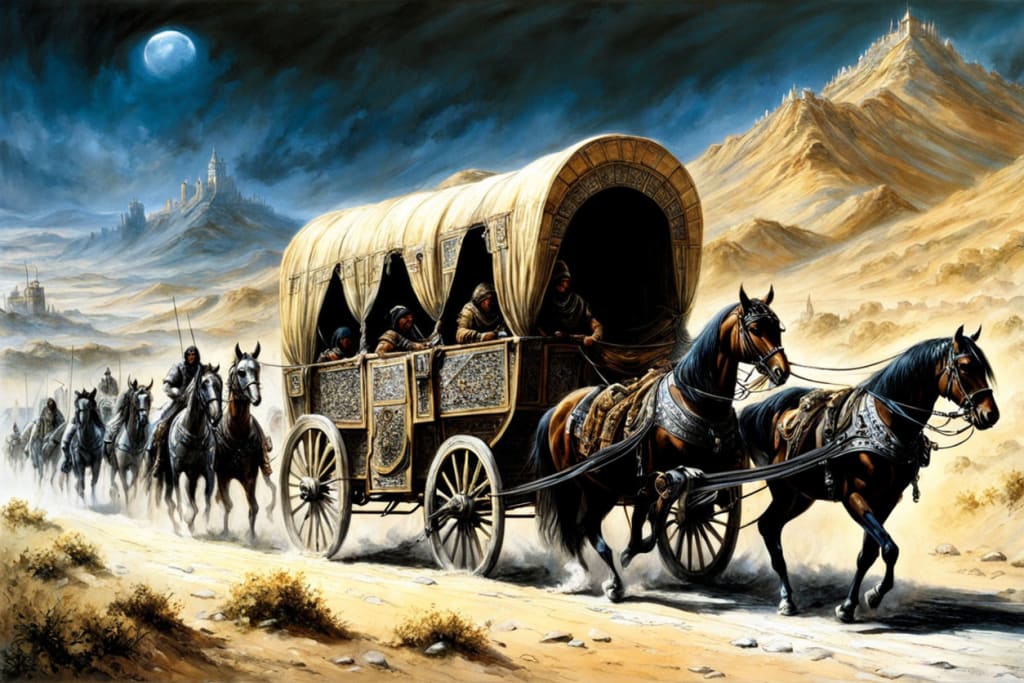
The primary modes of transportation in ancient Africa included animal transport, such as camels, donkeys, horses, and bullocks. Additionally, canoes and boats were widely used on rivers like the Nile, Niger, and Congo for moving goods and people. In later periods, wagons were introduced by European settlers and traders.
2. How did camels revolutionize transportation in ancient Africa?
Camels were introduced to Africa through Egypt around the Arab conquest and revolutionized transport, particularly across the Sahara Desert. Their ability to endure long journeys with minimal water made them the primary mode of transportation on the trans-Saharan trade routes, facilitating the exchange of gold, salt, and other goods.
3. How did rivers contribute to transportation in ancient Africa?
Rivers like the Nile, Niger, and Congo played crucial roles in transportation. They acted as natural highways, allowing for the movement of goods, particularly agricultural products, between settlements and across regions. In addition to traditional canoes, engine-powered boats later supplemented water transport on these rivers.
4. How did the ancient Africans adapt transportation to diverse environments?
Africans adapted transportation to diverse environments by utilizing locally available animals in different regions. For instance, camels were used in the Sahara, donkeys and horses in North Africa and western regions, and bullocks in Southern Africa. Additionally, people utilized water transport where rivers were navigable, and they constructed paths and trails for foot and animal traffic across the continent.
5. Did ancient Africa have long-distance trade routes?
Yes, ancient Africa had extensive long-distance trade routes, most notably the trans-Saharan trade routes. These connected North Africa with sub-Saharan regions, facilitating the exchange of goods such as gold, salt, ivory, and slaves. Empires like Ghana, Mali, and Songhai thrived because of their strategic control over these routes.
6. What role did European colonization play in African transportation?
During the colonial era, European powers restructured African transportation networks to serve their own commercial and administrative needs. They built roads and railways, particularly to extract minerals and other resources, but left fragmented systems that were challenging for interregional African trade. Colonial governments focused on connecting seaports to inland resources, rather than creating robust networks between African regions.
7. How did the introduction of motor transport change African transportation?
The introduction of motor vehicles in the 1920s transformed African transportation, making it easier and faster to move goods and people across long distances. This led to the construction of roads, particularly in North and Southern Africa. Loans from international organizations like the World Bank helped fund road networks in many African countries starting in the 1950s.
8. Did ancient Africa have any railway systems?
Railways were introduced to Africa primarily during the colonial period, not in ancient times. They were built by colonial powers to facilitate the export of resources. However, the railway systems were often inefficient and fragmented due to the use of different track gauges and technologies across regions.
9. Was air transport developed in ancient Africa?
Air transport was not part of ancient African transportation, as it emerged only in the 20th century. However, modern air transport became an important part of Africa's transportation infrastructure, helping connect distant regions and countries in the post-colonial period.
10. How did African empires influence transportation systems?
Great African empires like Ghana, Mali, and Songhai used transportation systems to control and tax trade routes. Their power and wealth were largely derived from controlling the movement of goods such as gold and salt across long distances. These empires often developed infrastructure like caravan routes and established markets to facilitate trade.
Conclusion
Ancient Africa's transportation systems were as varied as the continent itself, with trade routes that spanned deserts, rivers, and vast plains. From camels crossing the Sahara to boats traversing the Nile, transportation was key to the rise and fall of powerful empires. Understanding these historical networks not only gives insight into the economic and cultural exchanges that shaped Africa but also offers a deeper appreciation of how ancient Africans adapted to their environment to facilitate commerce and connection.
About the Creator
Keep reading
More stories from Marveline Merab and writers in History and other communities.
The First African Trading Empire: The Rise of Ancient Ghana
Introduction The history of trade in Africa is as rich and diverse as the continent itself. Among the earliest and most prosperous trading empires in Africa was the Empire of Ghana, often considered the first major trading empire in sub-Saharan Africa. This empire flourished between the 6th and 13th centuries and became a central hub for trans-Saharan trade, especially known for its wealth in gold. This article will delve deep into the rise and fall of ancient Ghana, its economy, political structure, and cultural influence, and will provide insights into how its strategic positioning and resources shaped African and global history.
By Marveline Merababout a year ago in History
"Game of Thrones: A Tale of Power, Betrayal, and Destiny"
In the vast and divided land of Westeros, power was everything. Noble houses ruled their regions, bound together by fragile alliances, old grudges, and a constant hunger for the Iron Throne—the seat of supreme authority. Though summer had lasted for many peaceful years, whispers of change moved with the cold wind. Winter, long feared, was coming.
By The best writer 3 days ago in History
Why Pastor Collar Shirts Are Essential for Modern Church Leaders
In today’s modern church, appearance matters just as much as message. Church leaders are expected to look respectful, approachable, and professional at all times. Clothing plays a big role in creating this image. Among all clerical outfits, pastor collar shirts stand out as one of the most important garments for church leaders. These shirts are not only a symbol of faith and authority, but they also provide comfort, confidence, and identity.
By Sameera eclergysa day ago in History



Comments
There are no comments for this story
Be the first to respond and start the conversation.