
The Wealthiest Cathedral in Christianity: A Chronicle of St. Peter’s Basilica
Among the myriad cathedrals, churches, and chapels that populate the Christian landscape, none are as emblematic, influential, or affluent as St. Peter’s Basilica in Vatican City. This hallowed structure, deemed the foremost church in Roman Catholicism, serves not only as a spiritual lighthouse but also as a repository of art, history, and considerable value. While Christianity champions humility and spiritual affluence, St. Peter’s Basilica stands as an opulent testament to the authority and impact of the Catholic Church throughout the ages. Its inception, construction, artistic treasures, and economic significance render it the wealthiest cathedral in the Christian realm.

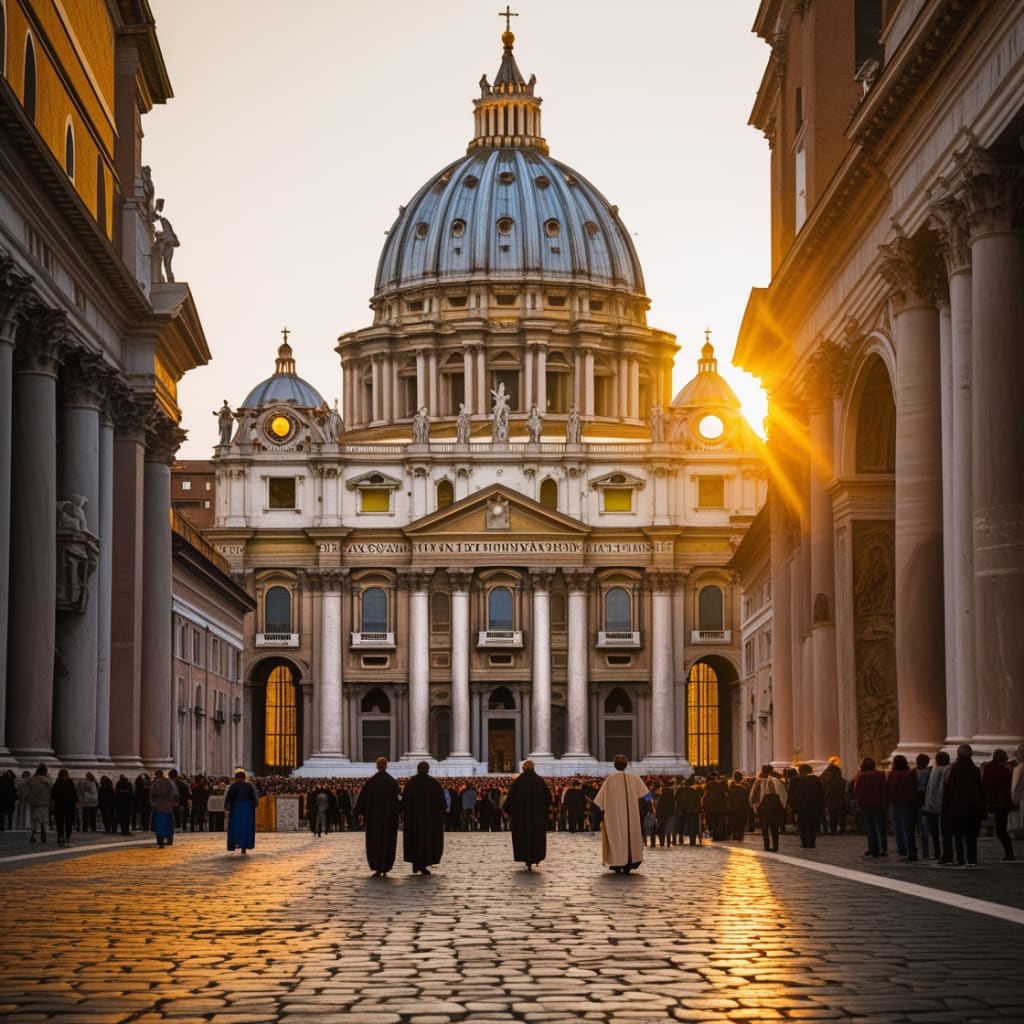
The Origins: A Tomb Transformed into a Basilica
The narrative commences in the 1st century CE. According to Christian doctrine, St. Peter, one of Jesus Christ's twelve disciples and viewed as the first Pope, was martyred in Rome during Emperor Nero's rule. He was crucified upside-down and interred in a burial site on Vatican Hill. Over his resting place, Emperor Constantine, the first Roman emperor to embrace Christianity, commissioned a basilica circa 319 CE.
This initial basilica endured for over a millennium. However, due to its advancing deterioration, Pope Julius II mandated the erection of a new church in the early 16th century. This initiated a significant endeavor that would extend beyond 120 years and engage some of the most renowned artists and architects throughout history.
The Renaissance Renovation: A Testament to Authority and Belief
The construction of the contemporary St. Peter’s Basilica commenced in 1506 and reached completion in 1626. Numerous master architects, including Donato Bramante, Michelangelo, Carlo Maderno, and Gian Lorenzo Bernini, played vital roles in the design and construction of the basilica. This architectural wonder was envisioned not merely as a site of worship, but also as a proclamation of the Catholic Church’s dominance during the Renaissance and the Counter-Reformation.
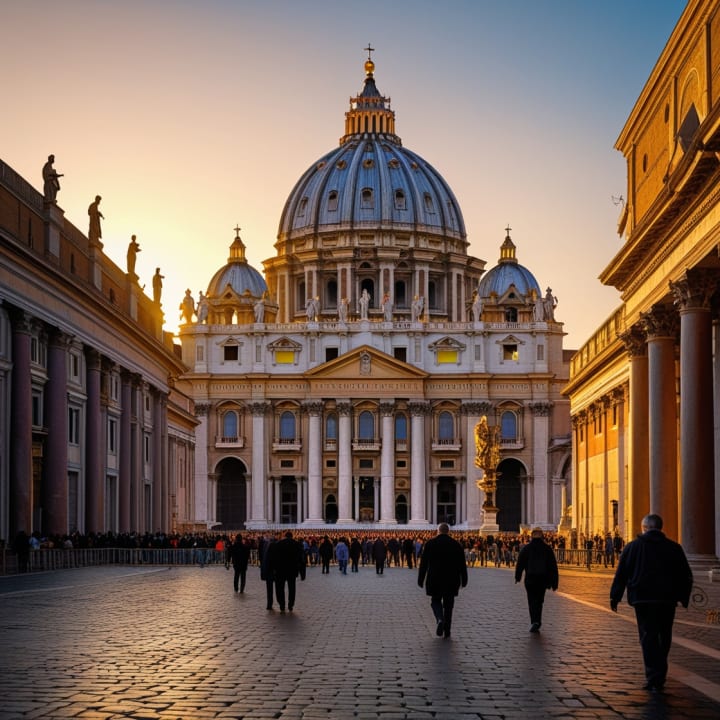
Michelangelo, who assumed the position of chief architect in 1547, designed the grand dome that presently crowns the skyline of Rome. Bernini contributed the renowned St. Peter’s Square and the interior embellishments, inclusive of the Baldacchino, a towering bronze canopy above the papal altar. These enhancements not only amplified the basilica's allure but also augmented its financial and symbolic significance.
A Repository of Art and Wealth
St. Peter’s Basilica contains some of the most esteemed artworks globally. Michelangelo’s Pietà, a sculpture depicting the Virgin Mary holding the body of Christ, is among the most venerated and invaluable artistic creations ever made. The basilica’s interior is embellished with gold, marble, mosaics, and statues crafted by Renaissance virtuosos.
The altar of the church, situated above the tomb of St. Peter, is reserved solely for the Pope. The relics, papal garments, sacred vessels, and countless contributions from emperors, sovereigns, and the faithful over centuries have transformed the basilica into a treasury of historical treasures.
Economic Influence and the Vatican’s Wealth
Although St. Peter’s Basilica does not function as a profit-driven entity, it plays a substantial role in the financial prosperity of the Vatican. Each year, millions of pilgrims and tourists flock to the basilica, generating income through contributions, paid tours, and various related services.
Historically, indulgences (the sale of absolution for transgressions) also contributed to funding the construction of the basilica, a practice that provoked Martin Luther’s opposition and the Protestant Reformation. In spite of this contentious funding method, the basilica was finalized and continues to symbolize the Church’s lasting influence.
The Vatican’s financial autonomy is predominantly bolstered by the assets it possesses, including invaluable artwork and real estate much of which is situated around St. Peter’s Basilica and the Vatican Museums.
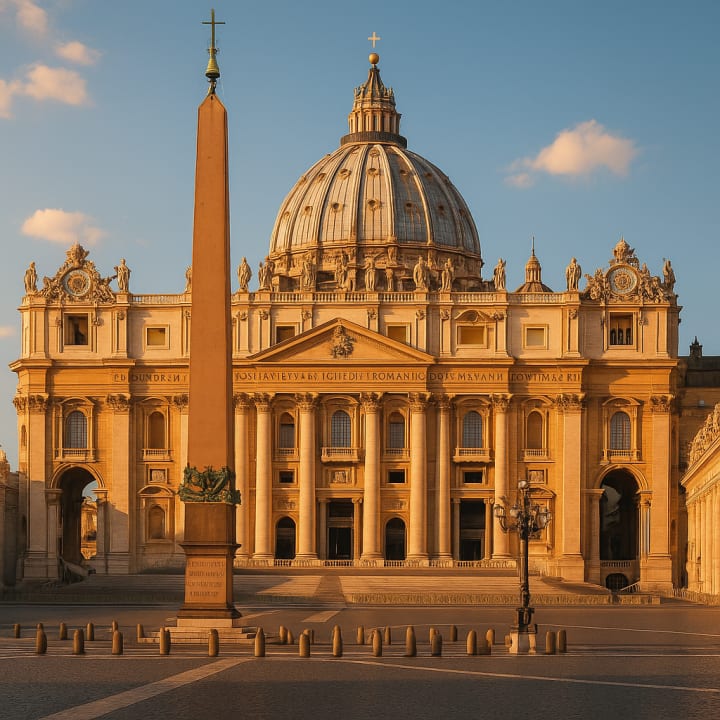
Cultural and Religious Significance
Beyond its financial aspects, St. Peter’s Basilica possesses significant religious relevance. It serves as the epicenter of the Roman Catholic community and hosts major liturgical ceremonies, such as Papal Masses, canonizations, and the funeral rites of Popes. It is a pilgrimage destination for Catholics globally, who gather to pray at the tomb of St. Peter.
The basilica also embodies the unity and continuity of the Christian faith throughout the ages, connecting the early Church with contemporary practice. Despite its grandeur and splendor, it functions as a sanctuary, a site for prayer and worship for millions.
Conclusion
St. Peter’s Basilica transcends being merely a structure. It is a living testament to centuries of faith, authority, artistry, and commitment. As the wealthiest edifice in Christianity, it encapsulates the intricate relationship between spiritual conviction and tangible manifestation. From its ancient origins atop the remains of a martyr to its current standing as an international icon, St. Peter’s Basilica endures as a monumental tribute to the lasting legacy of Christianity and its capacity to evoke awe, respect, and contemplation.
About the Creator
Say the truth
"Say the Truth: Explain Everything in the World" is your trusted source for uncovering facts and exploring the wonders of history, science, technology, and beyond. We simplify complex ideas and reveal truths to inspire curiosity .
Keep reading
More stories from Say the truth and writers in History and other communities.
The Golden Vein of China: History and Wealth of the Yellow River's Mineral Deposits
Historical Background The history of mining and mineral utilization in the Yellow River region can be traced back to ancient China, particularly during the Xia, Shang, and Zhou dynasties (2100–256 BCE). Early Chinese metallurgy predominantly relied on copper and tin for the creation of bronze tools, weapons, and ceremonial vessels. Archaeological discoveries from the Yellow River valley, especially within Henan and Shaanxi provinces, indicate that bronze mining and casting practices were highly developed as early as 1700 BCE.
By Say the truth 8 months ago in History
Seven Dials
Introduction Seven Dials is a famous and historic area located in London, England. It is found near Covent Garden, one of the busiest and most popular parts of the city. Seven Dials is known for its unique road design, rich history, old buildings, shops, cafés, and lively atmosphere. Today, it is a popular place for tourists and local people who enjoy culture, shopping, and history.
By Farhan Sayed4 days ago in History
A secret staircase found beneath a 1,500-year-old French church
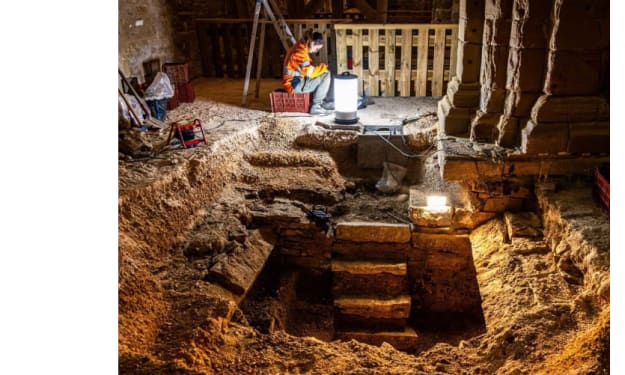
A subterranean staircase and burial strata dating back approximately 1,500 years were discovered during a project inside the Church of Saint Philibert in Dijon, France. The stairs were discovered by restoration workers inside the church when repairs were being made, and the excavation soon ensued.
By Francis Dami4 days ago in History
Wild Card Weekend Recap: What Happens Now?
I think I figured out why I love Wild Card Weekend so much. It's because it's the first playoff anything of the calendar year. The NFL season starts in the fall, and once upon a time, the champion was crowned either on or slightly before New Year's. The evolution of the NFL schedule has resulted in the playoffs starting just into the New Year, and currently, the final week of the season falls on the first weekend of the New Year, with Wild Card Weekend coming a week after that. So yes, chronologically, the NFL's Wild Card Weekend serves as the first playoff anything of the calendar year.
By Clyde E. Dawkins6 days ago in Unbalanced


Comments (1)
The history of St. Peter's Basilica is fascinating. It's amazing how it evolved over the centuries. I wonder how the different architects' visions came together. And that dome by Michelangelo? It must've been quite a sight during construction. How do you think the basilica's art and architecture impact modern visitors?