
The Untold Tales of Ancient Civilizations
Secrets Beneath the Sands

Introduction
- Hook: Imagine walking through the sands of time, uncovering secrets that have been buried for millennia. What stories would these ancient grains tell us?
- Thesis Statement: This article explores the hidden secrets of ancient civilizations, revealing the mysteries and marvels that lie beneath the sands.
- Overview: We will journey through the enigmatic lands of Egypt, the Indus Valley, Mesopotamia, China, the Maya civilization, and the legendary Atlantis.
Section 1: The Mysteries of Ancient Egypt
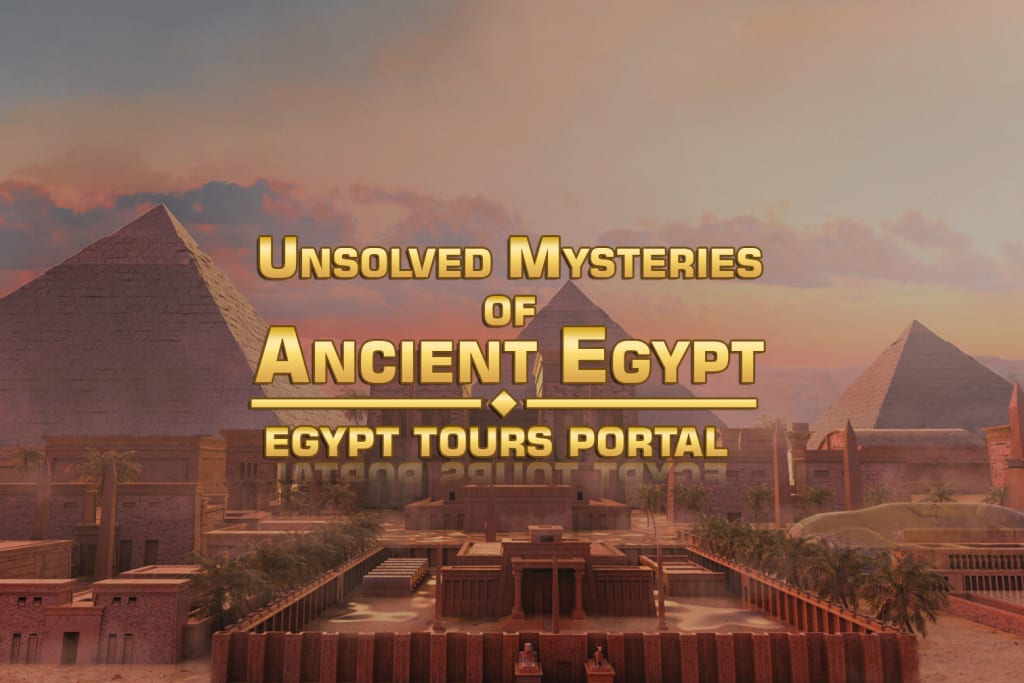
- The Pyramids of Giza: The construction techniques of the pyramids remain one of the greatest mysteries. Some theories suggest the use of ramps, while others propose advanced knowledge of mathematics and astronomy. The alignment of the pyramids with the stars of Orion’s Belt hints at a deeper connection with the cosmos.
- The Sphinx: The Great Sphinx of Giza, with its lion’s body and human head, has puzzled historians for centuries. Some believe it represents the pharaoh Khafre, while others suggest it predates the pyramids and holds secrets of a lost civilization.
- Hidden Tombs: Recent discoveries, such as the tomb of Tutankhamun, have provided invaluable insights into Egyptian burial practices and beliefs about the afterlife. The treasures found within these tombs, including the famous golden mask, reveal the wealth and artistry of ancient Egypt.
Section 2: The Enigmatic Indus Valley Civilization
- Urban Planning: The cities of Mohenjo-Daro and Harappa were marvels of urban planning, with advanced drainage systems, grid layouts, and standardized bricks. These features indicate a highly organized society with a strong central authority.
- Undeciphered Script: The Indus script, consisting of over 400 symbols, remains undeciphered. This has hindered our understanding of their language, culture, and governance. The discovery of more inscriptions could one day unlock the secrets of this ancient civilization.
- Trade and Economy: The Indus Valley civilization had extensive trade networks, reaching as far as Mesopotamia. Artifacts such as seals, beads, and pottery found in distant lands suggest a thriving economy based on trade and craftsmanship.
Section 3: The Secrets of Mesopotamia
- Ziggurats: These massive temple complexes were not only religious centers but also served as administrative hubs. The ziggurat of Ur, dedicated to the moon god Nanna, is one of the best-preserved examples, showcasing the architectural prowess of the Sumerians.
- Cuneiform Tablets: The discovery of thousands of cuneiform tablets has provided a wealth of information about Mesopotamian society, including legal codes, literary works, and economic transactions. The Code of Hammurabi, one of the earliest known legal codes, offers insights into the justice system of ancient Babylon.
- Epic of Gilgamesh: This ancient epic, one of the oldest known literary works, tells the story of King Gilgamesh and his quest for immortality. It reflects the values, beliefs, and existential questions of Mesopotamian society, highlighting their views on life, death, and the afterlife.
Section 4: The Wonders of Ancient China
- The Terracotta Army: Discovered in 1974, the Terracotta Army consists of thousands of life-sized soldiers, horses, and chariots buried with the first Emperor of China, Qin Shi Huang. Each figure is unique, showcasing the incredible craftsmanship and military organization of ancient China.
- The Great Wall: Stretching over 13,000 miles, the Great Wall of China was built to protect against invasions. Its construction involved millions of laborers and spanned several dynasties. The wall is a testament to the engineering skills and determination of the Chinese people.
- Ancient Inventions: Ancient China was a hub of innovation, giving the world inventions such as paper, gunpowder, the compass, and printing. These inventions revolutionized communication, warfare, navigation, and knowledge dissemination, shaping the course of human history.
Section 5: The Mystical Maya Civilization
- Mayan Pyramids: The pyramids of the Maya, such as El Castillo at Chichen Itza, were not only architectural marvels but also served as astronomical observatories. The precise alignment of these structures with celestial events reflects the Maya’s advanced knowledge of astronomy.
- Astronomy and Calendar: The Maya developed a complex calendar system based on their observations of the stars and planets. The Long Count calendar, which famously predicted the end of a cycle in 2012, demonstrates their sophisticated understanding of time and cosmology.
- Recent Discoveries: Advances in technology, such as LIDAR, have revealed previously unknown Maya cities hidden beneath the jungle canopy. These discoveries are reshaping our understanding of Maya civilization, revealing its complexity and extent.
Section 6: The Lost City of Atlantis
- Plato’s Account: The legend of Atlantis, as described by Plato, tells of a powerful and advanced civilization that sank into the ocean. While many consider it a myth, the story has captivated imaginations for centuries.
- Theories and Speculations: Various theories suggest possible locations for Atlantis, including the Mediterranean, the Caribbean, and even Antarctica. Some believe it was based on real events, such as the eruption of Thera or the Minoan civilization.
- Modern Searches: Modern technology, including satellite imagery and underwater exploration, continues to search for evidence of Atlantis. While definitive proof remains elusive, the quest for Atlantis fuels our fascination with lost civilizations.
Conclusion
- Summary: From the pyramids of Egypt to the lost city of Atlantis, the secrets buried beneath the sands reveal the ingenuity, beliefs, and achievements of ancient civilizations.
- Reflection: Uncovering these secrets not only enriches our understanding of history but also inspires us to appreciate the legacy of our ancestors.
- Call to Action: Encourage readers to delve deeper into the mysteries of ancient civilizations and to support archaeological efforts that continue to uncover our shared human heritage.
About the Creator
Sazeeb Chowdury
Passionate writer with a knack for crafting engaging content. Experienced in marketing, mental health, and tech reviews. Always curious, always learning. Let’s connect and create something amazing together!
Keep reading
More stories from Sazeeb Chowdury and writers in History and other communities.
From the Qur’an to Conservation
Introduction Islam, as a comprehensive way of life, offers profound insights into the relationship between humans and the environment. The Qur’an and the teachings of Prophet Muhammad (peace be upon him) emphasize the importance of preserving nature and maintaining the balance created by Allah. This article explores the Islamic perspective on environmental conservation, highlighting key principles and practical applications derived from Islamic teachings.
By Sazeeb Chowduryabout a year ago in History
Israel Palestine Conflict - Who is Wrong?
Amid the conflict between Palestine and Israel, there is a small three-paragraph letter that was written on November 2, 1917 by the British Foreign Secretary Arthur Balfour to the head of a British Jewish community leader Walter Rothschild.
By Imran Ali Shah5 days ago in History
Hottest in the Office
Dear Rafi, You’re very distracting to work around. For the first second I saw you the other day, I thought you were some type of executive. It took a moment to realize no, you were just the new guy, dressed up for the job he wants. Be still, my heart.
By Gabriel Shames4 days ago in Pride




Comments
There are no comments for this story
Be the first to respond and start the conversation.