
The Trump Effect: A Journey Through Controversy, Power, and Legacy
From Business Tycoon to Political Icon – The Unconventional Rise of Donald J. Trump

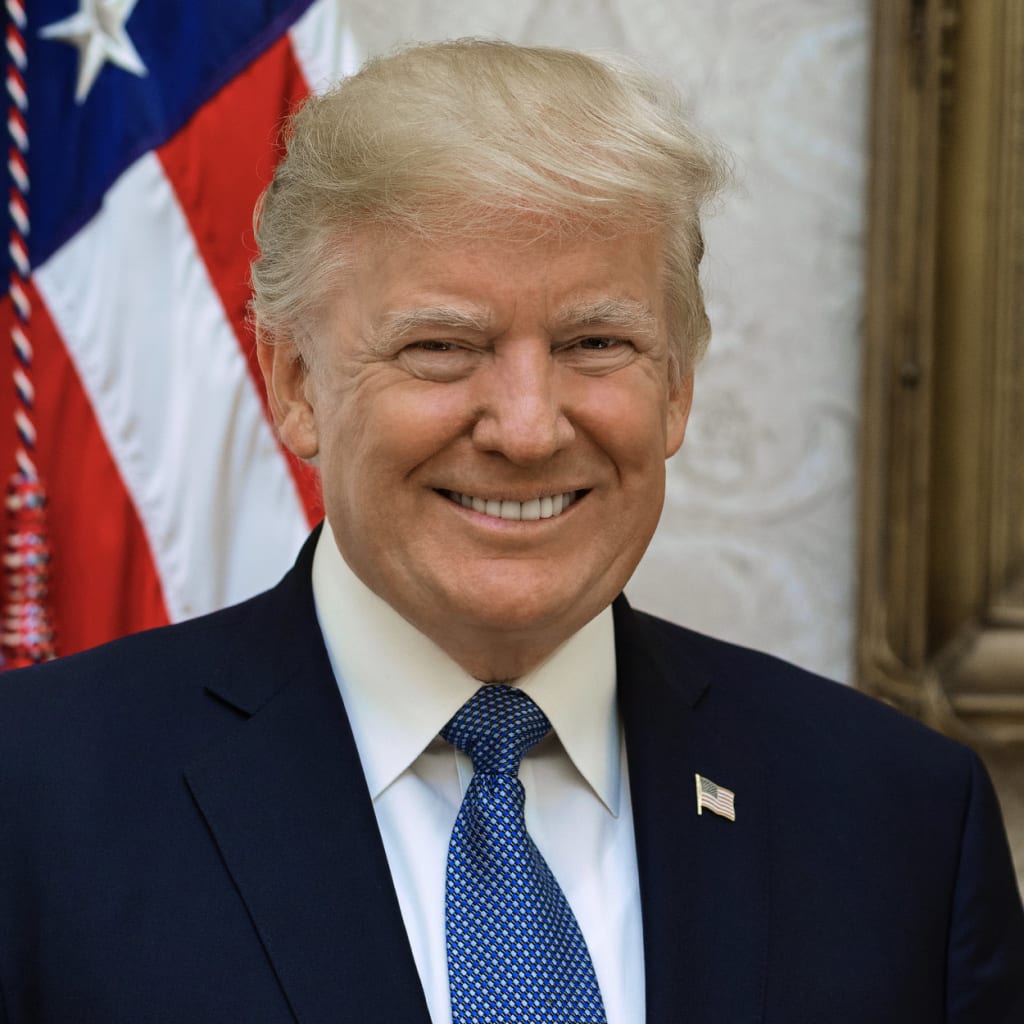
In the heart of New York City, among towering skyscrapers and flashing billboards, one name has echoed louder than most: Donald J. Trump. Known initially for his vast real estate empire, Trump built a brand that came to symbolize luxury, wealth, and ambition. Yet, his most audacious venture was not another skyscraper or reality TV show — it was his unexpected leap into the political arena.
The Businessman
Born on June 14, 1946, in Queens, New York, Donald Trump was the fourth of five children. His father, Fred Trump, was a successful real estate developer who built affordable housing across Brooklyn and Queens. From an early age, Donald displayed a flair for business and a competitive spirit. He studied economics at the Wharton School of the University of Pennsylvania and joined his father’s company shortly after graduation.
Trump soon expanded the company’s scope, setting his sights on Manhattan. His early projects, such as the Grand Hyatt Hotel and Trump Tower, were flashy and bold — much like the man himself. By the 1980s, Trump had become a household name, known not just for his properties, but also for his appearances in tabloids, books, and television.
The Media Personality
In 2004, Trump launched the reality show "The Apprentice," which showcased his persona as a tough, decisive business leader. With his trademark catchphrase, "You're fired!" he captivated millions of viewers and solidified his place in American pop culture.
This fame, combined with his outspokenness on political and social issues, gradually transformed Trump from a businessman into a cultural figure. He was never far from the spotlight, whether he was criticizing trade deals, questioning the leadership in Washington, or fueling conspiracy theories about President Barack Obama’s birthplace.
The Political Earthquake
When Donald Trump announced his candidacy for President of the United States in June 2015, few took him seriously. Standing at Trump Tower, he declared, “I will be the greatest jobs president that God ever created.” Critics scoffed, pundits laughed, and analysts predicted he would never win the Republican nomination.
But Trump had tapped into something raw and real — a growing frustration among millions of Americans who felt left behind by globalization, ignored by the political elite, and angry at what they saw as political correctness run amok. With slogans like “Make America Great Again,” Trump launched a populist movement that cut across traditional party lines.
He defeated a crowded field of seasoned Republican politicians and, in a stunning upset, beat Hillary Clinton in the 2016 presidential election. His victory sent shockwaves through the political establishment, both in the U.S. and around the world.
The Trump Presidency
Donald Trump’s four years in the White House were among the most tumultuous in American history. He enacted significant tax reforms, appointed three conservative Supreme Court justices, and took a hard stance on immigration and trade. His administration also pulled the U.S. out of the Paris Climate Agreement and the Iran Nuclear Deal.
Trump’s unfiltered use of social media, especially Twitter, gave him a direct line to his base but also led to constant controversy. His comments were often divisive, his enemies numerous, and his press conferences unpredictable.
The COVID-19 pandemic became the defining challenge of his presidency. His handling of the crisis drew sharp criticism, especially regarding the delayed response, downplaying the virus, and conflicts with health experts. Meanwhile, the economic impact was severe, though Trump pointed to a strong pre-pandemic economy as evidence of his success.
The 2020 Election and Its Aftermath
In 2020, Trump faced off against Democratic challenger Joe Biden. Despite a passionate base and significant fundraising, Trump lost the election — a result he and many of his supporters refused to accept. What followed was a period of intense political turmoil.
Trump’s repeated claims of a "stolen election" culminated in the January 6, 2021, attack on the U.S. Capitol. The riot shocked the nation, leading to Trump's second impeachment — the only president in U.S. history to be impeached twice. Though acquitted again, his role in the events tarnished his legacy for many and intensified divisions within the Republican Party.
The Post-Presidency and Political Future
After leaving office, Trump remained a powerful figure in American politics. He launched a new media platform, held rallies, and continued to endorse candidates aligned with his vision. In 2024, he announced his intention to run again for president, setting the stage for another historic campaign.
Whether he wins or loses, Trump's influence is undeniable. He reshaped the Republican Party, altered America’s political dialogue, and challenged institutions in ways never seen before. His supporters see him as a patriotic warrior who took on the establishment, while critics view him as a threat to democratic norms.
Legacy of a Disruptor
Donald Trump’s story is one of extremes — of fierce loyalty and deep hatred, of stunning victories and humiliating defeats. He is a symbol of both the American dream and its deepest contradictions.
To some, he is the ultimate outsider who defied the odds and gave a voice to the voiceless. To others, he represents the dangers of populism, ego, and misinformation. But love him or hate him, Donald Trump’s legacy will shape American history for decades to come.
He didn't just build towers — he tore down political traditions, redrew ideological boundaries, and forced a nation to confront its divisions.
The Trump era may have begun in gold and glitz, but its impact is etched in the soul of a country still debating what kind of future it wants — and what role, if any, Donald J. Trump will play in it.
About the Creator
NIAZ Muhammad
Storyteller at heart, explorer by mind. I write about life, history, mystery, and moments that spark thought. Join me on a journey through words!
Keep reading
More stories from NIAZ Muhammad and writers in History and other communities.
Imran Khan: From Cricket Legend to Political Powerhouse
Imran Khan, a name once synonymous with cricketing excellence, later became one of the most influential political figures in Pakistan’s modern history. His transformation from a world-class sportsman to the 22nd Prime Minister of Pakistan is a tale of ambition, resilience, and a deep-rooted desire to bring change to his country.
By NIAZ Muhammad9 months ago in History
Hottest in the Office
Dear Rafi, You’re very distracting to work around. For the first second I saw you the other day, I thought you were some type of executive. It took a moment to realize no, you were just the new guy, dressed up for the job he wants. Be still, my heart.
By Gabriel Shames5 days ago in Pride



Comments
There are no comments for this story
Be the first to respond and start the conversation.