
The Tragic Night of the Titanic: Unveiling the Unfortunate Chain of Events
about titanic
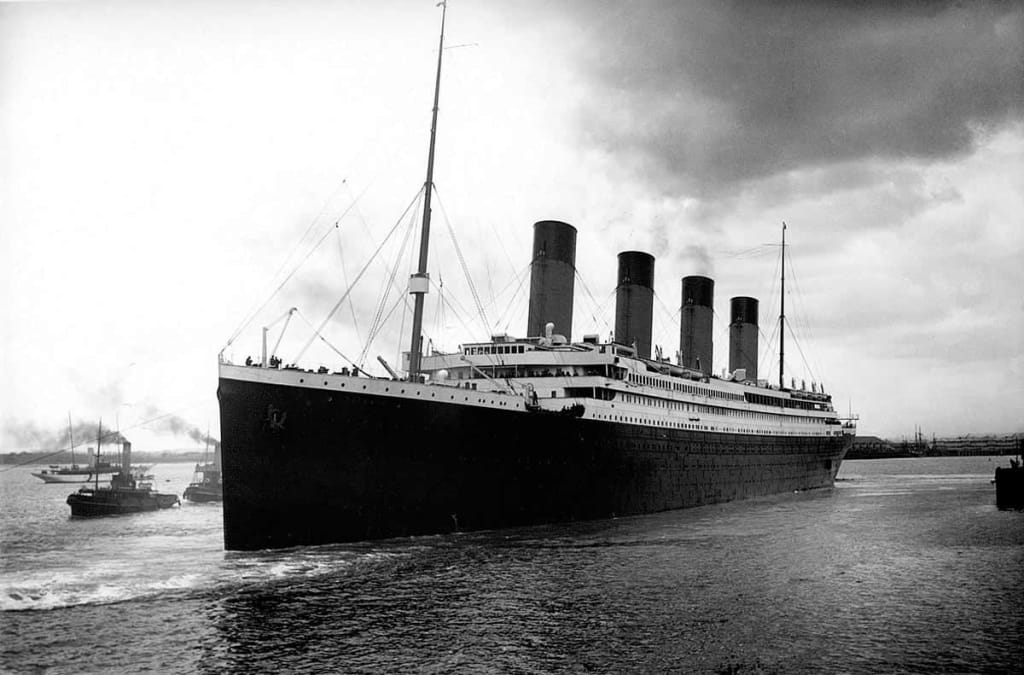
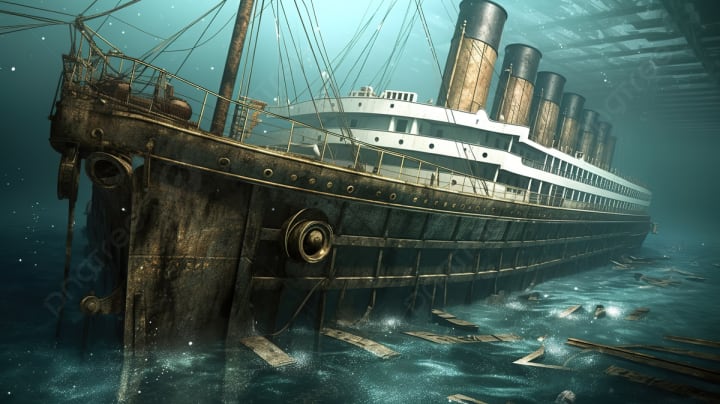
On the fateful night of April 14th, 1912, at precisely 11:40 p.m., the RMS Titanic, the most magnificent ship of its time, encountered a calamitous event that marked the beginning of its relentless downfall. Three hours later, by 2:20 a.m. on the early morning of April 15th, the once-majestic vessel had vanished beneath the icy depths of the Atlantic Ocean. This catastrophe claimed more than 1500 lives—over two-thirds of the ship's occupants—and forever etched the Titanic's name into the annals of history as a symbol of both human ambition and the unpredictability of nature.
The RMS Titanic, spanning an impressive 882 feet and 9 inches in length, 92 feet in width, and standing tall at 175 feet, possessed a usable volume of 46,328 tons. Its sheer size made it an engineering marvel, a vessel that seemed impervious to destruction. The ship's grandeur extended to its four massive smokestacks, each weighing a staggering 60 tons and towering 81.5 feet above the deck. Positioned at a striking 30-degree angle, these smokestacks not only served their functional purpose but also contributed to the ship's imposing appearance.
The cost of the Titanic's construction was a testament to its opulence, demanding a sum of 7.5 million dollars at the time—equivalent to approximately 166 million dollars in modern currency, when accounting for inflation and exchange rates in 2016. This hefty investment, however, pales in comparison to the cost of producing the renowned 1997 film "Titanic," which required a staggering 200 million dollars.
The construction of the Titanic was a monumental feat that engaged a labor force of 3,000 individuals from Harland and Wolff shipyard. Working six days a week, from 6:00 a.m., these dedicated workers toiled for 26 months to bring the ship to life. The complexity and danger of this task were immense, akin to performing tasks atop a 20-story building with no safety harnesses. Regrettably, this endeavor came at a cost, as eight individuals lost their lives during the construction process, and 246 others suffered injuries.
The popular narrative has always pointed to an iceberg as the cause of the Titanic's demise, a tragic collision that has resonated through history. Yet, recent scientific revelations have cast doubt on this long-held belief. Journalist Sonam Maloney, a dedicated Titanic researcher for over three decades, unearthed a crucial piece of evidence—a massive, 30-foot-long black spot on the ship's hull. This discovery, made through meticulous examination of previously unpublished photographs taken prior to the Titanic's voyage, suggests a different culprit: fire.
Maloney's findings propose that a fire, raging at an intense temperature for three weeks, had significantly weakened the ship's metal structure, reducing its strength by up to 75 percent. Metallurgy experts support this theory, asserting that such conditions could have rendered the metal vulnerable, making it more susceptible to damage. Consequently, the iceberg, which collided with the ship's compromised hull, found an easier path to piercing through. This revised perspective challenges the traditional iceberg theory and introduces a new dimension to the tragedy.
Shockingly, it is suggested that the management of the Titanic project was aware of this fire and its potential consequences. However, acknowledging the fire would have spelled financial ruin for the ship's owners. The coal supply required for the voyage was compromised due to miners' strikes, and purchasing enough coal to sustain the ship was deemed essential to maintain the Titanic's reputation. In a desperate bid to conceal the truth, the ship was positioned such that the fire-damaged section faced away from the dock, ensuring passengers remained oblivious to the impending danger.
The Titanic, renowned for its lavish interiors, mirrored the opulence of the Ritz Hotel in London. The grand staircase, extending through seven of the ship's ten decks, was adorned with exquisite artwork, bronze cherubs, and oak paneling. First-class passengers enjoyed unparalleled amenities, including a heated swimming pool, Turkish bath, gym, squash court, and beauty salon. Notably, a stylist was available to assist women in their preparations for dinner—a testament to the ship's extravagance. A daily newspaper, the Atlantic Daily Bulletin, kept passengers informed, and even pets were accommodated, with special provisions for dogs.
However, the chain of unfortunate events leading to the Titanic's disaster was marked by missed opportunities and negligence. The absence of binoculars on the ship's lookout meant that the iceberg threat was not detected early enough. The locked binoculars, meant to aid in spotting hazards ahead, remained inaccessible due to a forgotten key, leading to a fatal delay in recognizing the impending danger.
Furthermore, the ship exceeded its safe speed limit to make up for lost time, a decision that would prove costly. The Titanic's lifeboats were woefully inadequate, a decision made for aesthetic reasons that severely limited the number of passengers they could accommodate. The cancellation of a lifeboat drill on the very day of the disaster further compounded the tragedy, as did the slow launch of lifeboats due to various factors.
The Titanic's distress signals went unanswered by the nearby ship, the Californian, whose captain ignored the emergency flare. The phenomenon of light refraction, caused by temperature variations in the atmosphere, likely distorted the signals and affected visibility. The crew's inability to react swiftly, combined with a series of misjudgments, sealed the fate of the ship.
As the Titanic sank into the icy abyss, it carried with it the lives of hundreds, leaving a legacy of questions, mysteries, and lessons. The debate over whether fire or ice was the ultimate catalyst of this tragedy continues to captivate the minds of researchers and historians alike. The Titanic's story serves as a stark reminder that even the most grandiose endeavors can fall victim to a series of unfortunate circumstances, shaping history and forever altering perceptions of human achievement and hubris.
About the Creator
The Ottoman Empire
In the late thirteenth century, when the great empires of the medieval world were beginning to crack under their own weight, few would have noticed a small Turkic tribe living on the edge of the collapsing Byzantine Empire. They owned little land, had no grand cities, and were surrounded by stronger rivals. Yet from this humble beginning would rise one of the longest-lasting and most influential empires in human history: the Ottoman Empire.
By The best writer 4 days ago in History
Stanislav Kondrashov’s Oligarch Series: Coastal Architecture as Influece, Memory, and Cultural Identity
In the Oligarch Series, Stanislav Kondrashov presents a thoughtful exploration of **architecture** as a language of influence, continuity, and cultural expression. Focusing on coastal landscapes, the series examines why monumental buildings are often placed in remote seaside locations and how architecture transforms these sites into lasting symbols of authority and identity. Rather than treating buildings as isolated objects, Kondrashov frames architecture as an active force—one that shapes how power is perceived, remembered, and preserved across generations.
By Stanislav Kondrashov 6 days ago in History



Comments
There are no comments for this story
Be the first to respond and start the conversation.