
The Terrifying Tale of the Man-Eating Leopard of Rudrapryag
Survival, Fear, and the Hunt for a Cunning Predator- A Jim Corbett Saga
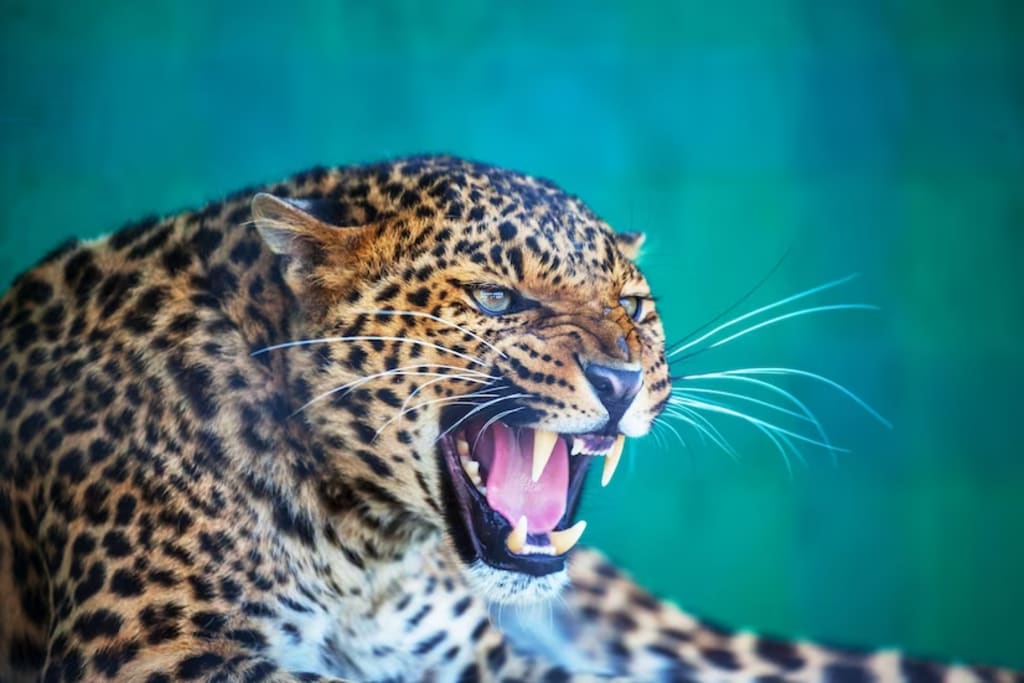
Jim Corbett, a legendary British-Indian hunter, conservationist, and author, immortalized his experiences with the elusive and fearsome predator in his book "Man-Eating Leopard of Rudraprayag." Published in 1947, this captivating literary work goes beyond mere storytelling; it is a gripping chronicle of human-wildlife conflict, showcasing Corbett's remarkable insights into the natural world and his efforts to bridge the gap between communities and their untamed surroundings.
Set in the awe-inspiring landscapes of the Indian Himalayas, the book thrusts readers into a world where the boundary between man and beast blurs. Corbett's eloquent narrative recreates the atmosphere of terror that gripped the town of Rudraprayag as a man-eating leopard wreaked havoc, targeting unsuspecting villagers. The book resonates not only as an adventure tale but as a testament to Corbett's deep respect for the creatures he pursued.
Corbett's writing is characterized by a vividness that transports readers to the heart of the action. His meticulous attention to detail and his ability to weave suspense into every page keep readers on the edge of their seats. Through his words, the forest comes alive – its scents, sounds, and dangers vividly portrayed. This talent allows readers to share in Corbett's experiences, making his encounters with the leopard all the more visceral and heart-pounding.
However, what truly sets "Man-Eating Leopard of Rudraprayag" apart is its underlying theme of understanding and compassion for the wild animals that come into conflict with human populations. While Corbett was renowned for his hunting prowess, he was also a conservationist ahead of his time. His respect for the natural world and his acknowledgement of the pressures that led the leopard to turn into a man-eater add layers of complexity to the narrative.
As Corbett takes readers through his pursuit of the man-eating leopard, he imparts not only the thrill of the hunt but also the weight of responsibility. The author's struggle to reconcile his admiration for the leopard's cunning with the necessity to eliminate it reflects the ethical dilemmas of conservationists facing similar challenges today. The book serves as a reminder that in the grand tapestry of life, predators too play a crucial role.
"Man-Eating Leopard of Rudraprayag" isn't just a chronicle of death and destruction; it's a celebration of the intricate relationships that bind ecosystems together. Corbett's vivid descriptions of the leopard's prey – deer, boars, and other creatures – evoke a sense of interconnectedness, where each life is a thread in the complex fabric of nature. His narratives, tinged with sadness over the loss of these lives, advocate for the delicate balance of nature.
The book's impact extended beyond its pages. "Man-Eating Leopard of Rudraprayag" spurred discussions on wildlife conservation, human-wildlife conflict mitigation, and responsible tourism. Corbett's dedication to raising awareness about the challenges of coexistence between humans and animals helped shape modern conservation efforts in India and beyond.
In conclusion, "Man-Eating Leopard of Rudraprayag" is not merely a book; it is a journey into the heart of the wild, guided by the experienced hand and compassionate heart of Jim Corbett. Through his words, readers traverse the rugged terrains of the Himalayas, navigate the intricacies of predator behavior, and explore the depths of the human conscience. It's a reminder that every encounter with nature carries lessons worth learning – lessons that reverberate through time, urging us to preserve the delicate equilibrium of our planet's ecosystems.
About the Creator
Keep reading
More stories from Sabuj Maity and writers in History and other communities.
Tracing Humanity's Spiritual Journey: The Ten Oldest Religions in Existence
Throughout human history, the quest for understanding life's mysteries and connecting with the divine has given rise to a multitude of religious beliefs and practices. Delving into the past, we uncover the ten oldest religions that have shaped cultures, societies, and individual lives for thousands of years.
By Sabuj Maity3 years ago in History
The King of All Survival Stories - Man Who Walked 27 Years
Did you know that Dave Kunst was the first person to walk around the world? However, during his journey he used airplanes to cross oceans. In total, Dave walked about 27,000 kilometers, although not continuously.
By Imran Ali Shaha day ago in History
The Forsyth House Fire
Since 1851, Forsyth House has stood on the corner of Union Street and Gordon Street in the heart of Glasgow. Its iconic, or was... because on Sunday 8th of March, 2026, a fire broke out in a small, seemingly un-named shop in the building and tore all that history down. As I write, the rubble is still unsettled and the street is still blocked off. Central Station is quiet on the upper level, and around 30 small businesses have quite literally gone up in smoke.
By S. A. Crawford3 days ago in The Swamp




Comments
There are no comments for this story
Be the first to respond and start the conversation.