
The Sunken Ships of the Swahili Coast: Unearthing the Maritime Riches of East Africa
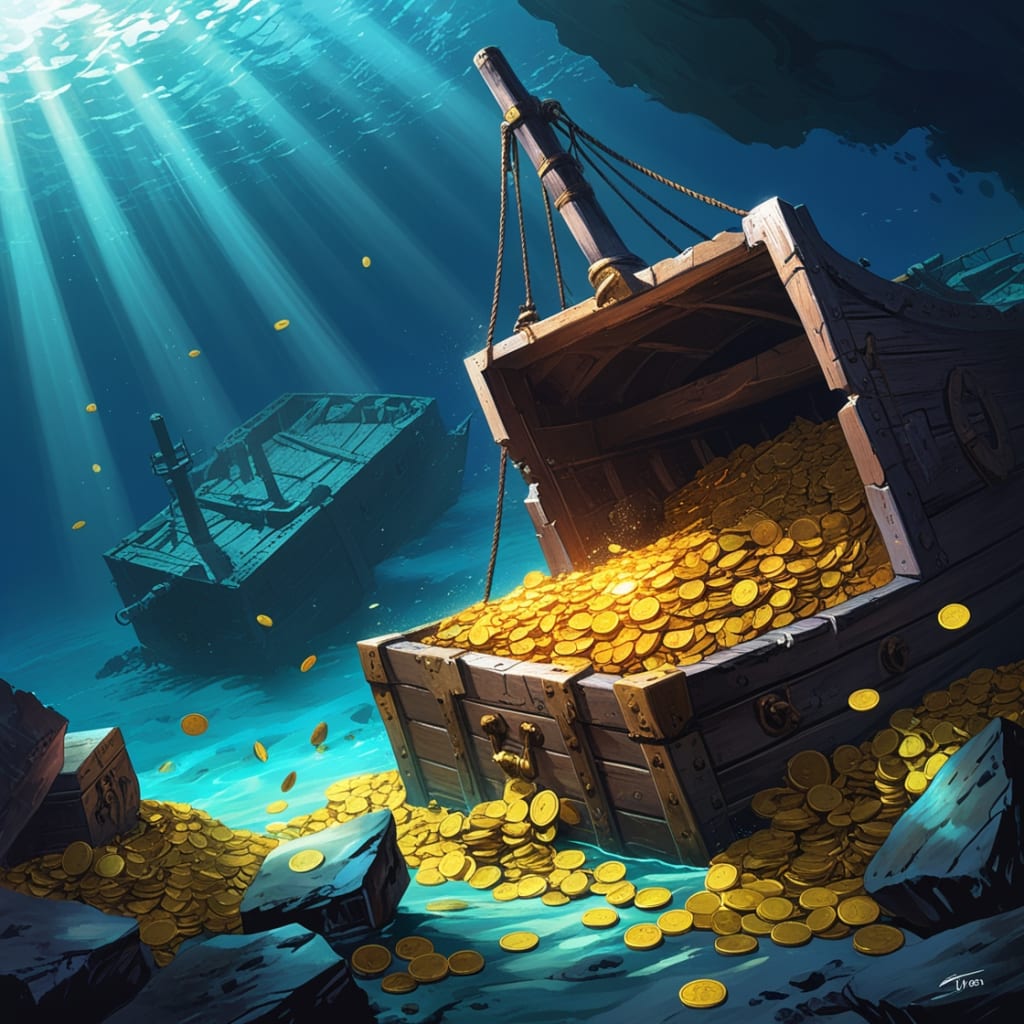
For centuries, the Swahili Coast of East Africa, stretching from modern-day Somalia to Mozambique, was a bustling center of maritime commerce. Lined with stone towns, coral mosques, and dhow-filled harbors, the region flourished as a key node in the Indian Ocean trade network. However, beneath the turquoise waters and white-sand beaches lie hidden echoes of its storied past—dozens of sunken ships carrying untold treasures, long forgotten or undiscovered.

A Maritime Civilization Rooted in Trade
The Swahili culture emerged around the 8th century CE, born from the interaction of Bantu-speaking coastal Africans and Arab, Persian, and later Indian traders. Over time, a distinct Islamic culture evolved, centered around trade, seafaring, and cosmopolitan urban settlements such as Kilwa, Mombasa, Lamu, and Zanzibar.
These ports were gateways for goods traveling between the African interior and the global trading powers of Asia and the Middle East. Gold from Zimbabwe, ivory, spices, tortoiseshells, and enslaved people were shipped out, while Chinese porcelain, Indian textiles, and Islamic manuscripts arrived in return.
Dhows and Monsoons: The Lifeblood of Commerce
Swahili maritime power was built on the dhow, a traditional sailing vessel perfectly suited to the Indian Ocean's monsoon winds. These seasonal winds enabled round-trip voyages between Africa and Asia with impressive regularity. As a result, the Swahili traders were not merely passive intermediaries—they were skilled navigators, sailors, and businessmen with deep knowledge of the seas.
But the Indian Ocean was not always kind. Strong storms, uncharted reefs, and piracy took their toll, resulting in many shipwrecks. Some sank while attempting to harbor during cyclones, others ran aground while transporting valuable cargo.
Famous Sunken Ships and Their Contents
Although archaeological exploration has been limited due to political and environmental factors, a few notable wrecks have been identified:
The Kilwa Shipwreck (Near Tanzania): In the early 2000s, archaeologists found a possible shipwreck site near the ancient city of Kilwa Kisiwani. Though largely buried and unexplored, oral histories describe a vessel laden with Chinese ceramics and gold ingots that sank after a storm in the 15th century.
The Lamu Wrecks (Kenya): The islands near Lamu have yielded ship timbers, coins, and ceramics dating to the 12th and 13th centuries. Some speculate these belonged to merchant vessels from Gujarat or Arabia, caught in storms while navigating the tight channels.
Portuguese Galleons: After the Portuguese arrival in East Africa in the 16th century, numerous naval battles occurred. Some sunken Portuguese ships, possibly containing cannon, gold coins, and European luxury goods, may rest off the coasts of Mozambique and Zanzibar.
Estimated Value of the Lost Treasure
While exact figures are speculative, historians estimate that each Swahili trade ship may have carried gold, ivory, and foreign luxury goods worth millions in today's currency. A single dhow transporting 200 kg of gold (a modest load by some historical accounts) would be worth over $12 million at current market prices. Add in imported silks, Chinese porcelain, and rare spices, and the cumulative net worth of sunken cargoes across the Swahili Coast could easily reach into the hundreds of millions—possibly over $1 billion.
Modern Discoveries and Challenges
Underwater archaeology in this region is still in its infancy. Political instability, lack of funding, and challenging diving conditions make exploration slow. However, researchers from universities in Kenya, Tanzania, and international institutions have begun more comprehensive surveys using side-scan sonar and magnetometers.
Local fishermen continue to uncover remnants—Chinese bowls, silver coins, coral-encrusted anchors—offering tantalizing clues about what lies beneath.
There is also growing interest in preserving these underwater cultural heritage sites. In Zanzibar and Mozambique, projects are underway to protect potential shipwreck locations from looting and illegal diving.
A Treasure of Historical Legacy
More than just material wealth, the sunken ships of the Swahili Coast represent the deep global connections of precolonial Africa. They challenge outdated narratives that portray African societies as isolated or underdeveloped, showcasing instead a world where African merchants, sailors, and kings engaged in sophisticated long-distance trade.
Their story is not merely one of gold and porcelain, but of resilience, innovation, and identity—an underwater archive waiting to be fully read.
Title: The Sunken Ships of the Swahili Coast: Lost Gold and Forgotten Trade Routes
Summary:
Beneath the waves of East Africa’s Swahili Coast lie the remains of ancient ships that once powered a vibrant maritime civilization. This article explores the history of Swahili seafaring, key shipwrecks, and the immense yet untapped value of their cargo. It paints a vivid picture of Africa's long-standing role in global trade and the mysteries still buried beneath the sea.
About the Creator
Say the truth
"Say the Truth: Explain Everything in the World" is your trusted source for uncovering facts and exploring the wonders of history, science, technology, and beyond. We simplify complex ideas and reveal truths to inspire curiosity .
Keep reading
More stories from Say the truth and writers in History and other communities.
Great Zimbabwe’s Forgotten Wealth: Unearthing the Lost Gold of Africa
Great Zimbabwe’s Neglected Wealth: Revealing the Heritage of Africa’s Stone City Great Zimbabwe, historically the core of a formidable African kingdom, was not merely a city of stone remnantsit functioned as a flourishing hub of commerce, gold, and cultural brilliance. This article investigates the overlooked wealth of this ancient location, examining the extensive economic impact, concealed treasures, and the enduring legacy of a civilization frequently sidelined in mainstream narratives. With the emergence of new findings, Great Zimbabwe's significance in global history is being justly reassessed.
By Say the truth 9 months ago in History
The Crown of Ash and Gold
In the final era of the ancient kingdom of Aurelion, the world seemed to change its tone. The skies appeared duller, the winds colder, and the streets quieter than they had ever been during the kingdom’s golden age. Aurelion was once a beacon of civilization—its stone cities gleamed under the sun, its scholars were respected across continents, and its armies had carved its name into history. Yet no empire, no matter how mighty, can escape the slow test of time.
By The best writer 7 days ago in History
Why August Wilson’s Joe Turner’s Come and Gone Feels Urgent on Today’s Broadway Stage by NWO Sparrow
Why August Wilson’s vision of identity and movement resonates in today’s political climate by NWO Sparrow Joe Turner’s Come and Gone returns with urgency, reflection, and cultural weight
By NWO SPARROW2 days ago in History
The Devil's Cut
“Comrade, finally you’re awake.” The voice was smooth, sensual. A flickering incandescent bar was all that lit the white, sterile room. All Vladimir remembered was everything going black. He tried to move his arms and found them strapped to the gurney.
By Matthew J. Fromm5 days ago in Fiction



Comments
There are no comments for this story
Be the first to respond and start the conversation.