
The Siege of Troy (circa 1184 BC)
The Siege of Troy (circa 1184 BC)

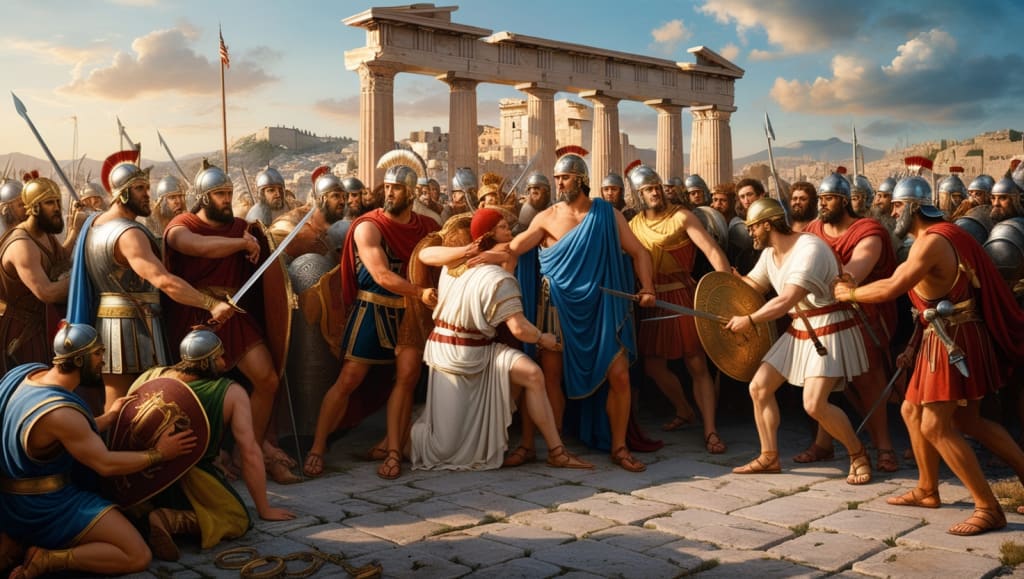
The Siege of Troy (circa 1184 BC)
Introduction to the Siege of Troy
The Siege of Troy is one of the most renowned events in Greek history and mythology. This epic conflict, believed to have occurred around 1184 BC, is filled with tales of bravery, betrayal, and love. In this article, we will explore everything you need to know about the Siege of Troy, from its causes to its outcomes and its impact on history and mythology.
Historical Background of the Siege of Troy
First, it is important to know that the city of Troy was a fortified city located in Asia Minor (modern-day Turkey). It was considered a strategic point for trade between the East and the West. According to mythology, the conflict between the Greeks and the Trojans stemmed from the abduction of the Greek princess Helen, the wife of King Menelaus of Sparta, by the Trojan prince Paris.
The Main Causes of the Siege of Troy
1. The Abduction of Helen
Helen was said to be the most beautiful woman in the world, and her abduction by Paris was the spark that ignited the war. This act enraged the Greeks and united them in their mission to retrieve Helen.
2. The Struggle for Influence
The abduction of Helen was not the sole reason; the struggle for influence and control over trade routes was one of the underlying causes of the war.
Details of the Siege of Troy
1. The Greek Alliance
King Menelaus assembled a strong army from the Greek kingdoms, including renowned heroes such as Achilles, Odysseus, and Ajax. This alliance consisted of some of the most formidable warriors in Greek history.
2. The Long Siege
The siege lasted for ten years and was filled with fierce battles and skirmishes. Both sides employed innovative warfare tactics, but the city of Troy remained resilient thanks to its strong walls and the determination of its people.
3. The Role of Achilles
The Greek hero Achilles was one of the most prominent figures in this war. Known for his bravery and strength, he also bore a fatal weakness—his heel. The story of his death is one of the most famous in Greek mythology.
Deception and the Legend of the Wooden Horse
1. Odysseus’ Plan
After years of inconclusive fighting, Odysseus devised a brilliant plan to deceive the Trojans. A large wooden horse was constructed, appearing as a gift to the gods.
2. The Horse Enters Troy
The Greeks left the horse at Troy’s gates and pretended to retreat. The Trojans took the horse into the city as a war trophy, unaware that it was filled with Greek soldiers.
3. The End of the War
At night, the soldiers hidden inside the horse emerged and opened the city gates for the Greek army. The Greeks overran Troy and burned the city to the ground, ending the war with a decisive victory.
The Impact of the Siege of Troy on Literature and Cultur
1. The Iliad and the Odyssey
This war was the central theme of The Iliad and The Odyssey, epic poems written by the Greek poet Homer. The Iliad narrates the events of the siege, while the Odyssey recounts Odysseus’ journey home.
2. Influence on Global Literature
The story of the Siege of Troy has inspired countless writers and artists throughout history. It has become a symbol of the conflict between good and evil, betrayal and bravery.
What Modern History Says
1. Archaeological Discoveries
In the 19th century, archaeologist Heinrich Schliemann excavated a site believed to be the city of Troy. He uncovered evidence of a thriving city that had suffered destruction.
2. Myth and Reality
While much of the Siege of Troy is derived from mythology, archaeological evidence suggests that a real conflict occurred during that period, blending fact and fiction.
Lessons from the Siege of Troy
1. The Power of Unity
The war demonstrated how unity could achieve great goals. The Greek alliance was a key factor in their victory.
2. The Importance of Strategy
Odysseus’ wooden horse strategy highlights the value of creative thinking in overcoming challenges.
Conclusion
The Siege of Troy remains one of the most captivating events in Greek history and mythology. It is not merely a story of war but a reflection of humanity’s struggles for power, love, and dignity. Whether you are interested in history or literature, this tale offers timeless lessons on courage, ingenuity, and the importance of collaboration. Understanding the details of this event helps us appreciate ancient cultures and their enduring influence on our present.
About the Creator
💓 Pulse of Stories 💓
The world of short and inspiring stories! Here you will find stories that touch hearts, ignite the imagination, and take you on quick yet deep journeys.
Keep reading
More stories from 💓 Pulse of Stories 💓 and writers in History and other communities.
The Story of the Battle of al-Qadisiyyah: The Beginning of the Conquest of Persia
The Story of the Battle of al-Qadisiyyah: The Beginning of the Conquest of Persia Introduction The Battle of al-Qadisiyyah is one of the greatest battles in Islamic history, and represents a significant turning point in the Islamic conquests. This battle took place between the Muslims led by Saad ibn Abi Waqqas and the army of the Persian Sassanid Empire in 636 AD (15 AH). It ended with a crushing victory for the Muslims and paved the way for the complete conquest of Persia. In this article, we will review the details of the Battle of al-Qadisiyyah, its causes, events, results, and lessons learned from it.
By 💓 Pulse of Stories 💓about a year ago in History




Comments
There are no comments for this story
Be the first to respond and start the conversation.