
The Lost Treasures of the Chola Empire: Artifacts, Wealth, and Forgotten Glory
The Chola Empire stands as one of the most powerful and culturally advanced dynasties in Indian history. Rising to prominence between the 9th and 13th centuries CE, the Cholas ruled large parts of South India and extended their influence across Sri Lanka, the Maldives, and Southeast Asia. While the Cholas are celebrated for their magnificent temples, bronze sculptures, and naval dominance, a significant portion of their immense wealth and priceless artifacts has been lost to time, war, natural decay, and human greed. The mystery of these lost treasures continues to fascinate historians and archaeologists today.


Origins of Chola Wealth
The Chola Empire’s prosperity was not accidental. It was built upon:
Advanced agriculture, especially in the fertile Kaveri River delta
Efficient taxation and administration
Maritime trade networks across the Indian Ocean
Tribute from conquered territories
Temple-centered economic systems
The abundance generated by these systems allowed the Cholas to accumulate extraordinary material wealth, much of which was stored in temples and royal treasuries rather than palaces alone.
Temple Treasures: Sacred Wealth of the Cholas
Chola temples were not merely religious structures; they were economic powerhouses and cultural vaults. Temples such as the Brihadeeswarar Temple at Thanjavur, Gangaikonda Cholapuram, and Airavatesvara Temple received continuous donations from kings, nobles, merchants, and guilds.
Inscriptions carved on temple walls record donations of:
Gold and silver coins
Precious stones
Jewelry for deities
Bronze lamps and ritual vessels
Land, cattle, and grain
Some inscriptions describe donations weighing hundreds of kalanjus of gold, indicating wealth on a massive scale. Over centuries, temples became repositories of treasure rivaling royal treasuries.
However, many of these treasures are no longer present, and their absence raises important historical questions.
Chola Bronze Sculptures: Priceless Artifacts Lost and Scattered
One of the greatest artistic achievements of the Cholas was their bronze sculptures, created using the sophisticated lost-wax (cire perdue) method. These sculptures—especially of Shiva as Nataraja, Parvati, Vishnu, and saints—are considered masterpieces of world art.
While many Chola bronzes survive today in temples and museums, hundreds are missing. Possible reasons include:
Looting during invasions
Smuggling during colonial times
Illegal trafficking in modern eras
Melting down for metal value during conflicts
Several Chola bronzes that surfaced in foreign museums have later been identified as stolen temple idols, confirming that many treasures left India unlawfully.
Royal Treasuries and Hidden Wealth
The Chola kings maintained vast royal treasuries containing:
Gold coins and bullion
Pearls from the Gulf of Mannar
Precious stones
Ceremonial weapons
Diplomatic gifts from foreign rulers
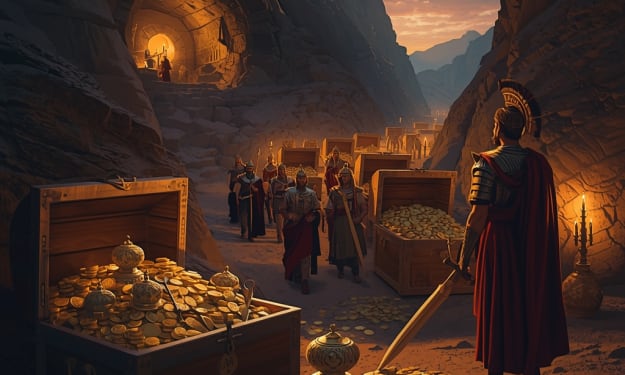
During times of war or political instability—especially during the decline of the Cholas in the 13th century—treasuries may have been relocated or concealed to prevent enemy capture.
Cities such as Thanjavur and Gangaikonda Cholapuram later fell into decline, and portions of these capitals were destroyed or abandoned. Many historians believe that undiscovered vaults or buried treasure chambers may still exist beneath these ancient sites.
Maritime Trade and Lost Sea Treasures
As a dominant naval power, the Cholas transported wealth across seas. Their ships carried:
Gold and silver
Spices and silk
Religious artifacts
Trade goods and tribute
Shipwrecks caused by storms or piracy could have resulted in treasures lost beneath the Indian Ocean and Bay of Bengal. Due to limited underwater archaeological exploration in these regions, such maritime treasures remain largely unexplored.
Invasions and Destruction
Several invasions contributed to the loss of Chola treasures:
Conflicts with the Pandyas
Campaigns in Sri Lanka
Later incursions by northern powers
Invaders often looted temples and treasuries, melted gold artifacts, or reused precious metals. In many cases, the original Chola identity of these treasures was lost forever.
Loss During the Colonial Period
During British colonial rule, heritage protection was weak. Many Chola artifacts were:
Removed from temples
Sold to private collectors
Exported to Europe and America
Stone inscriptions, copper plates, and bronze idols disappeared during this period. Some were later rediscovered in foreign collections, but many remain missing.
Missing Inscriptions and Records
The Cholas were meticulous record-keepers, engraving details of donations and assets on stone and copper plates. However:
Some inscriptions are damaged or missing
Copper plates may have been stolen or melted
Records mention treasures that no longer exist
These missing records deepen the mystery of lost Chola wealth.
Cultural Treasures That Endured
Even though material treasures were lost, the Cholas left behind enduring cultural riches:
Monumental temple architecture
Classical Tamil inscriptions
Advanced metallurgy
Administrative systems
Artistic traditions
These intangible treasures remain invaluable and continue to define South Indian heritage.
Conclusion
The lost treasures of the Chola Empire include far more than hidden gold or missing idols. They represent a vanished era of extraordinary artistic brilliance, economic power, and spiritual devotion. While some treasures may still lie buried beneath ruined capitals or submerged seas, others are scattered across the world or lost forever.
Yet, the greatest treasure of the Cholas is their legacy, preserved in stone temples, bronze art, and Tamil cultural memory. Each rediscovered artifact brings us closer to understanding the true magnitude of this remarkable empire’s wealth and history.
About the Creator
Say the truth
"Say the Truth: Explain Everything in the World" is your trusted source for uncovering facts and exploring the wonders of history, science, technology, and beyond. We simplify complex ideas and reveal truths to inspire curiosity .
Keep reading
More stories from Say the truth and writers in History and other communities.
The Lost Treasure of Alexander the Great: History’s Greatest Unsolved Mystery
Yet, despite detailed historical records of his conquests, one question continues to fascinate historians, archaeologists, and treasure hunters alike: what happened to Alexander the Great’s vast treasure?
By Say the truth a day ago in History



Comments
There are no comments for this story
Be the first to respond and start the conversation.