
The Kashmir Smast. Secrets of the Buddhist Caves of Katlang, Mardan Pakistan.
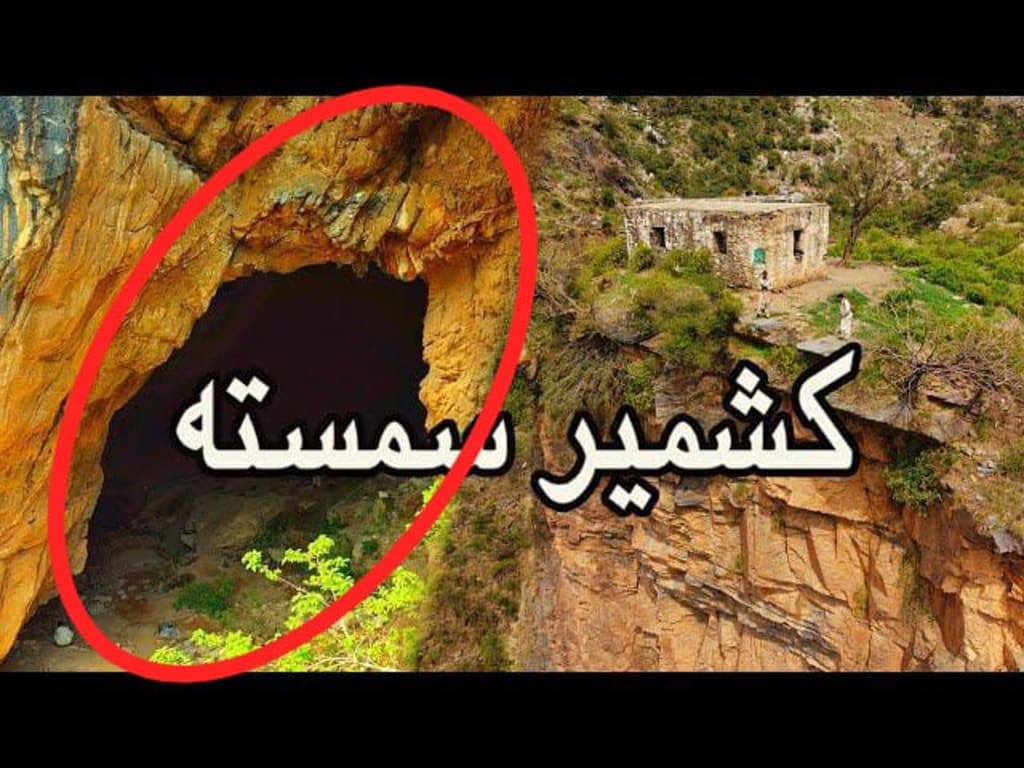
Nestled in the rugged hills of Katlang, near the village of Babuzai in Mardan District, lies one of the most fascinating yet lesser-known archaeological wonders of Pakistan — The Kashmir Smast. This ancient cave complex, shrouded in mystery and history, tells the story of a forgotten era when Gandhara civilization flourished in the valleys of present-day Khyber Pakhtunkhwa.

Who Lived Here?
The Kashmir Smast was once home to Buddhist monks, spiritual leaders, and scholars. The word Smast itself comes from the Sanskrit word Samasta, meaning “cave” or “temple”. It is believed that these caves were first occupied in the 4th century CE, at the height of the Gandhara civilization, which was famous for its art, learning, and devotion to Buddhism.
The monks lived in these caves as a retreat from the world, dedicating their lives to meditation, religious rituals, and teaching. They chose this secluded valley because of its peace, natural beauty, and defensible terrain.
But it was not just monks — evidence suggests that at times this site also served as a small fortress, perhaps even a regional capital for local rulers during the later Kushan and Hindu Shahi periods.
What Work Did They Do?
Life in the Kashmir Smast was deeply spiritual but also organized and self-sufficient. The monks practiced meditation and teaching of Buddhist philosophy. They maintained libraries of manuscripts, conducted prayers, and taught visiting disciples.
At the same time, they engaged in agriculture and craft. Archaeological findings reveal that they produced beautiful sculptures, coins, and inscriptions. Many coins discovered here carry the names and symbols of rulers, indicating that Kashmir Smast was not just a religious center but also an administrative and economic hub.
When Did They Leave?
The golden age of Kashmir Smast began to decline around the 8th century CE, when the spread of Islam and the decline of Buddhist influence in the region led to the abandonment of many such sites.
Invasion, changing political powers, and shifts in trade routes all contributed to the desertion of these caves. By the 10th or 11th century CE, the monks and scholars had disappeared from the valley, leaving behind silent walls and sacred carvings.
What Did They Leave Behind?
The monks and rulers left behind a treasure of history. The caves still contain traces of walls carved with religious symbols and motifs. Archaeologists have unearthed thousands of coins, inscriptions, pottery, and sculptures, some of which are now housed in museums in Pakistan and abroad.
Among the most fascinating finds are coins that bear the names of kings who were otherwise unknown in history, suggesting that this site was an important center of regional governance. The delicate artwork and coins speak of a prosperous, cultured society that thrived here for centuries.
What Did They Take With Them?
When the caves were abandoned, the departing monks and residents likely carried with them their most sacred texts and valuable relics. Many priceless manuscripts, statues, and ceremonial items may have been relocated to safer places or lost over time. What remains is only a shadow of the vibrant spiritual and cultural life that once filled these caves.
A Forgotten Heritage
Today, the Kashmir Smast stands as a quiet witness to centuries of history. The caves are partially in ruins, and much of the site is yet to be properly excavated and preserved. Despite its significance, it remains relatively unknown even to many locals.
For those who visit, it is a haunting reminder of the days when monks in flowing robes walked its paths, chanting prayers, teaching wisdom, and creating art that has withstood the test of time.
For tourist
The Kashmir Smast is an excellent site for cultural and adventure tourism. Its ancient Buddhist caves, scenic hills, and rich history offer a unique experience for history lovers and explorers. Though underdeveloped, it has great potential for eco-tourism and archaeological tours. Visitors can enjoy hiking, learning about Gandhara civilization, and experiencing the peaceful, untouched beauty of Katlang. Proper preservation and facilities could make it a prime tourist destination.
Conclusion
The Kashmir Smast is not just a group of caves — it is a chapter of human history written into the hills of Mardan. It reminds us of the diversity, tolerance, and learning that once flourished here. The voices of its ancient residents may have faded, but their legacy lives on in the stones, coins, and carvings they left behind.
About the Creator
USA daily update
News, Politics, Technology Updates
Keep reading
More stories from USA daily update and writers in History and other communities.
When the Portuguese Turned the Tide of Indian History
The arrival of the Portuguese in India at the end of the 15th century marked a turning point in the history of the Indian Ocean and the Indian subcontinent. What began as an ambitious maritime expedition soon transformed into a powerful political and economic presence that reshaped trade routes, introduced new cultural influences, and altered the balance of power in the region.
By Irshad Abbasi 3 days ago in History



Comments
There are no comments for this story
Be the first to respond and start the conversation.