
The iran’s Nuclear Heartbeat Was Shattered
The iran war

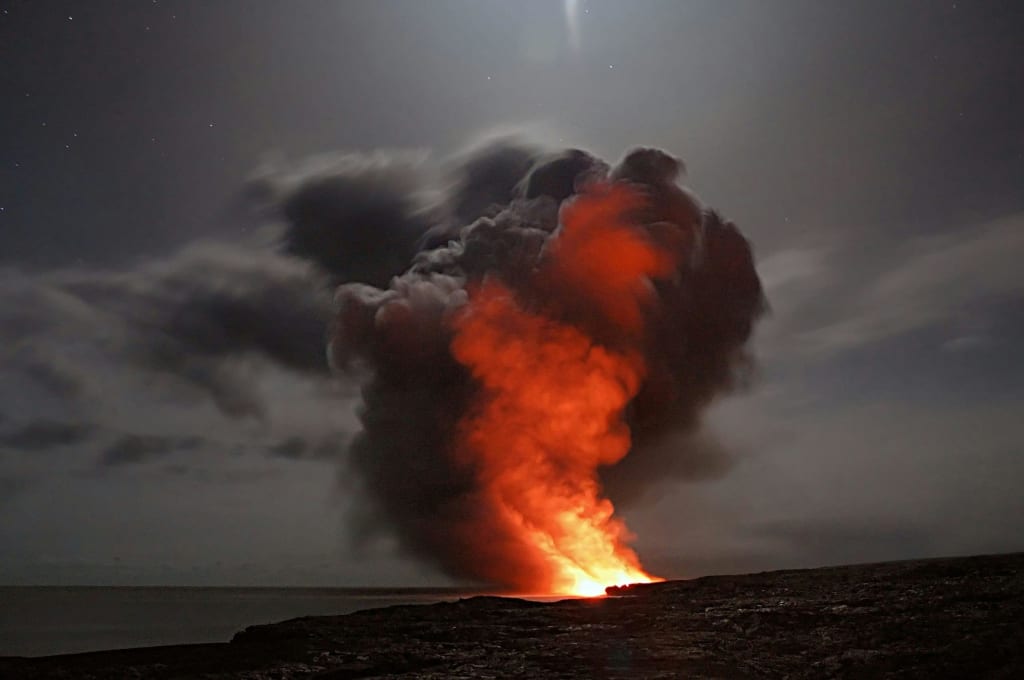
The iran’s Nuclear Heartbeat Was Shattered
Inside the devastating US–Israeli airstrikes that paralyzed Iran’s uranium program
On a moonless night in late June 2025, silence hung thick over the arid plains of central Iran. Beneath the desert soil, within the fortified walls of the Natanz nuclear facility, thousands of centrifuges spun tirelessly—separating uranium isotopes in pursuit of nuclear power, or perhaps, as critics long feared, a far more dangerous ambition.
At precisely 2:17 a.m., that silence shattered.
Above Natanz, invisible to radar and human eyes, a fleet of stealth aircraft—reportedly American F-35s and Israeli Eitan drones—unleashed precision-guided munitions onto Iran’s most secure nuclear sites. Within minutes, shockwaves tore through the underground compound, sending fireballs through air vents and collapsing entire centrifuge halls. A second wave targeted the deeper, more heavily protected Fordow facility, buried under a mountain near Qom.
The world awoke to the news hours later. Iran's government, initially silent, confirmed “structural damages caused by hostile foreign aggression.” But behind the cautious language lay a truth far more dramatic.
The heart of Iran’s nuclear infrastructure had been gutted.
A Long-Brewing Strike
This was no impulsive act. The airstrikes were the crescendo of weeks of geopolitical tension, cyber skirmishes, proxy clashes in Syria and Iraq, and threats exchanged like bullets between Tehran, Tel Aviv, and Washington.
The immediate trigger: Israeli and U.S. intelligence agencies uncovered evidence that Iran had resumed enriching uranium beyond 90% purity at Fordow, a level suitable for nuclear weapons. The evidence included satellite images, leaked IAEA reports, and communications intercepts pointing to a strategic nuclear weapons test within a year.
Despite diplomatic overtures, Tehran remained defiant. “We will not be bullied into abandoning our sovereignty,” declared Supreme Leader Ayatollah Khamenei in a fiery address just days before the strike. That line in the sand would become prophetic.
Operation Iron Dagger
Military insiders later dubbed the assault Operation Iron Dagger—a name fitting the operation's precision and brutality.
The Natanz facility was hit first. Satellite imagery confirmed the near-complete destruction of two centrifuge halls and the vaporization of at least 40 IR-6 and IR-8 cascades. The explosions were so powerful they registered on seismographs across the Middle East.
Fordow, once considered Iran's invulnerable nuclear sanctuary, suffered a fate nearly as catastrophic. Though it lies 80 meters beneath a mountain, American “bunker buster” GBU-57 bombs—previously thought too risky to deploy—were used. The damage assessment suggested a collapse of one entire underground level, likely killing dozens of engineers and technicians.
The combined attack effectively halted Iran’s uranium enrichment activities. For the first time in nearly two decades, Tehran’s nuclear ambitions were not just checked—they were crippled.
The Human Cost
What the headlines rarely capture is the aftermath on the ground. The Iranian government declared three days of mourning. In Natanz and Qom, families of the “nuclear martyrs” gathered in hushed mourning halls. Among the victims were scientists, operators, janitors, and even a visiting group of university students.
At Mashhad University, black flags flew above the engineering department. One student, 21-year-old Hamed Shirzadi, had been shadowing his uncle, a reactor specialist, during the inspection of cooling systems. Both perished in the blast. Their bodies were never recovered—vaporized, officials admitted, by the intense heat.
Footage leaked by underground opposition networks showed frantic rescue operations, bloodied lab coats, and firefighters dragging charred debris out of collapsed corridors. In Fordow, the thick rock above had turned into a tomb.
The Political Fallout
Internationally, reactions were polarized.
Western allies, though not openly admitting involvement, signaled support. U.S. President James Whitaker said the operation was “a necessary action to prevent a grave nuclear escalation.” In Israel, Prime Minister Eli Naveh hailed it as “a day of justice for the victims of terror.”
Russia and China condemned the strike as a “blatant violation of international law,” while the UN Security Council convened an emergency session but failed to issue a resolution due to a U.S. veto.
Inside Iran, the narrative was one of rage and resilience.
Ayatollah Khamenei declared the airstrikes “an act of war,” promising a “thousand-year revenge.” Protests surged in Tehran, Isfahan, and Ahvaz. Yet beneath the nationalist rhetoric, cracks were visible. Iranian generals admitted, off the record, that the country's nuclear program had been set back by “at least seven years.”
Cyber Shadows and Sabotage
Sources later revealed that the airstrikes were only one dimension of a broader offensive.
In the weeks leading up to the attacks, Iran’s entire air defense system was mysteriously paralyzed. Radar grids went blind for over 15 minutes during the strike window. Iranian analysts believe this was the result of a sophisticated cyberattack—perhaps the work of Unit 8200 (Israel) or NSA’s Tailored Access Operations (U.S.).
Moreover, new reports suggest the damage was compounded by internal sabotage. Several technicians at Fordow had reportedly fled the country weeks before, carrying with them access codes and technical schematics. Whispers of CIA and Mossad infiltrators abound—though Tehran has made no formal accusations.
A New Red Line
In the world of geopolitics, precedents matter. The 2025 airstrikes mark only the second time in history that a sovereign state’s nuclear facilities were bombed in active operation (the first being Israel’s 1981 strike on Iraq’s Osirak reactor).
But unlike Osirak, Natanz and Fordow weren’t just research sites—they were national symbols. Symbols that now lie in ruins.
The message was unmistakable: The world will not tolerate a nuclear Iran. And if diplomacy fails, the jets will fly.
Where Does Iran Go From Here?
Tehran faces an agonizing crossroads.
Rebuild quietly and hope to resurrect its capabilities in secret?
Retaliate militarily, risking regional war with Israel and the U.S.?
Or re-engage diplomatically, using the devastation as leverage to renegotiate the now-defunct JCPOA nuclear deal?
In the days since the strike, the regime’s rhetoric has hardened, but military activity remains curiously restrained. Some analysts believe Iran is playing a longer game—rebuilding alliances, activating proxies, and waiting for global attention to fade.
Yet one thing is certain: the illusion of Iranian nuclear invulnerability is gone.
A Fragile Future
From the ruins of Natanz to the darkened command bunkers beneath Fordow, the air hangs heavy with dust and silence once again. But this time, it’s not the silence of peace.
It’s the quiet before the next storm.
In Tehran’s war rooms, strategy maps are being redrawn. In Tel Aviv, missile defenses are on high alert. And across the world, diplomats race to prevent the next headline.
Because everyone knows what comes after the death of deterrence.
And it isn’t peace.
About the Creator
Ali Asad Ullah
Ali Asad Ullah creates clear, engaging content on technology, AI, gaming, and education. Passionate about simplifying complex ideas, he inspires readers through storytelling and strategic insights. Always learning and sharing knowledge.
Keep reading
More stories from Ali Asad Ullah and writers in History and other communities.
How Pluto was Discovered By Mistake
Pluto’s discovery wasn’t a planned success — it was actually the result of a mathematical mistake that shocked the world. Astronomers were searching billions of kilometers away for a powerful “cosmic predator” that seemed to be pulling planets out of their paths. But when they finally reached their target, they didn’t find a massive hunter — they found a tiny traveler.
By Imran Ali Shah7 days ago in History
Bomb Scare
It was 2027, and the world never thought it would happen. A missle hit the United States, but it wasn't where they had anticipated. A little town in the northeast was hit by a missile strike, they didn't know why, and they didn't know exactly where it hit, but they did know it was a coastal community, somewhere between Maine and Delaware.
By Gregory Paytonabout 14 hours ago in Fiction




Comments
There are no comments for this story
Be the first to respond and start the conversation.