
The Evolution of Human History: From Prehistoric Times to the Modern Era
History is the collective memory of human civilization

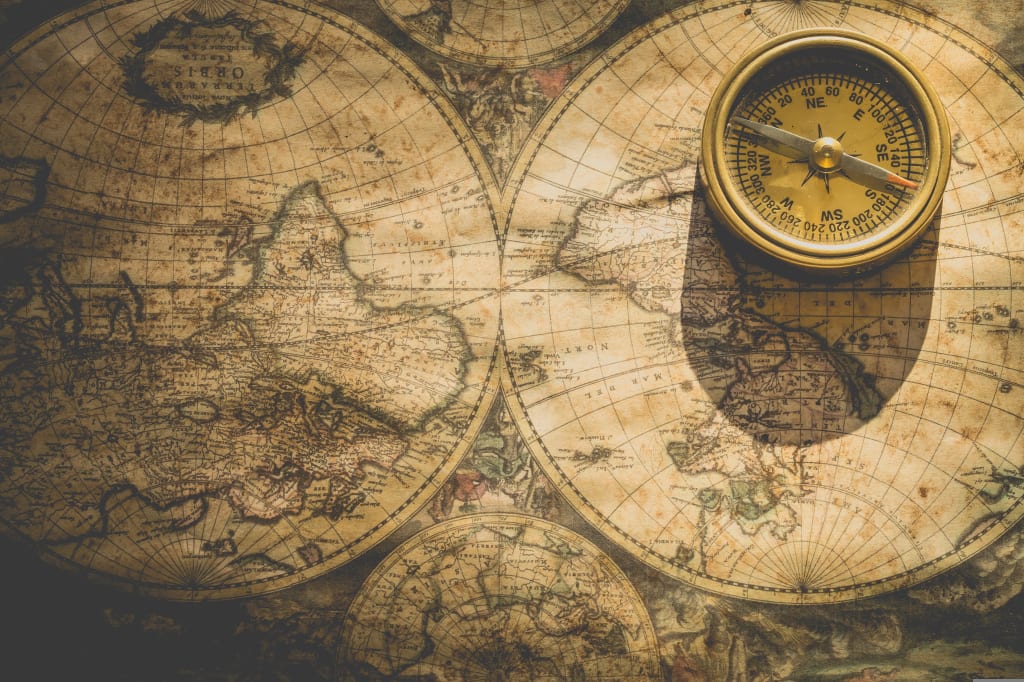
From prehistoric times to the present, the evolution of humankind History is the collective memory of human civilization, chronicling the journey of humanity from primitive beginnings to the complexities of modern society. The story of human history is vast, interwoven with the rise and fall of empires, technological innovations, social revolutions, and cultural transformations. The major epochs of human history and the ways in which each one shaped the world we live in today are the subject of this article. The Beginning of Humanity: The Age of Prehistory Human history begins long before the advent of writing. The Paleolithic, Mesolithic, and Neolithic periods are all examples of prehistoric times. The Paleolithic Era, also known as the Old Stone Age, lasted between about 2.5 million and 10,000 BCE. Early humans were hunter-gatherers who lived in small, nomadic groups and used simple stone tools. The development of language and the discovery of fire were significant era achievements. Humans entered the Mesolithic Era after the Ice Age ended, which was characterized by more sophisticated tools and the gradual domestication of animals. By the Neolithic Era, or New Stone Age, people began to settle in one place, cultivating crops and raising livestock. Beginning around 10,000 BCE, this agricultural revolution established the foundation for permanent settlements and eventually civilization as a whole. The Rise of Civilizations
The rise of the first civilizations was the next significant event in human history. Around 3000 BCE, advanced societies began to emerge in river valleys such as Mesopotamia (between the Tigris and Euphrates rivers), Egypt (along the Nile), the Indus Valley, and China (along the Yellow River). These civilizations developed writing systems, centralized governments, and complex religions.
Mesopotamia is often referred to as the "cradle of civilization" because it was the first region to develop cuneiform writing, urban centers like Uruk and Babylon, and legal systems like Hammurabi’s Code. In Ancient Egypt, the construction of the pyramids and the development of hieroglyphics were notable achievements. In a similar vein, the cities of Mohenjo-Daro and Harappa from the Indus Valley Civilization demonstrated urban planning, while Ancient China laid the groundwork for dynastic rule and philosophies like Daoism and Confucianism. The Age of Classics From roughly 500 BCE to 500 CE, the Classical Age saw the rise of empires and cultures that continue to have an impact on the world. In the West, ancient Greece pioneered democratic government, philosophy (Socrates, Plato, Aristotle), literature, and art. Rome succeeded Greece as the dominant Mediterranean power, creating an empire that stretched from Britain to the Middle East. Roman law, architecture, and engineering left a lasting legacy.
In the East, powerful empires rose in India and China. Buddhism spread throughout India during the Maurya and Gupta Empires, as did art, science, and mathematics. The Han Dynasty expanded its territory in China, established the Silk Road, and developed Confucian-based civil service examinations. At the same time, Eurasia's trade, culture, and warfare were influenced by the Persian Empire and other regional powers. The Medieval Era The Middle Ages, or Medieval Period, spanned roughly from 500 to 1500 CE. After the fall of the Roman Empire, Western Europe fragmented into smaller kingdoms and feudal societies. During this time, the Catholic Church became a dominant force in Europe, and the idea of Christendom shaped politics and culture. The Byzantine Empire preserved Roman traditions in the East, while the rise of Islam in the 7th century CE led to the creation of a vast empire stretching from Spain to India.
The Islamic Golden Age (8th to 13th century) was a period of remarkable scientific, medical, and philosophical achievement centered in cities like Baghdad and Cordoba. Universities were established, Gothic cathedrals were constructed, and scholasticism attempted to reconcile faith and reason in Europe. However, plagues, most notably the Black Death, crusades, and constant warfare also marked the time period. The Early Modern and Renaissance Eras The Renaissance, beginning in Italy around 1300 CE, marked a rebirth of classical knowledge and the beginning of the modern age. It emphasized humanism, art, science, and exploration. Thinkers like Leonardo da Vinci, Michelangelo, and Galileo pushed the boundaries of creativity and inquiry. Gutenberg's invention of the printing press revolutionized the dissemination of knowledge. The voyages of Columbus, Vasco da Gama, and Magellan marked the beginning of the Age of Exploration at the end of the 15th century. European nations established colonies in the Americas, Africa, and Asia, leading to global trade networks—and also exploitation, slavery, and cultural destruction.
The Catholic Church's unity was broken during the 16th-century Reformation, which resulted in religious wars and the rise of Protestant denominations. In the meantime, Copernicus, Newton, and others' contributions to the Scientific Revolution laid the groundwork for contemporary science. The Enlightenment and Revolutionary Era
The 18th century Enlightenment emphasized reason, individual rights, and secularism. Philosophers like Locke, Voltaire, and Rousseau questioned conventional authority and proposed novel concepts regarding society and the government. Their ideas contributed to the American and French revolutions of 1776 and 1789, which spread democratic ideals. Societies were fundamentally altered by the Industrial Revolution of the late 18th and early 19th centuries. Originating in Britain, it introduced mechanized production, railways, urbanization, and unprecedented economic growth. Additionally, it brought environmental issues, labor movements, and social upheaval. The Modern Era
The 20th century was a time of great progress as well as great tragedy. Both World Wars I and II, which lasted from 1914 to 1945, resulted in unprecedented destruction, reshaped borders, and the establishment of international organizations like the United Nations. The Cold War (1947–1991) between the United States and the Soviet Union divided the world into ideological camps and fueled proxy wars.
At the same time, the 20th century saw the rise of civil rights movements, decolonization across Africa and Asia, and advancements in science and technology. The moon landing in 1969, the development of the internet, and the digital revolution changed how humans communicate, work, and think.
The Present-Day World The 21st century is still characterized by rapid change. Like never before, economies, cultures, and technologies are connected by globalization. At the same time, challenges such as climate change, pandemics, and geopolitical tensions test the resilience of modern societies.
Movements for social justice, gender equality, and sustainability have gained momentum. Meanwhile, innovations in artificial intelligence, biotechnology, and space exploration promise to redefine the future.
Conclusion
The history of humanity is a tapestry of triumphs and tragedies, invention and destruction, cooperation and conflict. Understanding our past helps us make sense of the present and prepare for the future. As we continue to write the next chapter of history, the lessons of earlier times remind us of our shared humanity and the enduring quest for progress, justice, and peace.
About the Creator
Keep reading
More stories from Abid Sadif and writers in History and other communities.
Global Warming: A Growing Threat to Our Plane
Global Warming: A Growing Threat to Our Planet One of the most pressing issues of the 21st century is global warming. It refers to the long-term rise in Earth's average surface temperature brought on by human activity, especially the release of greenhouse gases like carbon dioxide (CO2), methane (CH4), and nitrous oxide (N2O). The "greenhouse effect" caused by these gases disrupts the planet's natural climate systems by trapping heat in the atmosphere.
By Abid Sadif10 months ago in Earth
The Year 1916 in Review: Fun Facts, Trivia, and Historic Highlights
This quick read is a collection of fun facts, trivia, and historic events from the year 1916. Discover the year’s top news stories, most influential people, sports trivia, grocery prices, entertainment news, and much more.
By Gregory DeVictor7 days ago in History



Comments
There are no comments for this story
Be the first to respond and start the conversation.