
Global Warming: A Growing Threat to Our Plane
Global Warming: A Growing Threat to Our Planet

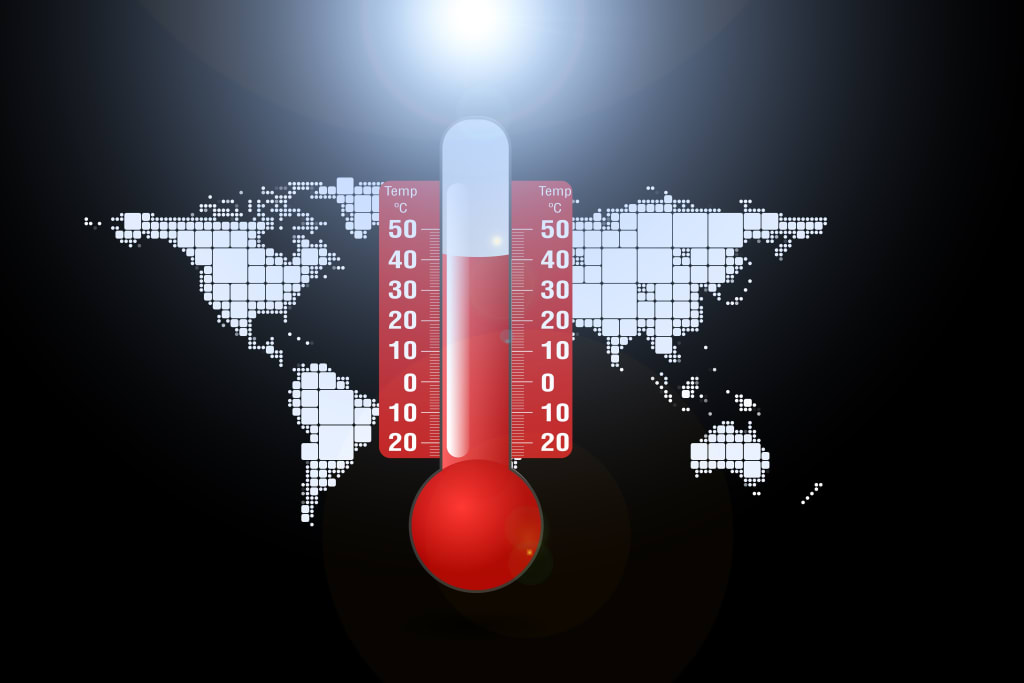
Global Warming: A Growing Threat to Our Planet
One of the most pressing issues of the 21st century is global warming. It refers to the long-term rise in Earth's average surface temperature brought on by human activity, especially the release of greenhouse gases like carbon dioxide (CO2), methane (CH4), and nitrous oxide (N2O). The "greenhouse effect" caused by these gases disrupts the planet's natural climate systems by trapping heat in the atmosphere.
Causes of Global Warming
The primary cause of global warming is the burning of fossil fuels—coal, oil, and natural gas—for energy and transportation. CO2 is released into the atmosphere in large quantities during this process. Deforestation also plays a significant role because trees store CO2 and can be cut down to release more carbon into the atmosphere. In addition, landfills, agriculture, and industrial processes release methane and other potent greenhouse gases.
Auswirkungen on the Environment The consequences of global warming are already visible. Sea levels are rising and flooding is threatening coastal communities as glaciers and polar ice caps melt. Many regions experience more frequent and intense weather events such as hurricanes, droughts, wildfires, and heatwaves. Many animal and plant species are facing extinction as their habitats change or disappear due to ecosystem disruption.
Impact on People Global warming affects human health, food security, water supply, and economic stability. Heat waves can lead to cardiovascular issues and heat stroke, particularly in vulnerable populations. Agricultural productivity declines in some areas due to erratic rainfall and higher temperatures, leading to food shortages and higher prices. In many parts of the world, freshwater resources are dwindling, while extreme weather damages homes and infrastructure.
Global Initiatives to Prevent Global Warming In response to this crisis, nations have come together through international agreements like the Paris Agreement, which aims to limit global temperature rise to well below 2°C above pre-industrial levels. This involves transitioning to renewable energy sources, improving energy efficiency, reforestation, and developing technologies to capture and store carbon emissions.
What Individuals Can Do
While governments and industries play a key role, individuals can also contribute to the fight against global warming. Reducing energy use, taking public transportation, recycling, planting trees, and supporting environmentally friendly products are all easy ways to make a difference. Promoting climate-friendly policies and raising awareness are equally important. Conclusion
Global warming is happening right now, not in the distant future. To address it, a global collective effort involving systemic change and individual responsibility is required. We can contribute to the preservation of the planet for present and future generations by comprehending its causes and effects and taking meaningful action.
Consequences of Global Warming
The effects of global warming are widespread and severe:
Rising temperatures: Global temperatures have increased by about 1.1°C since the late 19th century.
Melting ice and rising sea levels: Polar ice caps and glaciers are melting, contributing to sea level rise that threatens coastal communities.
Extreme weather: There has been an increase in the frequency and severity of extreme weather events such as heatwaves, droughts, hurricanes, and floods.
Biodiversity loss: Many species face extinction due to shifting habitats and changing ecosystems.
Impact on agriculture and water: Crop yields may decline, and water scarcity may worsen, particularly in vulnerable regions.
Solutions and Mitigation Strategies
Addressing global warming requires coordinated global action:
Transition to renewable energy: Solar, wind, hydro, and other renewables must replace fossil fuels.
Energy efficiency: Improving energy use in industries, homes, and transportation reduces emissions.
Reforestation and conservation: Protecting and restoring forests helps absorb CO₂ from the atmosphere.
Climate policies: International agreements like the Paris Agreement aim to limit global warming to below 2°C above pre-industrial levels.
Public awareness and education: Informed individuals can make sustainable choices and support climate-friendly policies.
Conclusion
Global warming poses a significant threat to life on Earth. While the challenges are immense, collective global efforts can mitigate its effects and protect future generations. The time to act is now.
About the Creator
Keep reading
More stories from Abid Sadif and writers in Earth and other communities.
New York: The City That Never Sleeps
The City That Never Sleeps, New York New York City, often referred to simply as “New York,” is one of the most iconic cities in the world. It is a global center for finance, art, fashion, and entertainment due to its towering skyscrapers, bustling streets, and extensive cultural heritage. Known as “The Big Apple,” New York offers a unique blend of history, diversity, and modern innovation that continues to captivate millions of residents and visitors alike.
By Abid Sadif10 months ago in Chapters
Whales should be protected!
Carbon dioxide is one of the main gases responsible for global warming. When too much carbon dioxide builds up in the atmosphere, it traps heat from the sun and causes the Earth’s temperature to rise. If this problem continues without control, it could lead to serious environmental damage and may even make parts of the Earth difficult for humans and animals to live in. Therefore, it is important to find natural ways to reduce carbon dioxide levels. One surprising but very important solution is protecting whales, as they play a role in storing carbon in their bodies and supporting ocean ecosystems.
By *+*+*~Teja~*+*+*2 days ago in Earth


Comments
There are no comments for this story
Be the first to respond and start the conversation.