
The Chernobyl Disaster: Unveiling the World's Worst Nuclear Accident
Unraveling the Tragedy: How the Chernobyl Disaster Shaped Nuclear Energy and Global Policies
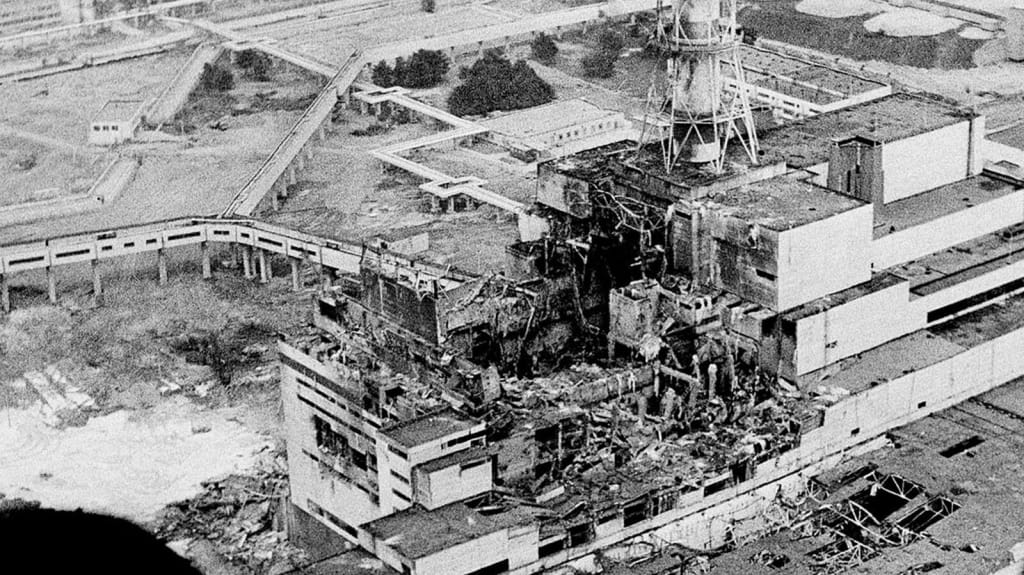
The Chernobyl disaster, which occurred on April 26, 1986, remains one of the most catastrophic nuclear accidents in human history. This tragic event not only changed the way the world views nuclear energy but also left an indelible mark on the environment, public health, and global policies
What Caused the Chernobyl Disaster?
The Chernobyl Nuclear Power Plant, located near the town of Pripyat in northern Ukraine, housed four reactors. On the fateful night of April 26, Reactor No. 4 underwent a safety test gone horribly wrong. The test aimed to assess whether the reactor could cool down safely in the event of a power outage.
A combination of flawed reactor design and human error triggered a chain reaction that spiraled out of control. Operators shut down critical safety systems during the test, and the reactor experienced a massive energy surge. This led to a series of explosions that released radioactive materials into the atmosphere.
The Immediate Impact
The explosion killed two plant workers instantly and injured dozens of others. Over the next few weeks, 28 emergency workers and plant staff succumbed to acute radiation syndrome (ARS). However, these figures represent only the immediate casualties; the long-term health consequences have been far more severe.
The radioactive plume spread over vast areas of Europe, with Belarus, Ukraine, and Russia bearing the brunt of the contamination. Approximately 49,000 residents of Pripyat were evacuated the day after the explosion, leaving behind a ghost town frozen in time.
Environmental Devastation
The environmental consequences of the Chernobyl disaster were unprecedented. Large swaths of forest, now called the "Red Forest," turned a reddish hue due to radiation exposure and eventually died. Contaminated soil, rivers, and groundwater created an ecological nightmare that persists to this day.

Wildlife in the Chernobyl Exclusion Zone—spanning a 30-kilometer radius around the plant—has adapted in unique ways. Surprisingly, the absence of human activity has turned this radioactive wasteland into an accidental wildlife sanctuary, home to wolves, wild boars, and other species.
Health Effects and Human Toll
The human cost of the disaster is staggering. According to a 2006 report by the World Health Organization (WHO), thousands of thyroid cancer cases have been directly linked to the radioactive iodine released during the explosion. Children and adolescents exposed to contaminated milk and food were particularly vulnerable.
The psychological toll on survivors is equally profound. Residents of affected areas, often stigmatized as "Chernobylites," face increased rates of depression, anxiety, and other mental health issues.
The Cleanup and Containment Efforts
In the wake of the disaster, the Soviet Union mobilized over 600,000 workers, known as "liquidators," to contain the damage. These brave individuals built a massive steel and concrete sarcophagus around Reactor No. 4 to prevent further radioactive leaks.

In 2016, a more durable structure called the New Safe Confinement was installed over the original sarcophagus. This state-of-the-art arch is designed to last for at least 100 years, encapsulating the reactor and preventing radiation from escaping.
Chernobyl's Impact on Nuclear Energy Policies
The Chernobyl disaster profoundly impacted global nuclear energy policies. It exposed critical flaws in reactor design and operational protocols, prompting countries to implement stricter safety standards.
Germany, for example, accelerated its transition away from nuclear energy, a policy solidified by the Fukushima disaster in 2011. Similarly, public opposition to nuclear power surged worldwide, leading to delays or cancellations of nuclear projects.
However, some countries, including France and the United States, continue to invest in nuclear energy, arguing that modern reactors are far safer and that nuclear power is essential for reducing carbon emissions
Chernobyl Today: A Site of Tragedy and Tourism
Today, the Chernobyl Exclusion Zone serves as both a haunting reminder of human error and a unique tourist destination. Guided tours allow visitors to explore abandoned buildings in Pripyat, the eerie Ferris wheel in the amusement park, and the power plant itself.
In 2019, the HBO miniseries Chernobyl brought renewed attention to the disaster, portraying the heroism of those who risked their lives to contain the crisis and highlighting the systemic flaws that allowed it to happen.
The Legacy of Chernobyl
Nearly four decades later, the scars of Chernobyl remain visible. While some areas have recovered, others are still uninhabitable due to high radiation levels. The disaster has profoundly shaped public perception of nuclear energy, influencing policy and sparking debates about its role in combating climate change.
The legacy of Chernobyl is one of resilience and caution. It is a testament to human ingenuity in the face of disaster and a stark warning about the potential consequences of hubris and negligence.
The Chernobyl disaster is not just a historical event but a poignant narrative about humanity's relationship with technology and the environment. As we continue to grapple with the challenges of energy production and environmental sustainability, the lessons of Chernobyl remain more relevant than ever.
By understanding the causes, impacts, and ongoing repercussions of this tragedy, we honor the memory of those affected and strive to create a safer, more informed future.
About the Creator
The Mughal Princess Who Changed the Image of the Imperial Harem
When people imagine royal harems in medieval empires, they often picture places of luxury, secrecy, and endless indulgence. The Mughal Empire is no exception. For centuries, the Mughal harem has been portrayed as a secluded world of wealth and pleasure where royal women lived hidden lives behind palace walls. However, one remarkable woman challenged this narrow view: Gulbadan Begum, a Mughal princess whose life and writings revealed a very different reality.
By Irshad Abbasi 3 days ago in History




Comments
There are no comments for this story
Be the first to respond and start the conversation.