
The 17th-Century Cowdray Granary: A Marvel of Historical Architecture
Ancient Architecture

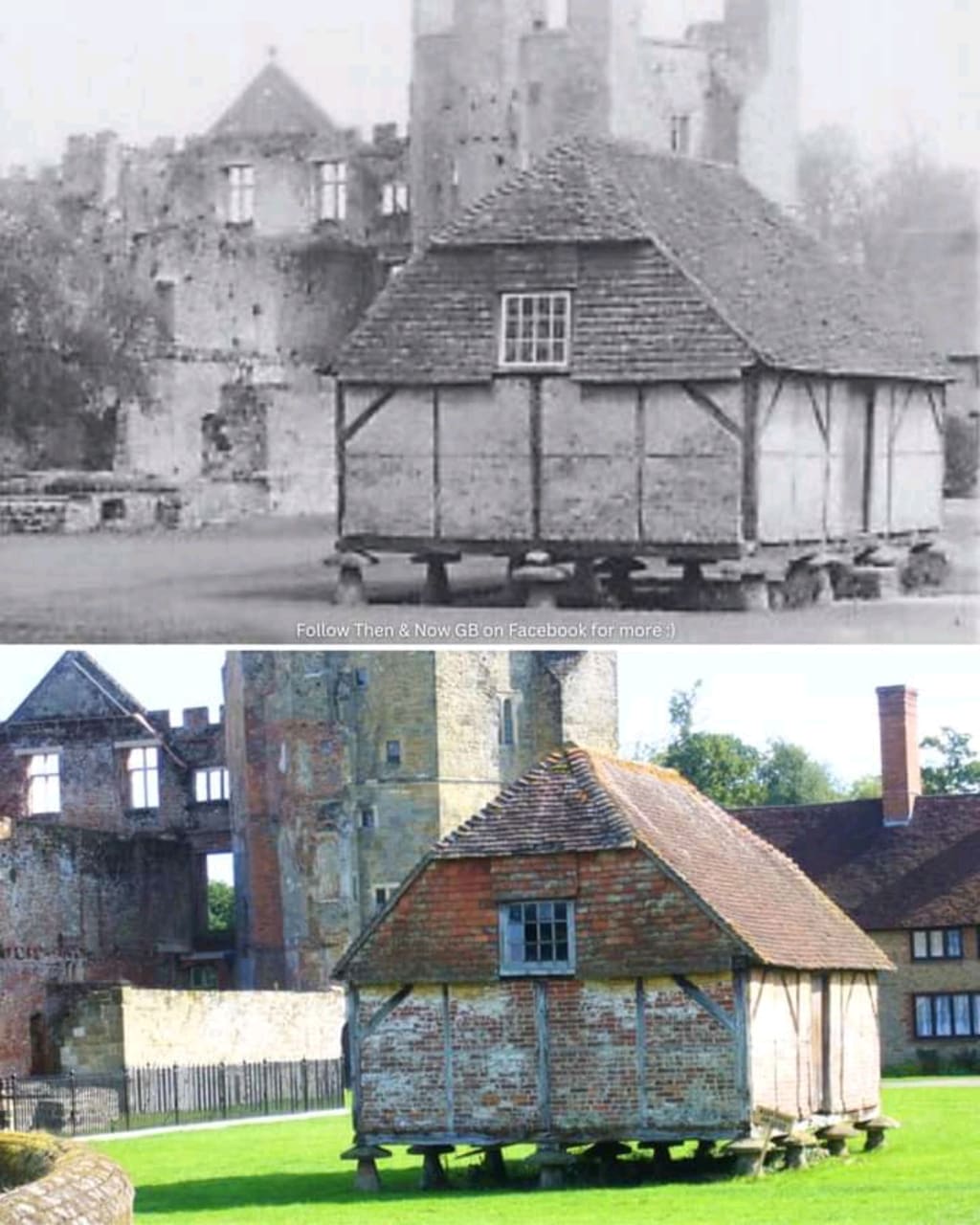
Nestled in the picturesque landscape of West Sussex, the Cowdray Granary stands as a fascinating relic of the 17th century. This Grade II listed structure is situated near the ruins of Cowdray House, offering a vivid glimpse into England's rich architectural and agricultural past. Not only is the granary a testament to the ingenuity of historical craftsmanship, but its unique design features—particularly the stone "mushrooms" known as staddle stones—highlight the practical and aesthetic brilliance of its creators.
The Granary’s Historical Significance
The Cowdray Granary was constructed in an era when agriculture was the lifeblood of rural England. Granaries were essential for storing grains, ensuring food security, and maintaining the economy of estates like Cowdray. The Cowdray estate, with its sprawling lands and imposing manor house, was once a symbol of wealth and power. While the nearby Cowdray House lies in ruins today, the granary remains in remarkable condition, a silent witness to centuries of change.
As a Grade II listed building, the granary is recognized for its special architectural and historical significance. Such a designation ensures its preservation, protecting it from alterations that might compromise its heritage value. The granary’s survival is particularly notable given the decline of many similar structures across England due to modernization and neglect.
The Ingenious Design of the Staddle Stones
One of the most striking features of the Cowdray Granary is its staddle stones. These stone supports, resembling mushrooms, serve both practical and aesthetic purposes. The word "staddle" is derived from Old English, meaning a foundation or base. In the context of granaries, these stones elevated the structure above the ground, providing several advantages.
1. Protection from Water Damage: By lifting the granary off the ground, the staddle stones prevented water from seeping into the building, ensuring that the grain stored inside remained dry and free from mold.
2. Vermin Deterrence: The mushroom-shaped tops of the staddle stones were ingeniously designed to keep rodents at bay. The overhanging edges made it nearly impossible for vermin to climb into the granary, safeguarding the precious grain reserves.
3. Durability and Stability: Made from durable stone, these supports were built to withstand the elements and the test of time. Their solid construction contributes to the granary’s longevity, allowing it to stand firm even after centuries.
The Relationship Between Cowdray House and the Granary
The proximity of the Cowdray Granary to Cowdray House adds another layer of intrigue to its story. Cowdray House, once a grand Tudor mansion, was severely damaged by a fire in 1793 and now exists as a romantic ruin. Despite this, the granary remains intact, underscoring the practical resilience of agricultural structures compared to the often-fragile opulence of manor houses.
The granary would have played a crucial role in supporting the operations of Cowdray House, storing grains needed to feed the estate’s residents, workers, and livestock. Its survival serves as a poignant reminder of the estate’s once-thriving agricultural economy.
Preservation and Continued Legacy
Preserving historical structures like the Cowdray Granary is essential for understanding and appreciating our past. The granary’s listing as a Grade II structure ensures that it will remain protected for future generations. Conservation efforts focus on maintaining its original features, such as the timber framework and staddle stones, while ensuring the structure remains stable and safe.
For visitors to West Sussex, the granary offers a unique opportunity to connect with history. Standing next to the ruins of Cowdray House, it provides a stark contrast—a symbol of endurance and functionality alongside the decayed grandeur of a once-mighty estate.
Broader Implications of Staddle Stone Design
The use of staddle stones was not unique to Cowdray Granary; they were a common feature of granaries, hay barns, and other agricultural buildings across Britain. However, few examples remain as well-preserved as those at Cowdray. This design highlights the resourcefulness of early modern architects, who blended form and function to create structures that were both practical and beautiful.
In modern times, staddle stones have found a new lease on life as decorative garden features. While their original purpose has faded, their timeless charm continues to captivate homeowners and historians alike.
Visiting the Cowdray Granary
For those interested in exploring the Cowdray Granary, a visit to Cowdray Estate is a must. The estate offers guided tours, during which visitors can learn about the history of Cowdray House, the granary, and the surrounding landscape. Walking through the estate, one can’t help but marvel at the resilience of the granary and the ingenuity of its design.
Conclusion
The 17th-century Cowdray Granary stands as a remarkable example of historical architecture and agricultural ingenuity. Its staddle stones, a hallmark of practical design, continue to draw admiration for their functionality and aesthetic appeal. Positioned next to the hauntingly beautiful ruins of Cowdray House, the granary tells a story of endurance and adaptability.
In a world where progress often comes at the cost of history, the Cowdray Granary serves as a reminder of the importance of preservation. It invites us to reflect on the ingenuity of our ancestors and the enduring legacy of their creations. Whether you are a history enthusiast, an architecture aficionado, or simply a curious traveler, the Cowdray Granary is a treasure worth exploring.
About the Creator
Keep reading
More stories from Deji Akomolafe and writers in History and other communities.
Medieval Box Beds: A Cozy Window into the Past
In the world of medieval Europe, the comforts of modern heating and insulated homes were unimaginable luxuries. To combat the harsh winters and maintain privacy in often crowded living spaces, a unique and ingenious solution emerged: the box bed. This snug sleeping arrangement, which gained immense popularity around 600 years ago, was not just practical but also a symbol of warmth and security.
By Deji Akomolafeabout a year ago in History
Saudi Arabia Warns Against War
Saudi Arabia Warns Against War: Why Riyadh Opposes a U.S. Attack on Iran As tensions between the United States and Iran continue to rise, Saudi Arabia has taken a notable and cautious position: warning against any U.S. military attack on Iran. This stance may surprise some observers given the long history of rivalry between Riyadh and Tehran, but it reflects a broader regional concern that another major war in the Middle East could spiral beyond control.
By Wings of Time 2 days ago in History
Napoleon Bonaparte — From Corsican Outsider to Emperor of Europe
Napoleon Bonaparte was born on August 15, 1769, on the Mediterranean island of Corsica, a land that had only recently come under French control. His family was of modest noble status, and young Napoleon grew up feeling like an outsider—Corsican by culture, yet educated as a Frenchman. This sense of being different shaped his fierce ambition and iron will. From an early age, he showed a sharp mind, a deep love for history, and an unusual talent for mathematics, which later proved essential in warfare.
By The best writer 4 days ago in History


Comments
There are no comments for this story
Be the first to respond and start the conversation.