
Medieval Box Beds: A Cozy Window into the Past
Ancient Civilization


In the world of medieval Europe, the comforts of modern heating and insulated homes were unimaginable luxuries. To combat the harsh winters and maintain privacy in often crowded living spaces, a unique and ingenious solution emerged: the box bed. This snug sleeping arrangement, which gained immense popularity around 600 years ago, was not just practical but also a symbol of warmth and security.
Medieval box beds have long since disappeared from common use, but their charm and ingenuity continue to captivate historians and enthusiasts of historical design. In this blog, we delve into the history, functionality, and cultural significance of these cozy wooden enclosures.
---
What Were Medieval Box Beds?
A box bed was essentially a wooden structure with walls, a roof, and a sliding or hinged door. It resembled a small cupboard or alcove built to house a mattress and bedding. These beds were often built into the walls of a home or stood as standalone furniture, making the most of the available space.
The key feature of a box bed was its enclosed design. Unlike modern open-framed beds, the box bed created a cocoon-like environment, trapping the sleeper's body heat and shielding them from drafts. This was particularly valuable in medieval homes, which often had poor insulation and relied on fireplaces for warmth.
---
A Cocoon of Comfort and Privacy
One of the primary reasons for the popularity of box beds was their ability to provide warmth. In an era when winters were harsh and central heating was nonexistent, retaining body heat during sleep was vital for comfort and health. The enclosed design of box beds made them exceptionally effective at conserving warmth.
Box beds also offered privacy, a valuable feature in medieval households where multiple family members often shared a single room. The sliding doors or curtains of the bed created a personal sanctuary, allowing individuals to retreat into their own space, even in crowded living conditions.
---
Design and Craftsmanship
Medieval box beds were as varied as the homes they occupied. Wealthier households often featured elaborately carved box beds made from high-quality wood, adorned with intricate designs and motifs. These beds were not only functional but also served as symbols of status and taste.
In simpler households, box beds were more utilitarian in design, built from readily available materials like oak or pine. Despite their simplicity, these beds were robust and carefully crafted to withstand daily use.
The design of box beds also catered to different needs. Some were built into walls or alcoves, saving floor space in small homes, while others were standalone pieces of furniture that could be moved if necessary.
---
Cultural Significance
Box beds were more than just furniture; they were an integral part of medieval life. Their design reflected the values and challenges of the time, such as the need for warmth, privacy, and efficient use of space.
These beds also played a role in social customs and traditions. In some regions, the bed was a place where important conversations took place, and its enclosure provided an intimate setting for family bonding. The box bed’s association with comfort and security made it a cherished feature of medieval homes.
---
The Decline of Box Beds
As living conditions improved and homes became better insulated, the need for box beds diminished. By the 18th and 19th centuries, they were gradually replaced by open-framed beds, which allowed for greater ventilation and accommodated changing tastes in interior design.
Despite their decline, box beds remained a beloved feature in certain rural areas, particularly in colder regions like Brittany in France and parts of Scotland. In these places, they persisted well into the 19th century, valued for their practicality and charm.
---
Modern Interest in Box Beds
Today, box beds are experiencing a revival of interest among history enthusiasts and lovers of unique furniture. Their cozy design and historical significance have inspired modern reinterpretations, with craftsmen creating contemporary box beds that combine medieval charm with modern comforts.
In museums and historical homes, original box beds are preserved as fascinating artifacts of medieval life. They offer a tangible connection to the past, allowing visitors to imagine the daily lives of people who relied on these ingenious structures for warmth and rest.
---
Lessons from Medieval Design
The box bed is a testament to human ingenuity and adaptability. In an age of limited resources and harsh conditions, medieval craftsmen created a solution that addressed multiple needs with elegance and practicality.
For modern homeowners, the concept of the box bed offers valuable insights into efficient use of space, sustainable living, and the importance of creating personal sanctuaries. The resurgence of interest in cozy, enclosed sleeping spaces reflects a timeless desire for comfort and security, even in our technologically advanced world.
---
Conclusion
Medieval box beds were more than just a place to sleep—they were a vital part of everyday life, offering warmth, privacy, and a sense of security. Their enduring charm and historical significance make them a fascinating subject for anyone interested in medieval history, design, or the art of living simply.
As we marvel at these ingenious creations, we are reminded of the resourcefulness and creativity of our ancestors. The box bed, with its cozy enclosure and timeless appeal, remains a symbol of comfort and resilience in the face of life’s challenges.
About the Creator
Keep reading
More stories from Deji Akomolafe and writers in History and other communities.
Wings Place: Anne of Cleves’ Tudor Treasure
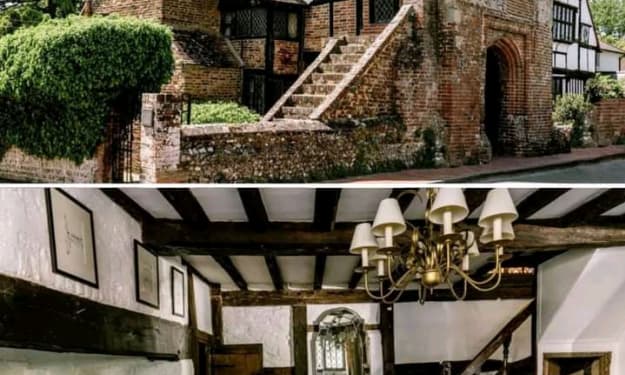
Nestled in the picturesque town of Ditchling, East Sussex, Wings Place stands as one of the finest Tudor houses in Britain. Steeped in history, this stunning timber-framed house was gifted to Anne of Cleves in 1538 as part of the settlement when she consented to annul her marriage to Henry VIII. Today, Wings Place is celebrated not only for its architectural beauty but also for the fascinating story it tells about one of England’s most tumultuous periods.
By Deji Akomolafeabout a year ago in History
Review of 'Man on the Run'
My wife and I saw Man on the Run, a nearly 2-hour documentary on Amazon Prime, about Wings, Paul McCartney's group that flew around the world from shortly after The Beatles broke up in early 1970 to shortly after John Lennon was murdered at the end of 1980, making a Beatles reunion forever impossible.
By Paul Levinson7 days ago in Beat


Comments
There are no comments for this story
Be the first to respond and start the conversation.