World History
Persepolis: Ancient Persia’s Majestic Ceremonial Capital
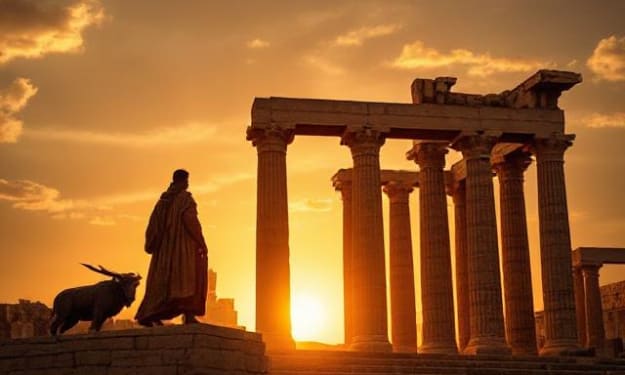
Nestled in the arid heartland of modern-day Iran lies one of the most awe-inspiring archaeological treasures of the ancient world—Persepolis. Known as “Takht-e Jamshid” in Persian, this ceremonial capital of the Achaemenid Empire stood as a symbol of power, grandeur, and imperial pride for centuries. Founded by Darius I in 518 BCE, Persepolis was more than a city—it was a statement. Built to host kings, dignitaries, and subject nations of the vast Persian Empire, it showcased the architectural genius, cultural sophistication, and political might of one of history’s greatest empires.
By Mukhtiar Ahmad7 months ago in History
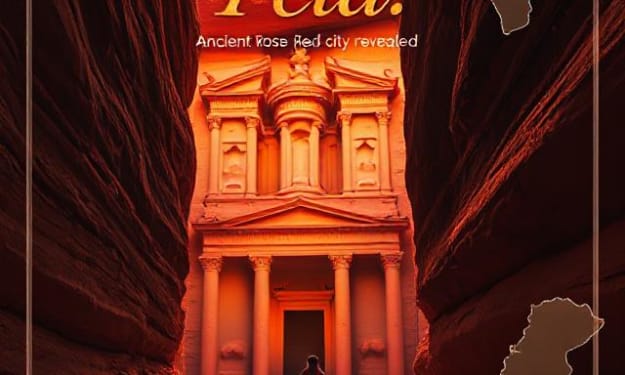
Petra: Ancient Rose-Red City Revealed
Tucked away in the rugged mountains of southern Jordan lies one of the world’s most magnificent archaeological treasures — Petra. Often referred to as the “Rose-Red City” due to the color of the sandstone cliffs that surround it, Petra stands as a testament to the ingenuity and cultural richness of the ancient Nabataean civilization. With a history dating back more than 2,000 years, Petra is a place where nature and human craftsmanship combine in stunning harmony.
By Mukhtiar Ahmad7 months ago in History
🗻 Trapped in the Snow – How a Rugby Team Survived 72 Days in the Andes
✦ The Flight and the Crash ✦ On October 13, 1972, Uruguayan Air Force Flight 571 carried 45 people—mostly a rugby team and their friends—over the Andes mountains to Santiago, Chile. Soon after takeoff, bad weather and navigational errors led the plane into heavy snow and clouds. The aircraft hit a mountain slope and broke apart. Many died on impact. The survivors found themselves high in the Andes, amid snow and ice, with no easy way out.
By Echoes by Imad7 months ago in History
The Crescent Rises: The Story of Osman
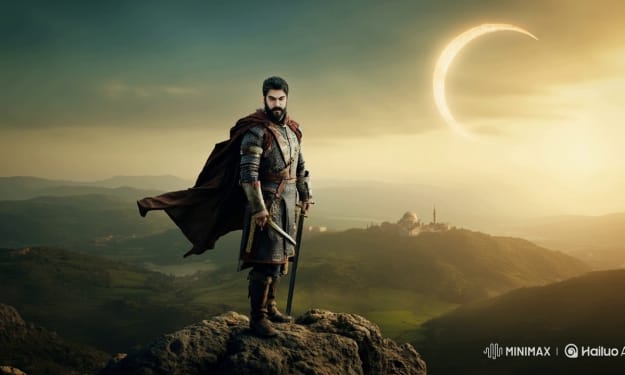
The winds of Anatolia carried the scent of wild grass and the smoke of distant hearths. Along the foothills of the Sakarya River, a young warrior sat atop his horse, gazing at the rolling green hills beyond. His black eyes were steady, calculating—not yet the gaze of an emperor, but of a man who understood what was coming.
By Waqif Khan7 months ago in History
The Rise of the Eternal Blue Sky
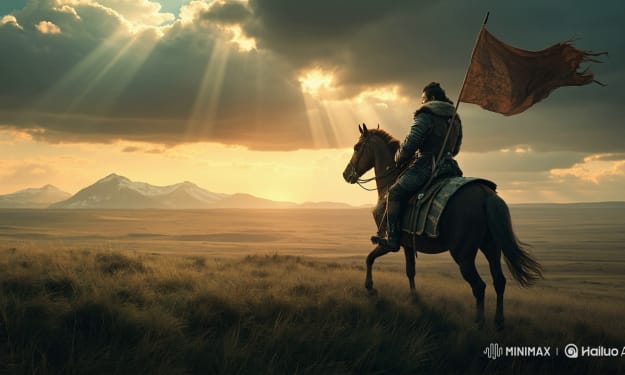
The wind screamed across the Mongolian steppes, wild and cold, carrying with it the scent of winter and blood. The boy stood there alone, his thin frame barely enough to withstand the storm, but his dark eyes were steady. Sharp. Watching.
By Waqif Khan7 months ago in History
The Bangladesh Liberation War of 1971
r Introduction The Bangladesh Liberation War of 1971 was one of the most significant and bloodiest events in South Asian history. It resulted in the independence of Bangladesh from Pakistan. The war lasted for nine months, from March to December 1971, and was marked by a brutal crackdown by the Pakistani military, a massive refugee crisis, and finally, intervention by India. Bangladesh gained independence before the war was over, and Pakistan suffered a significant political and military defeat. ---
By Masud Ahmed 7 months ago in History
The Eight Kings Who Ruled Before the Flood: Unveiling the Sumerian King
A Forgotten Record of Impossible Reigns: Unraveling the Enigma of the Sumerian King List In the cradle of civilization, where the first written words were penned, and society took its earliest steps, ancient scribes inscribed a remarkable document into clay tablets: the Sumerian King List. This cuneiform text, over 4,000 years old, lists the names of kings who reigned in ancient Mesopotamia.
By The Secret History Of The World7 months ago in History
Imran Khan: The Prisoner of Power
Article: In the turbulent world of Pakistani politics, very few figures have commanded the kind of devotion and controversy as Imran Khan. Once celebrated globally as the cricketing hero who led Pakistan to its first-ever World Cup victory in 1992, Khan’s transformation into a political titan has been nothing short of remarkable. Yet, what makes his story even more compelling is not just his rise to power — but his dramatic fall, culminating in his arrest and imprisonment.
By Waqif Khan7 months ago in History
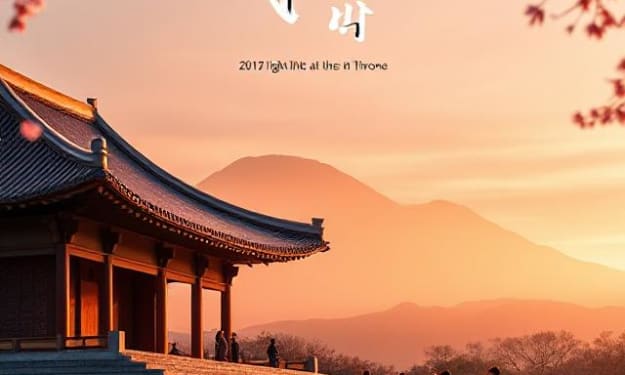
Gyeongbokgung Palace: Korea’s Royal Legacy
Gyeongbokgung Palace – The Timeless Heart of South Korea Nestled in the heart of Seoul, South Korea, Gyeongbokgung Palace stands as a majestic symbol of Korean heritage, resilience, and royal legacy. Known as the “Palace Greatly Blessed by Heaven,” Gyeongbokgung is the largest and most iconic of the Five Grand Palaces built during the Joseon Dynasty. With its stunning architecture, turbulent history, and cultural revival, this historic landmark remains a centerpiece of South Korea’s national identity.
By Mukhtiar Ahmad7 months ago in History