
Gyeongbokgung Palace: Korea’s Royal Legacy
A majestic symbol of Korea’s history, culture, and royal heritage.
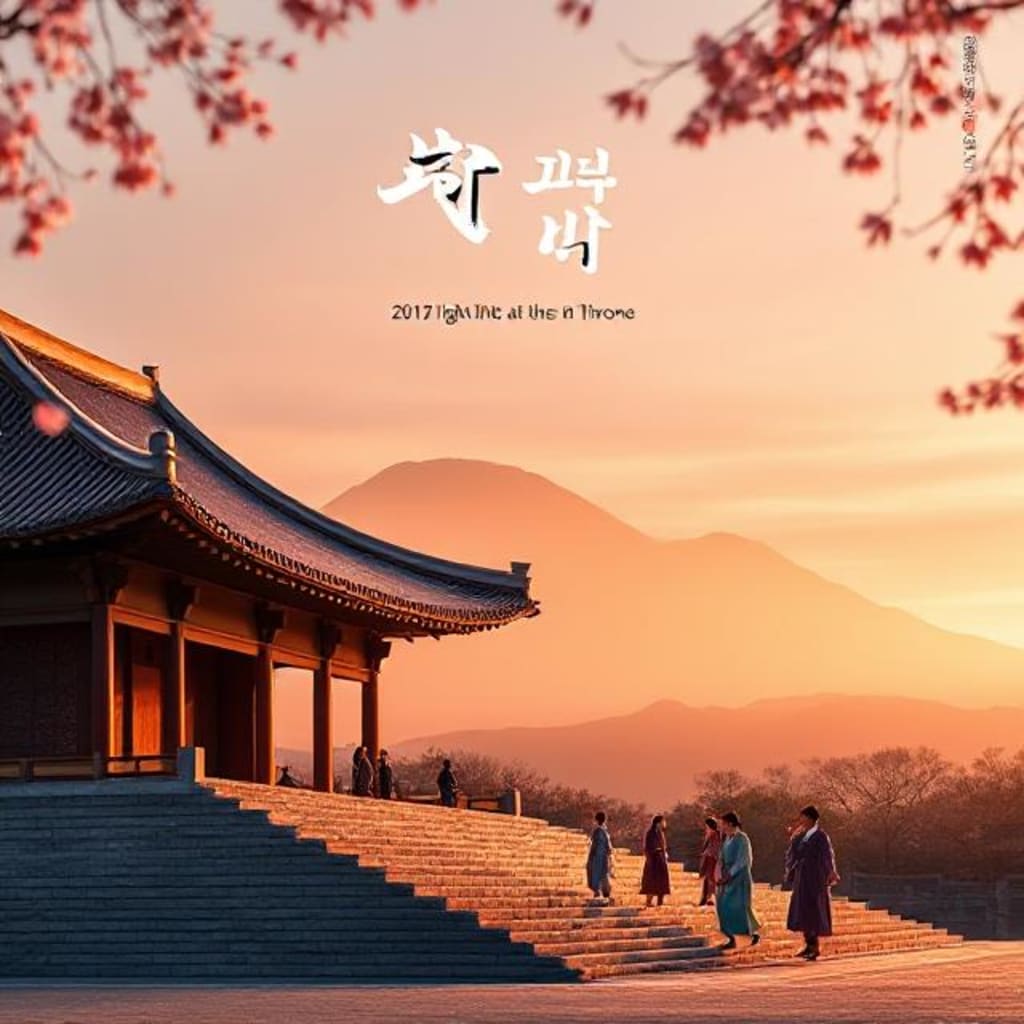
Gyeongbokgung Palace – The Timeless Heart of South Korea
Nestled in the heart of Seoul, South Korea, Gyeongbokgung Palace stands as a majestic symbol of Korean heritage, resilience, and royal legacy. Known as the “Palace Greatly Blessed by Heaven,” Gyeongbokgung is the largest and most iconic of the Five Grand Palaces built during the Joseon Dynasty. With its stunning architecture, turbulent history, and cultural revival, this historic landmark remains a centerpiece of South Korea’s national identity.
The Founding of a Dynasty
Gyeongbokgung Palace was constructed in 1395, just three years after the Joseon Dynasty was founded by King Taejo (Yi Seong-gye). As the main royal palace, it was strategically located at the foot of Mount Bugaksan, facing south towards the city of Seoul. The site was chosen according to geomantic principles of pungsu-jiri (similar to Chinese feng shui), to ensure harmony with nature and cosmic balance.
The name "Gyeongbokgung" itself reflects the founder’s hopes for a dynasty that would enjoy heavenly blessing and prosperity. From its earliest days, the palace served as the royal residence and the central seat of government.
Architectural Brilliance
Gyeongbokgung Palace showcases traditional Korean palace architecture at its finest. The complex originally consisted of over 300 buildings, arranged in a balanced layout with the throne hall (Geunjeongjeon) and king’s quarters (Gangnyeongjeon) at its core.
Geunjeongjeon, the throne hall, is especially notable for its two-tiered stone platform, intricate wooden roof brackets, and wide courtyard where important state functions and royal ceremonies took place. The throne itself, placed against a backdrop painting of five mountain peaks and the sun and moon, symbolized the king’s divine right to rule.
Other key structures include:
Gyeonghoeru Pavilion: A beautiful banquet hall set on a lotus pond, used for royal feasts and diplomatic events.
Hyangwonjeong Pavilion: A small, hexagonal structure on an artificial island connected by a wooden bridge, offering a peaceful retreat for royalty.
Korean palace architecture emphasizes natural materials, curved roofs, and colorful dancheong patterns painted on the wooden surfaces. The style harmonizes human craftsmanship with natural surroundings, creating an atmosphere of elegance and calm.
Turbulent Times: Destruction and Restoration
Despite its grandeur, Gyeongbokgung Palace’s history is one of repeated devastation. The first major blow came in 1592 during the Japanese invasions of Korea (Imjin War). Much of the palace was destroyed by fire and remained in ruins for over 270 years.
In the 19th century, King Gojong initiated an ambitious restoration project. Gyeongbokgung was rebuilt and once again became the royal residence. However, this revival was short-lived. Following the Japanese occupation of Korea in the early 20th century, the palace suffered significant destruction and suppression:
Numerous palace buildings were torn down by the Japanese authorities.
The Japanese Government-General Building was constructed directly in front of the main throne hall, symbolically dominating the palace and erasing Korean sovereignty.
After Korea’s liberation in 1945, efforts began to recover and preserve what remained. The Japanese building was demolished in the 1990s, and the South Korean government launched long-term restoration projects to return the palace to its former glory.
A Living Symbol of Korean Heritage
Today, Gyeongbokgung Palace is more than a historical relic — it is a living cultural site. Managed by the Cultural Heritage Administration, it draws millions of visitors each year, both domestic and international.
One of the most popular attractions is the Royal Guard Changing Ceremony, a vibrant reenactment of ancient guard rituals, complete with colorful uniforms, traditional music, and marching formations. Visitors can also rent hanbok (traditional Korean clothing) and explore the palace grounds while dressed like royalty or noble scholars of the Joseon era.
The National Palace Museum of Korea and the National Folk Museum of Korea, both located on palace grounds, offer deeper insights into court life, governance, religion, and daily practices of the time.
Cultural Legacy and National Pride
Gyeongbokgung represents much more than architectural beauty. It is a powerful emblem of Korea’s historical struggles and cultural revival. Throughout colonization, war, and modernization, the palace has stood as a symbol of national identity and continuity.
The ongoing restoration of Gyeongbokgung reflects South Korea’s dedication to preserving its heritage and sharing it with the world. Its presence in dramas, literature, and global media has also helped spark a renewed interest in Korean history and traditional aesthetics.
Conclusion
From its glorious founding in the 14th century to its painstaking restoration in modern times, Gyeongbokgung Palace embodies the enduring spirit of Korea. It stands not only as a monument to the past, but as a bridge to the future — connecting generations through architecture, art, and cultural memory. For anyone seeking to understand the soul of Korea, a walk through the stone paths and wooden halls of Gyeongbokgung is an unforgettable journey into the heart of a nation.
About the Creator
Keep reading
More stories from Mukhtiar Ahmad and writers in History and other communities.
Himeji Castle: Japan’s Timeless White Fortress
Himeji Castle – Japan’s White Heron of History and Beauty Rising elegantly above the city of Himeji in Hyōgo Prefecture, Himeji Castle is one of Japan’s most treasured landmarks. Known as Shirasagi-jō or the "White Heron Castle" because of its brilliant white plaster walls and graceful, bird-like silhouette, Himeji Castle is not only a marvel of traditional Japanese architecture but also a powerful symbol of resilience, history, and cultural pride.
By Mukhtiar Ahmad9 months ago in History


Comments
There are no comments for this story
Be the first to respond and start the conversation.