
Persepolis: Ancient Persia’s Majestic Ceremonial Capital
timeless symbol of Achaemenid glory, culture, and imperial power.
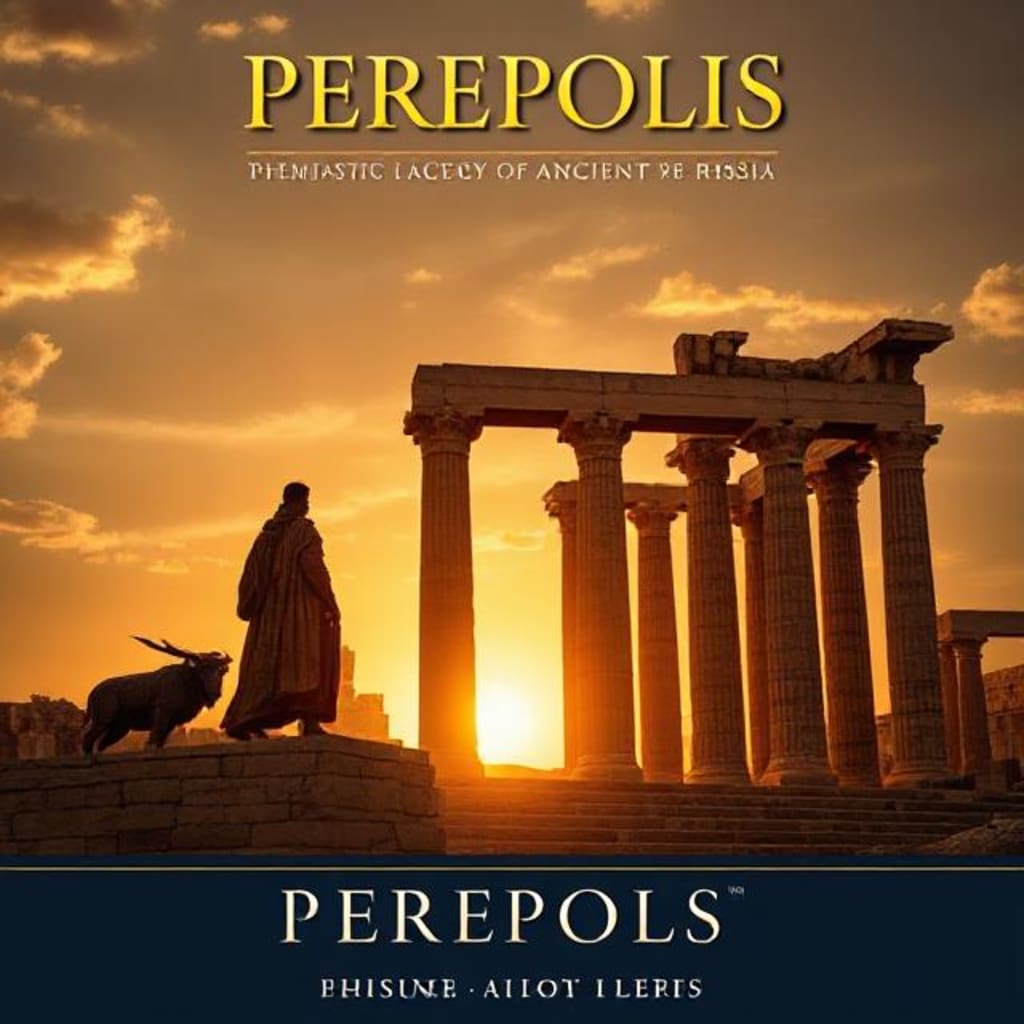
Nestled in the arid heartland of modern-day Iran lies one of the most awe-inspiring archaeological treasures of the ancient world—Persepolis. Known as “Takht-e Jamshid” in Persian, this ceremonial capital of the Achaemenid Empire stood as a symbol of power, grandeur, and imperial pride for centuries. Founded by Darius I in 518 BCE, Persepolis was more than a city—it was a statement. Built to host kings, dignitaries, and subject nations of the vast Persian Empire, it showcased the architectural genius, cultural sophistication, and political might of one of history’s greatest empires.
Origins and Foundation
The Achaemenid Empire, under Cyrus the Great, had already established itself as a formidable force in the 6th century BCE. However, it was his successor, Darius I (r. 522–486 BCE), who envisioned and began construction of Persepolis as a monumental center for ceremonial and religious observances. Unlike other capitals such as Susa or Ecbatana, which were administrative hubs, Persepolis was designed as a ceremonial stronghold—a majestic backdrop for Nowruz (the Persian New Year) and royal receptions.
Persepolis was built on an immense stone terrace, partly natural and partly man-made, measuring about 450 by 300 meters. At the heart of the platform stood a series of grand palaces, audience halls, and stairways, all reflecting the opulence and organizational strength of the Achaemenids.
Architectural Brilliance
The architecture of Persepolis is unique for its time, combining elements from across the vast empire that stretched from the Indus Valley to Egypt and the Balkans. The buildings were constructed primarily of grey limestone, with exquisite details carved directly into the stone.
One of the most iconic structures is the Apadana Palace, a massive audience hall initiated by Darius and completed by his son, Xerxes I. With 72 columns standing over 20 meters high, the hall could accommodate thousands and featured detailed bas-reliefs depicting representatives of various nations bringing tribute to the king. These depictions were not merely decorative—they served as ideological affirmations of Persian supremacy and harmony within the empire.
The famous “Gate of All Nations,” built by Xerxes I, welcomed visitors from all corners of the empire. Guarded by colossal winged bulls with human heads, the gate symbolized the unity and diversity of the Achaemenid realm.
Cultural and Political Significance
Persepolis was a melting pot of ancient cultures. Craftsmen and laborers from across the empire were employed in its construction—Babylonians, Egyptians, Greeks, Medes, and Lydians, among others—each contributing their artistic traditions. This integration made Persepolis not only an imperial capital but a cultural fusion representing the vastness of Persian rule.
The inscriptions found at the site, often trilingual (Old Persian, Elamite, and Akkadian), offer invaluable insights into Achaemenid administration, ideology, and Zoroastrian religious practices. They emphasize values such as justice, truth, and the divine favor of Ahura Mazda, the supreme deity of Zoroastrianism.
Destruction and Legacy
Despite its magnificence, Persepolis met a fiery end. In 330 BCE, during his conquest of Persia, Alexander the Great captured and looted the city. Historical accounts suggest that Persepolis was intentionally set ablaze, perhaps as an act of revenge for Persian invasions of Greece. The fire consumed much of the city’s grandeur, reducing wooden structures to ashes and damaging the intricate stonework.
Yet, what remained was enough to inspire awe even in ruin. The ruins of Persepolis were buried and largely forgotten for centuries, protected by the arid climate and the soil. Rediscovered and excavated in the 20th century, they have revealed staggering insights into ancient Persian civilization.
UNESCO World Heritage Site
In 1979, Persepolis was declared a UNESCO World Heritage Site. Its archaeological remains serve as a powerful testament to the ingenuity and vision of the Achaemenid kings. The site continues to draw historians, tourists, and scholars from around the globe, offering a tangible connection to a world that once ruled much of the known ancient universe.
Conclusion
Persepolis stands today not just as a ruin but as a symbol of the enduring legacy of Persian civilization. Its majestic halls and staircases whisper stories of kings and courtiers, of unity and empire, of art and architecture born in a golden age of human achievement. While time and conquest have taken their toll, Persepolis continues to shine as a jewel of antiquity—reminding the world of Iran’s monumental past and the brilliance of the Achaemenid Empire.
Whether admired for its artistic excellence or studied for its historical depth, Persepolis remains one of humanity's great achievements—a city not just of stone, but of spirit.
About the Creator
Keep reading
More stories from Mukhtiar Ahmad and writers in History and other communities.
Petra: Ancient Rose-Red City Revealed
Tucked away in the rugged mountains of southern Jordan lies one of the world’s most magnificent archaeological treasures — Petra. Often referred to as the “Rose-Red City” due to the color of the sandstone cliffs that surround it, Petra stands as a testament to the ingenuity and cultural richness of the ancient Nabataean civilization. With a history dating back more than 2,000 years, Petra is a place where nature and human craftsmanship combine in stunning harmony.
By Mukhtiar Ahmad9 months ago in History
What St. Patrick’s Day Really Means: A Story Woven in Green and Shadow
What St. Patrick’s Day Really Means: A Story Woven in Green and Shadow St. Patrick’s Day comes each year like a familiar tune drifting down a long corridor of memory. The world dresses itself in green, the fiddles come out, and laughter rises from places that have forgotten why the day mattered in the first place. For many, it has become a carnival of noise, a blur of beer and novelty hats, a holiday flattened into something loud and careless. But beneath that surface lies a story older than the parades, older than the pubs, older even than the feast day itself. It is the story of a people who carried poetry in their bones and sorrow in their pockets, who crossed oceans with nothing but hope, and who built new lives in places that did not always welcome them. To understand St. Patrick’s Day, one must listen for the heartbeat beneath the noise, the quiet rhythm of endurance that has always defined the Irish spirit.
By Julie O'Hara - Author, Poet and Spiritual Warrior5 days ago in History


Comments
There are no comments for this story
Be the first to respond and start the conversation.