Perspectives
Skeleton Lake: The Himalayan Tomb of Mystery
High in the Indian Himalayas, where the air is thin and the silence feels older than time, lies a place so chilling it seems ripped from the pages of an ancient curse. Roopkund Lake... better known as Skeleton Lake, rests at an altitude of over 16,000 feet. A glacial basin. A frozen cradle of secrets. And, when the snow melts, a graveyard for hundreds of human skeletons.
By Veil of Shadows6 months ago in History
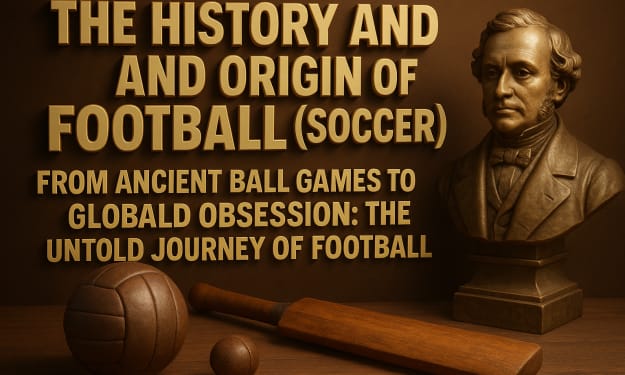
The History and Origin of Football (Soccer)
Football, or soccer as it is called in some parts of the world, is the most popular sport globally. With billions of fans and players, it commands unparalleled attention. Its history, however, is as fascinating as the game itself—rich in culture, conflict, and evolution over millennia.
By Engr. Mansoor Ahmad6 months ago in History
The Downfall of the Ottoman Empire: Causes and Consequences
The Ottoman Empire, once a vast and powerful dynasty spanning Europe, Asia, and Africa, existed for more than six centuries. At its height during the 16th and 17th centuries, it was one of the most formidable empires in history. However, by the early 20th century, it had disintegrated into political, economic, and military chaos, eventually collapsing after World War I. The fall of the Ottoman Empire was a gradual process, marked by both internal decay and external pressures. This article explores the key causes and consequences of the empire’s decline.
By Engr. Mansoor Ahmad6 months ago in History
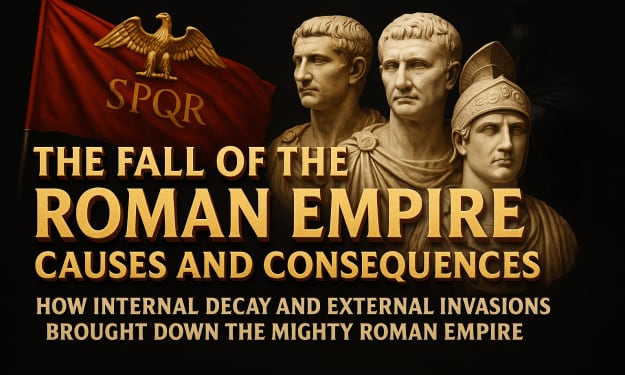
The Fall of the Roman Empire: Causes and Consequences
The Roman Empire, once the most powerful civilization in the ancient world, ultimately fell after centuries of domination across Europe, North Africa, and the Middle East. Its collapse is one of history's most significant turning points, signaling the end of classical antiquity and the beginning of the Middle Ages in Europe. Understanding the fall of the Roman Empire involves a complex combination of internal weaknesses and external pressures that eroded Rome’s ability to sustain itself. This article explores the key causes behind the downfall of the Roman Empire and the enduring consequences of its demise.
By Engr. Mansoor Ahmad6 months ago in History
🌪️ “When the Rope-Pulled Fan Stopped — and the Winds of Slavery Ceased” 🌪️
🕰️ When the British Came, the Winds of Slavery Began to Blow When the British first set foot on the rich soil of the Indian subcontinent, they didn't just seize its land, gold, and governance. They took control of the very air that flowed in the royal courts and noble mansions of Delhi, Lucknow, Lahore, and Bombay. This is not a metaphor. It is a historical reality that strikes both the mind and the heart.
By Ikram Ullah6 months ago in History
No Ice Cream for You: The Strange Legacy of America’s Blue Laws
Picture this: It’s Sunday afternoon. The sun is shining, your pocket jingles with a few nickels, and all you want in this cruel, judgmental world, is an ice cream sundae topped with a cherry and a little hope. You stroll down to the corner soda shop, the bell jingles, and you ask the man behind the counter for two scoops of chocolate bliss. He stares back like you just confessed to tax fraud and says, “Kid… you trying to do time?”
By The Iron Lighthouse6 months ago in History
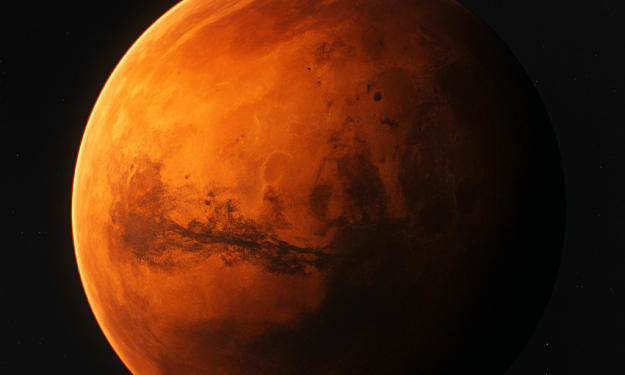
Journey to Mars – Exploring the Red Planet’s Secrets
Mars, also known as the Red Planet, has fascinated humans for thousands of years. From ancient astronomers to modern scientists, everyone has looked at Mars and wondered if life exists there. Today, Mars is the main target of space missions and future human exploration. But why is Mars so special?
By Leya kirsan official 6 months ago in History
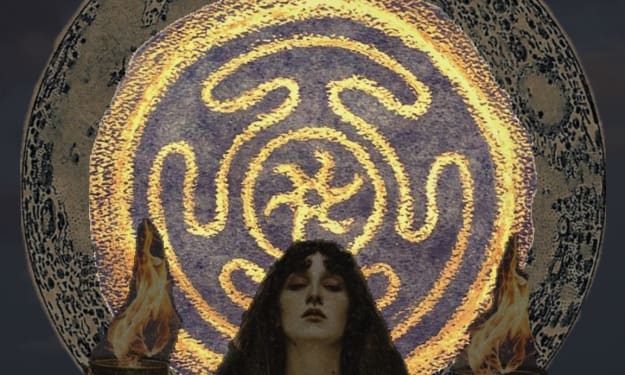
Hekate: Guardian of the Threshold, Goddess of Shadows and Sorcery
In the flickering light of ancient torches, standing at the crossroads where choices are made and fates are sealed, Hekate waits. Neither wholly light nor dark, she is the Greek goddess of magic, the moon, necromancy, and transitions. Revered and feared in equal measure, Hekate is a guardian of liminal spaces—the in-between realms of dusk and dawn, life and death, body and spirit.
By Kristen Orkoshneli6 months ago in History
Inanna (Ishtar): Queen of Heaven and the Dark Divine
Long before the rise of Olympus or the thrones of Valhalla, there reigned a goddess of immense power and contradiction in the ancient cities of Sumer: Inanna, later known as Ishtar by the Akkadians and Babylonians. She was the Queen of Heaven, the goddess of love and war, creation and destruction, fertility and death—a figure so complex and vast that no single definition could contain her.
By Kristen Orkoshneli6 months ago in History