Ancient
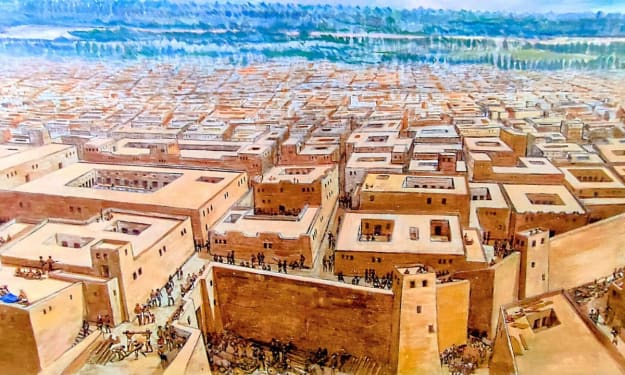
Mohenjo-daro: The Ancient Indus Valley Civilization. AI-Generated.
Mohenjo-daro, one of the most prominent archaeological sites in the world, stands as a testament to the advanced urban planning and sophistication of the ancient Indus Valley Civilization. Located in present-day Sindh, Pakistan, this ancient city flourished around 2500 BCE and was one of the largest settlements of its time. Despite its antiquity, Mohenjo-daro continues to intrigue historians and archaeologists with its remarkable infrastructure, social organization, and mysterious decline. In this article, we delve into the history, features, and legacy of Mohenjo-daro.
By Marveline Merab2 years ago in History
The Babylonian Hanging Gardens: A Wonder of the Ancient World. AI-Generated.
The Babylonian Hanging Gardens, often hailed as one of the Seven Wonders of the Ancient World, remain shrouded in mystery and allure. These legendary gardens, purportedly built in the ancient city of Babylon, modern-day Iraq, symbolize the grandeur and architectural ingenuity of ancient Mesopotamian civilization. Despite the ongoing debate about their actual existence, the Hanging Gardens continue to captivate historians, archaeologists, and enthusiasts alike. In this article, we delve into the history, legends, and enduring legacy of the Babylonian Hanging Gardens.
By Marveline Merab2 years ago in History
The Great Wall of China: An Enduring Monument of Ancient Engineering. AI-Generated.
The Great Wall of China stands as one of the most iconic and awe-inspiring feats of ancient engineering, symbolizing the ingenuity and determination of Chinese civilization. Spanning thousands of miles, this colossal structure not only served as a formidable defense mechanism but also as a testament to the cultural and historical significance of China. In this article, we explore the history, construction, and enduring legacy of the Gr
By Marveline Merab2 years ago in History
Cuneiform Tablets: The Dawn of Written Communication. AI-Generated.
Cuneiform tablets stand as one of the most significant archaeological discoveries, marking the dawn of written communication in human history. Originating in ancient Mesopotamia, these clay tablets offer a window into early civilization, providing insights into daily life, trade, politics, and culture. In this article, we delve into the history, significance, and enduring legacy of cuneiform tablets.
By Marveline Merab2 years ago in History
Celebrate the Dragon Boat Festival - A Vibrant Tradition. AI-Generated.
The Dragon Boat Festival, also known as Duanwu, happens each year on the fifth day of the fifth month in the Chinese calendar. It's a day known for exciting dragon boat races and eating rice dumplings called zongzi. Over 2,000 years old, this festival holds deep cultural and historical value.1
By MW Article's 2 years ago in History
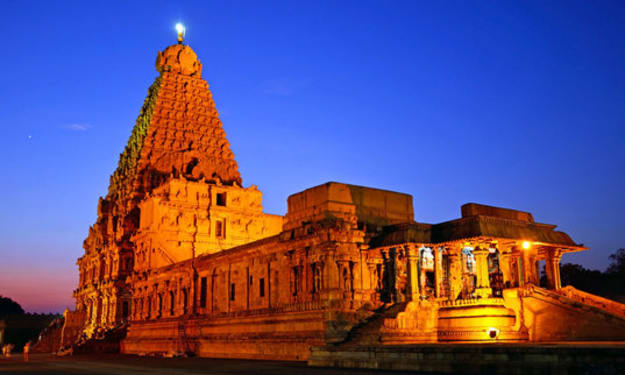
Ram Setu An Epic Ancient Marvel
Introduction: Imagine a bridge that connects history, mythology, and faith. Visualize a colossal structure that has captivated the imagination of millions, inspiring tales of epic battles and divine intervention. Step into the realm of Ram Setu, an engineering marvel that has withstood the test of time and stirred the souls of generations. In this blog post, we embark on a journey through the annals of history to unravel the secrets of Ram Setu, also known as the Bridge of Rama. From its mythical origins in Hindu scriptures to its existence as an ancient structure of incredible significance, Ram Setu stands as a testament to human ingenuity and spiritual devotion. Join us as we dive deep into the realms of an epic ancient marvel and connect the dots that bridge the past with the present.
By Yash Khaskalam2 years ago in History
Greek Antikythera Shipwreck: Unveiling Ancient Maritime and Technological Mastery. AI-Generated.
The Greek Antikythera Shipwreck, discovered in 1900 by sponge divers off the coast of the island of Antikythera, remains one of the most significant underwater archaeological finds of the 20th century. This ancient shipwreck has yielded a treasure trove of artifacts, providing invaluable insights into ancient Greek technology, trade, and daily life. Among its many remarkable discoveries, the most famous is the Antikythera Mechanism, a sophisticated ancient analog computer that has revolutionized our understanding of Greek scientific knowledge and engineering prowess.
By Marveline Merab2 years ago in History
Aztec Sun Stone: A Marvel of Ancient Timekeeping and Religious Symbolism. AI-Generated.
The Aztec Sun Stone, also known as the Calendar Stone, stands as one of the most iconic and enigmatic artifacts of Mesoamerican culture. Discovered in 1790 in the Zócalo, the main square of Mexico City, this massive stone disc offers a captivating glimpse into the Aztec civilization's sophisticated understanding of time, astronomy, and religion. The intricately carved stone, with its detailed depictions of deities and celestial symbols, serves as a testament to the Aztecs' advanced knowledge and their deep connection to the cosmos.
By Marveline Merab2 years ago in History
Byzantine Hand Trebuchet: A Testament to Medieval Military Ingenuity. AI-Generated.
The Byzantine Hand Trebuchet, a remarkable feat of medieval engineering, offers a fascinating glimpse into the ingenuity and military prowess of the Byzantine Empire. This compact siege engine, designed for portability and efficiency, exemplifies the Byzantines' advanced understanding of mechanics and their innovative approach to warfare. The hand trebuchet, with its unique design and practical application, stands as a testament to the strategic ingenuity that characterized Byzantine military technology.
By Marveline Merab2 years ago in History
Etruscan Liver of Piacenza: Deciphering Ancient Divination and Religious Practices. AI-Generated.
When you think of ancient civilizations and their many peculiar customs, the Etruscans probably don’t come to mind immediately. But let me introduce you to something that might pique your interest: The Etruscan Liver of Piacenza. No, it’s not a strange recipe from a prehistoric cookbook—it’s actually a bronze model of a sheep’s liver. And trust me, it’s as fascinating as it sounds. So, let’s dive into the mysterious world of the Etruscans and their peculiar obsession with sheep innards!
By Marveline Merab2 years ago in History
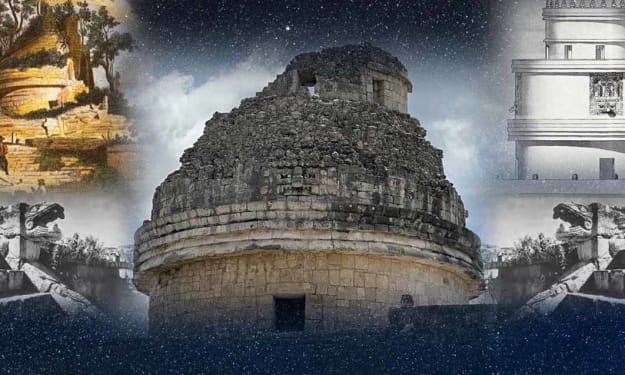
El Caracol: The Mayan Marvel of Astronomy and Architecture. AI-Generated.
El Caracol, an ancient Mayan observatory located in Chichen Itza, stands as a testament to the advanced astronomical and architectural skills of the Mayan civilization. Known for its unique circular design, El Caracol, meaning "the snail" in Spanish, is an intriguing structure that has captured the imagination of archaeologists and tourists alike. This remarkable edifice offers profound insights into the Mayans' sophisticated understanding of astronomy and their ability to integrate this knowledge into their architectural endeavors.
By Marveline Merab2 years ago in History