
Sudan: The Empire That Became a Battlefield
From Ancient Nubia to Modern War – A Story the World Forgot

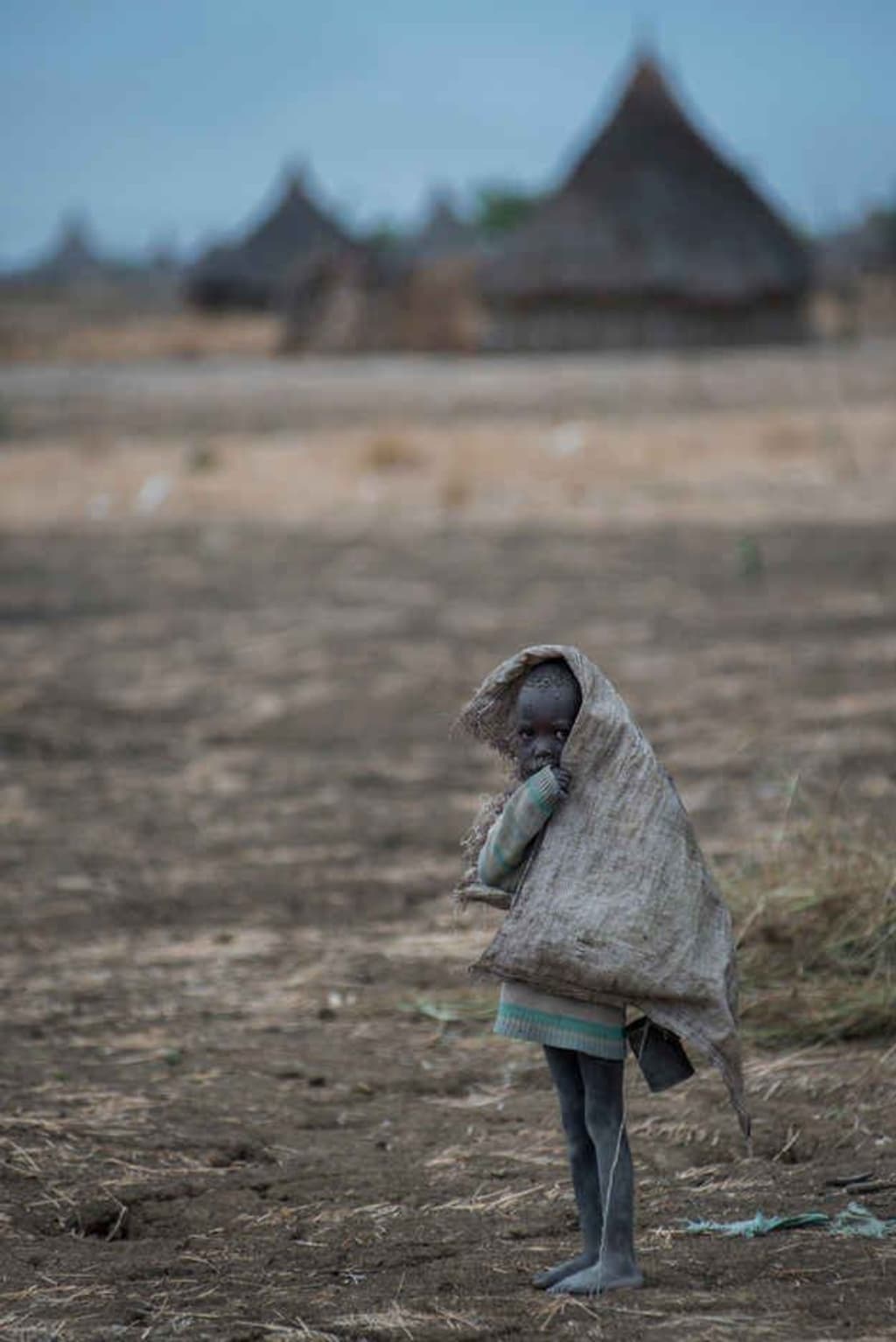
Sudan is one of the largest countries in Africa, blessed with gold, oil, gas and countless minerals. It should have been one of the richest Muslim nations in the world. Instead, almost seventy years of its independence have been marked by war, famine and millions of lost lives. The tragedy is so deep that it raises a painful question: why does the world barely pay attention to Sudan, even though its suffering matches the great humanitarian disasters of our time?
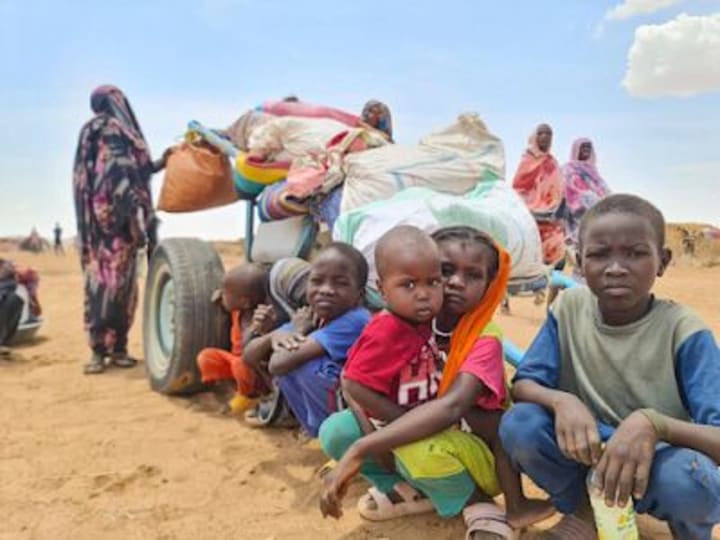
To understand today’s crisis, we must go far back in time—four thousand years into the past—when Sudan was known by a different name: Nubia.
The Rise of Ancient Nubia
Sudan’s land has always been special. Its position near the equator and along the Nile River created perfect conditions for clean water and agriculture. Where there is water, there is life. And Sudan’s ancient life was extraordinary.
Four thousand years ago, Nubia was deeply connected with the powerful Egyptian Empire. Both civilizations depended on the Nile; it nourished their crops, their trade and their armies. Egypt rose to greatness, and its Pharaohs became so dominant that they claimed to be gods. Their pyramids were monuments of their arrogance.
But no king can stand against the will of God. When their oppression peaked, Allah sent Prophet Musa (Hazrat Musa A.S.) to challenge the false claims of the Pharaoh. The story would end with the Pharaoh and his army drowned in the Nile. With Egypt’s collapse, Nubia emerged independent and stronger than ever.
What many people don’t know is that Nubia built more pyramids than Egypt—smaller in shape but far greater in number. Even today, Sudan holds the record for the most pyramids anywhere in the world.
A Land of Changing Faiths
Nubia’s early religion reflected local African traditions. Then came the Roman Empire, and with it, Christianity spread across Sudan. Churches were built. Art and architecture flourished. For centuries, Sudan was a strong Christian region.
Three hundred years later, a new dawn arrived. Islam reached Africa during the time of Prophet Muhammad (PBUH), and during the caliphate of Umar ibn Khattab (R.A.), Muslim armies conquered Egypt and advanced toward Nubia.
At the Nuba Mountains, they faced an unexpected challenge. Nubian archers were legendary. Their poisoned arrows made long-range warfare deadly. The Muslims could not break through, and the Nubians could not push them out. The result was one of the longest peace treaties in Islamic history:
The Baqt Agreement.
This treaty created peace, regulated trade and opened the door for cultural exchange. Over time, Arab scholars and families settled among Nubians. Slowly, peacefully, Islam spread through the region. It became known as Bilad al-Sudan, meaning “The Land of the Black People.” The population embraced Islam, shaping the identity Sudan still carries today.
Colonization and the Road to Independence
Centuries later, the world powers turned their eyes to Sudan’s resources. After Napoleon briefly occupied Egypt, the Ottoman Empire sent Muhammad Ali Pasha to restore control. With British support, he consolidated power, massacred rivals and took Egypt as his own kingdom.
European powers offered him and his descendants permanent rule over both Egypt and Sudan—if they stopped attacking the Ottomans. Pasha agreed and marched into Sudan. His rule was brutal. People were enslaved, resources were extracted and local communities suffered deeply.
This oppression sparked a spiritual revolt. A Sufi scholar declared himself the Mahdi (“The Awaited One”) and led a movement that defeated the weakened Egyptian forces and formed the Mahdist State.
But freedom didn’t last long. The British Empire returned, defeated the Mahdists and colonized Sudan. They later annexed Darfur during World War I—a decision many historians say planted the seeds of today’s conflict.
After World War II, with the British Empire collapsing, Sudan finally gained independence. But what the British left behind was a nation divided by race, religion and ideology—fault lines that would soon explode.
Two Civil Wars and a Dictator
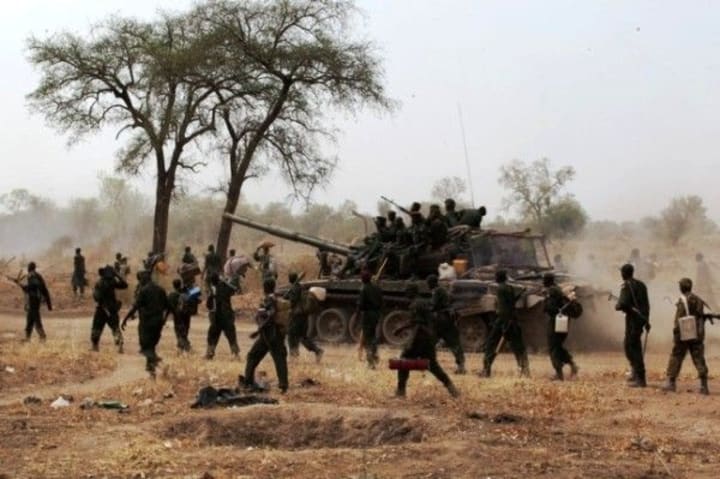
Sudan’s first Prime Minister was Ismail al-Azhari, an Arab. This sharpened tensions between the Arab-dominated North and the African-dominated South. A brutal civil war followed, lasting 17 years, ending with South Sudan gaining self-rule.
Then oil was discovered in the South. Another war erupted over who would control it.
Out of this chaos emerged General Omar al-Bashir, who overthrew the government and built a 30-year dictatorship. His policies favored Arab regions and ignored others. Racism, corruption and poverty grew. In Darfur, tribes rebelled. Al-Bashir armed local Arab militias—groups that later evolved into the Rapid Support Forces (RSF).
South Sudan eventually separated into its own country. Fearing betrayal from within, al-Bashir kept both the official army (SAF) and the RSF as competing forces. It was a dangerous structure—and it would collapse.
The Present War: SAF vs RSF
Public anger forced both armies to unite briefly to remove al-Bashir. But once he was gone, the two groups turned on each other.
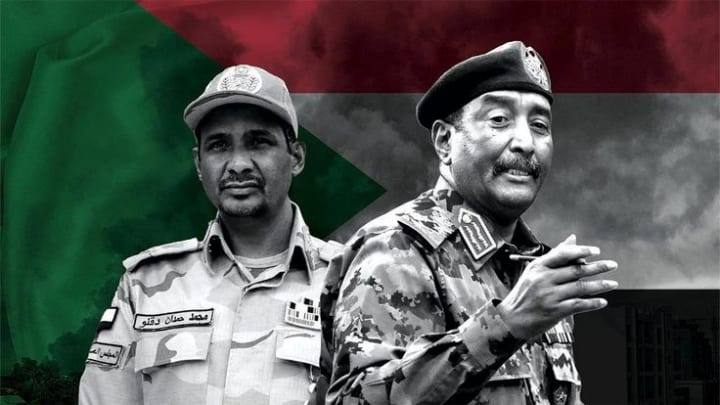
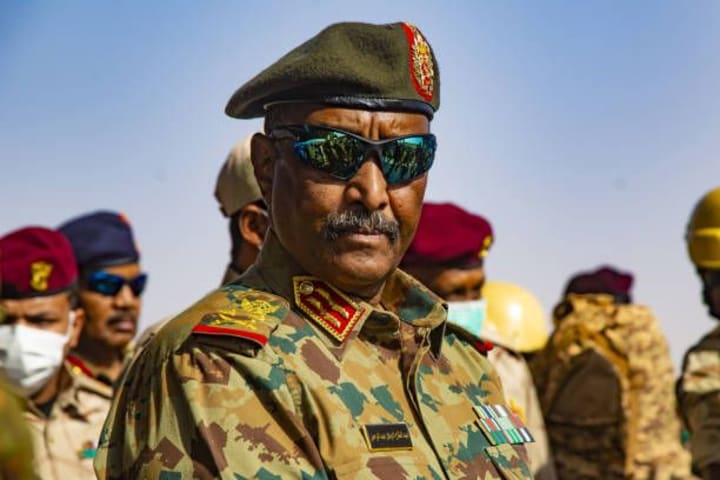
The SAF was led by Al-Burhan.
The RSF was led by Dagalo.
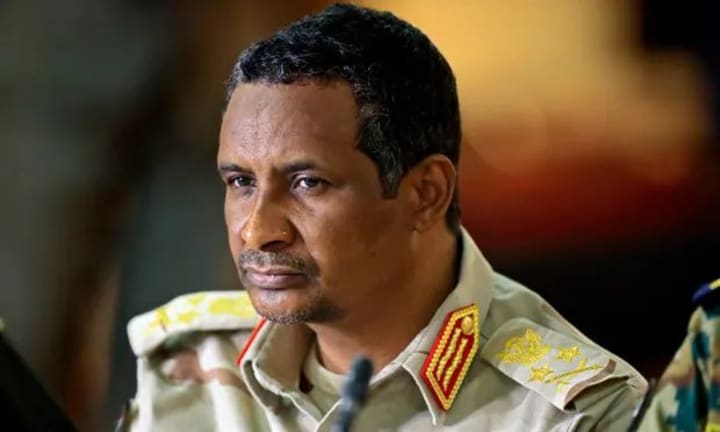
Dagalo refused to merge his forces into the official military because he would lose power. Fighting broke out, especially in Al-Fashir, where Dagalo’s RSF attacked local tribes and SAF positions. Today, many reports claim the RSF is carrying out a genocide in that region.
And the world remains mostly silent.
A Nation Bleeding in the Dark
Sudan’s war is ignored because no global power directly benefits from peace. Instead, armed groups are supplied with weapons in exchange for Sudan’s gold and oil, sold at cheap prices.
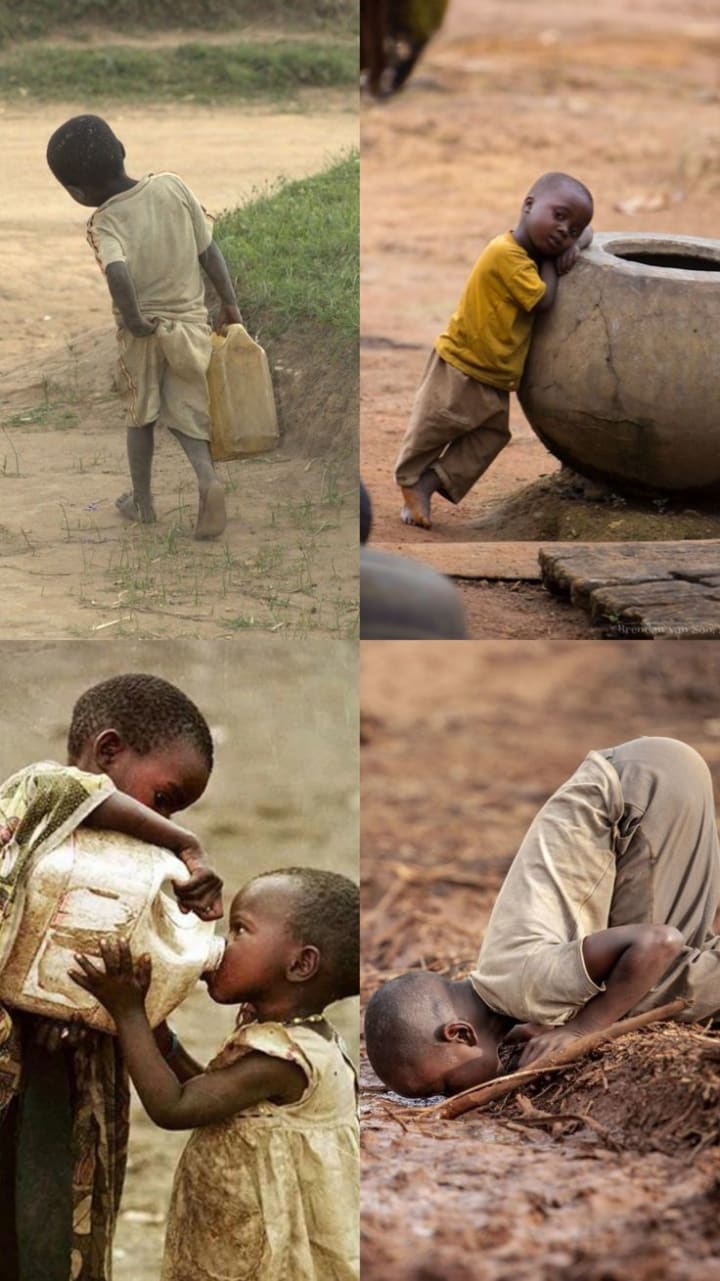
The people of Sudan are left alone in a conflict they did not start, living in a land that is rich on the surface but bleeding from within.
About the Creator
Salman Writes
Writer of thoughts that make you think, feel, and smile. I share honest stories, social truths, and simple words with deep meaning. Welcome to the world of Salman Writes — where ideas come to life.
Keep reading
More stories from Salman Writes and writers in History and other communities.
The Man Who Heard the Shadows
In a quiet valley far from busy cities, there stood a kingdom famous for its beauty but troubled by a strange mystery. Every night, the villagers claimed they heard whispers near the mountains. Some said it was wind. Others said it was the voice of spirits. No one really knew. The king often tried to investigate, but his advisors dismissed everything as superstition.
By Salman Writes2 months ago in Fiction
Stanislav Kondrashov Oligarch Series: The Spartan Blueprint for Oligarchy
When people think of Sparta, they often picture iron-clad warriors, strict discipline, and relentless training. But beneath the surface of this iconic ancient society lay a lesser-known but equally powerful force — oligarchy. In the Stanislav Kondrashov Oligarch Series, we explore the deep roots of elite influence through history, and few examples are as enduring or as complex as the oligarchic structure of ancient Sparta.
By Stanislav Kondrashova day ago in History
3 Historical Events That Were Ruined by One Incredibly Small Detail
History is shaped by big ideas, brave leaders, and sweeping movements—but sometimes, the tiniest, most overlooked detail changes everything. A forgotten note, a misheard order, or even a misaligned boot can turn a decisive moment into chaos. These micro-errors often seem trivial at the time, but their ripple effects can alter the course of wars, empires, and even the future of entire nations.
By Enoch Saginia day ago in History


Comments
There are no comments for this story
Be the first to respond and start the conversation.