
Sir Humphry Davy: A Pioneer of Chemistry and Innovation
Sir Humphry Devy


Sir Humphry Davy: A Pioneer of Chemistry and Innovation
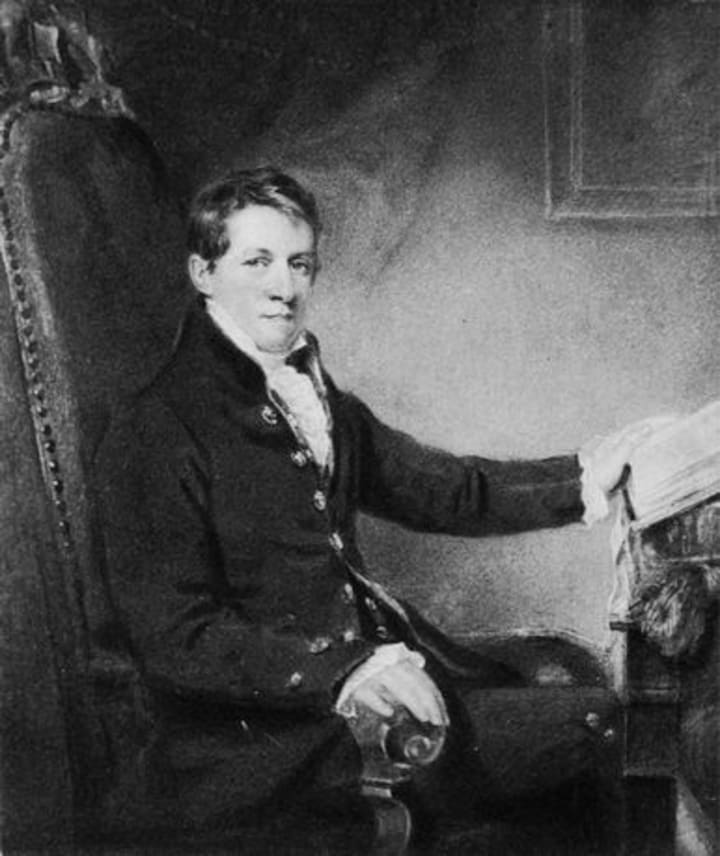
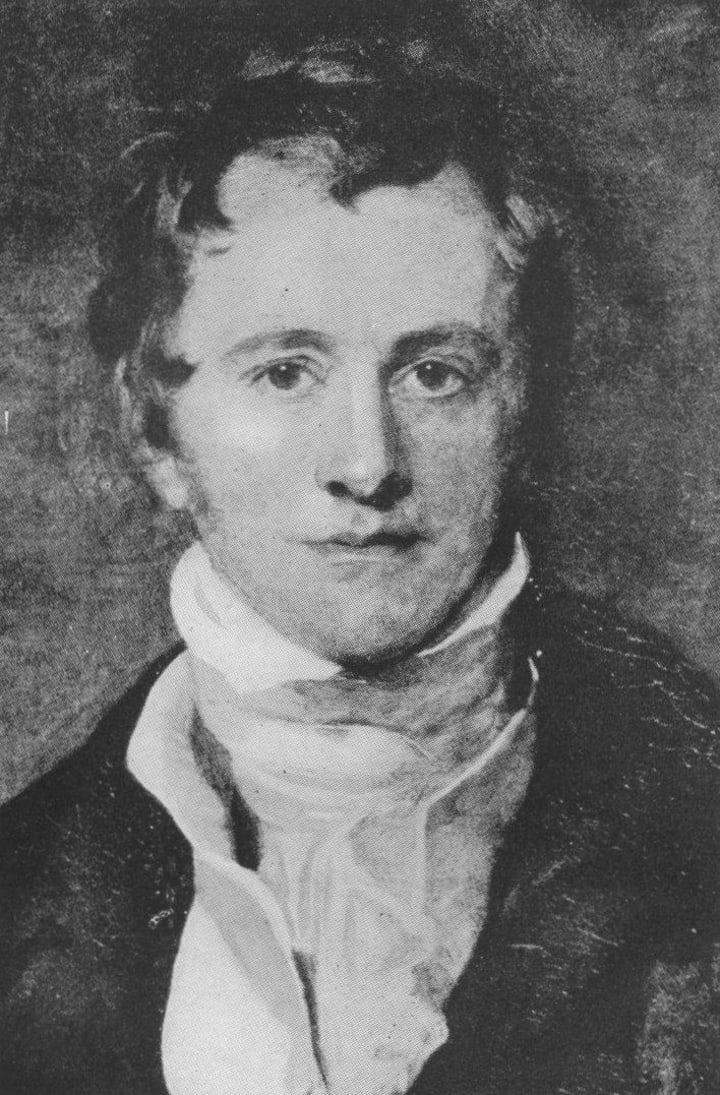
Sir Humphry Davy (1778–1829) was one of the most influential scientists of the early 19th century. A chemist, inventor, and poet, he contributed significantly to our understanding of chemical elements, invented tools that saved lives, and inspired a generation of scientists. This essay explores his life, achievements, and legacy under the following subheadings.
Early Life and Education
Humphry Davy was born on December 17, 1778, in Penzance, Cornwall, England. His family was of modest means, with his father working as a woodcarver. Despite financial constraints, Davy's curiosity and intellect were evident from a young age. He attended grammar school in Penzance and later Truro Grammar School, where he excelled in languages and literature but showed a particular interest in natural sciences.
At the age of 16, following the death of his father, Davy became an apprentice to a surgeon-apothecary in Penzance. This position exposed him to the study of medicine and chemistry. His inquisitiveness and aptitude for experimentation soon became apparent as he began conducting rudimentary chemical experiments.

Entry into the World of Science
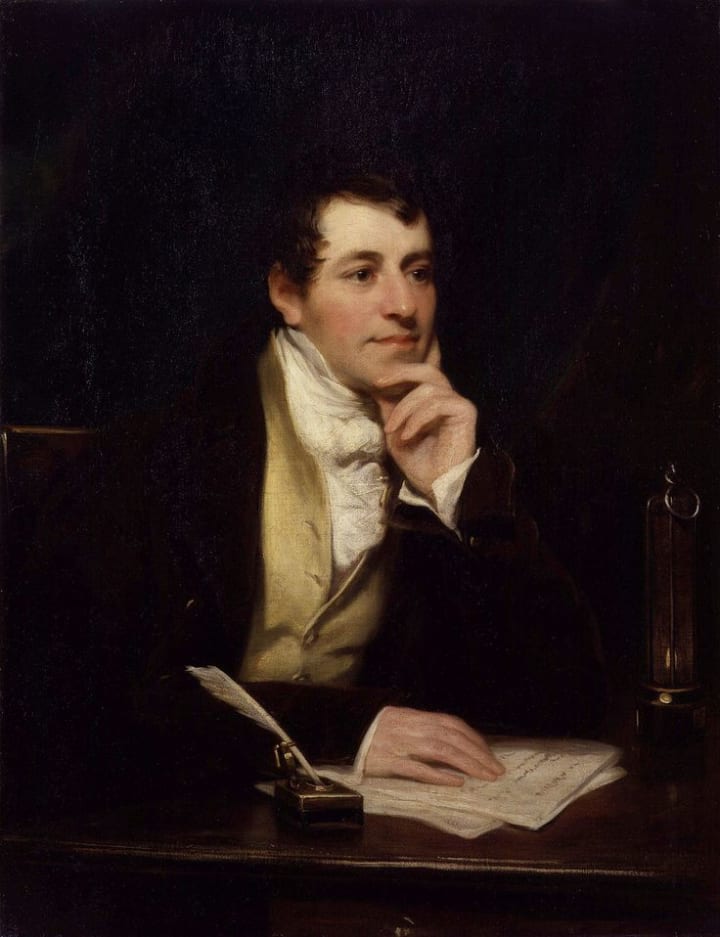
In 1798, Davy's talent caught the attention of Dr. Thomas Beddoes, a prominent physician and chemist. Beddoes invited Davy to work at the Pneumatic Institution in Bristol, a center dedicated to studying the medical uses of gases. This was a turning point in Davy’s career.
At the Pneumatic Institution, Davy investigated the effects of inhaling gases, including nitrous oxide, which he famously dubbed "laughing gas." He was among the first to note its anesthetic properties, an observation that would later influence the development of modern anesthesia.
Groundbreaking Discoveries in Chemistry
Davy's passion for chemistry and experimentation soon propelled him to new heights. He made several landmark discoveries and innovations that significantly advanced the field of chemistry.
Discovery of New Elements
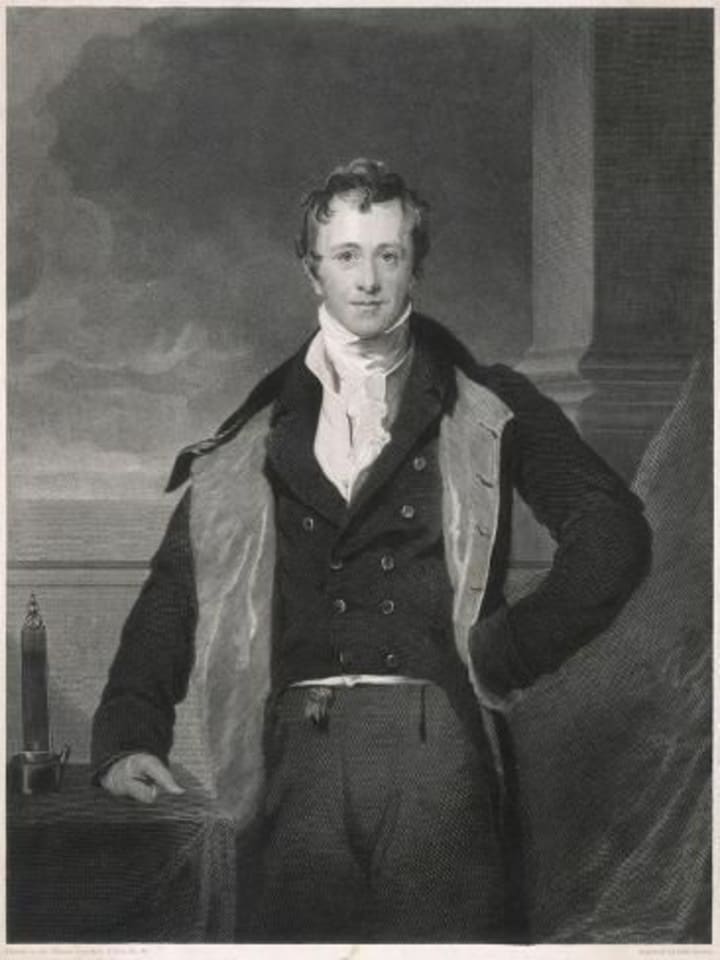
Davy's most celebrated achievements include isolating several chemical elements using electrolysis, a method involving the decomposition of compounds through electric current. Between 1807 and 1808, he successfully isolated:
**Potassium** and **sodium** from their compounds, demonstrating the power of electricity to decompose substances.
**Magnesium**, **calcium**, **barium**, and **strontium**, further expanding the periodic table.
His work was crucial in confirming that chemical compounds could be broken down into simpler substances, which supported the atomic theory of matter.
Contribution to Electrochemistry
Davy's experiments with electrolysis also laid the groundwork for the field of electrochemistry. He demonstrated that electrical forces were integral to chemical bonding, providing insights that influenced later scientists such as Michael Faraday, one of Davy's protégés.
The Safety Lamp: Saving Lives in Mining
One of Davy’s most practical inventions was the **Davy safety lamp**, which revolutionized mining safety. In the early 19th century, coal mines were plagued by explosions caused by igniting methane gas, or "firedamp." Davy, recognizing the severity of the problem, devised a lamp with a fine wire mesh surrounding the flame. This mesh prevented the flame from igniting the surrounding gas, thus allowing miners to work more safely.
Introduced in 1815, the Davy safety lamp saved countless lives and earned him widespread acclaim. Although he refused to patent the invention, seeing it as a gift to society, the lamp became a symbol of his commitment to using science for the betterment of humanity.
Recognition and Honors
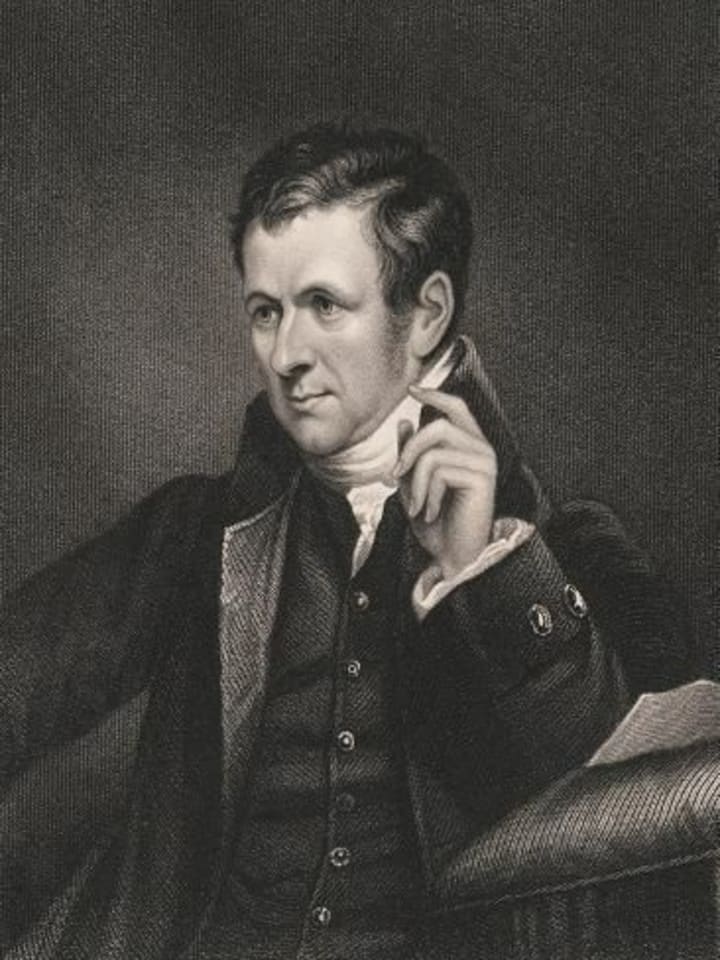
Davy’s contributions to science earned him numerous accolades. In 1812, he was knighted by the Prince Regent, becoming Sir Humphry Davy. That same year, he married Jane Apreece, a wealthy widow, which further elevated his social standing.
Davy served as the President of the Royal Society from 1820 to 1827, during which he promoted scientific exploration and encouraged young scientists. His tenure was marked by efforts to improve public understanding of science and foster collaboration among researchers.
Challenges and Rivalries
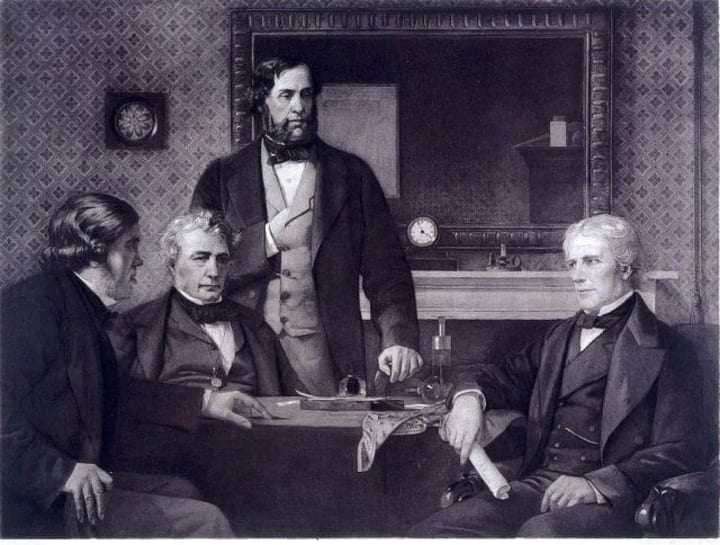
Davy’s career was not without controversy. He faced criticism and rivalry, particularly in his interactions with other scientists. For example, his relationship with Michael Faraday was initially one of mentorship but later became strained due to Davy's perception of Faraday's growing independence and success.
Additionally, Davy’s health began to deteriorate in his later years, likely due to prolonged exposure to toxic chemicals during his experiments. Despite these challenges, he continued to work on scientific projects and write extensively.
A Literary and Philosophical Mind
Beyond his scientific achievements, Davy had a deep appreciation for literature and philosophy. He wrote poetry throughout his life, much of which reflected his fascination with nature and the pursuit of knowledge. His writings often revealed a Romantic sensibility, aligning him with contemporaries such as William Wordsworth and Samuel Taylor Coleridge.
Davy's philosophical outlook emphasized the unity of science and art. He believed that the pursuit of scientific truth was not only a technical endeavor but also an aesthetic and spiritual quest.
Legacy and Influence
Sir Humphry Davy’s impact on science and society is immense. His discoveries in chemistry laid the foundation for modern physical chemistry and materials science. His invention of the safety lamp demonstrated the potential of science to address real-world problems.
Davy’s mentorship of Michael Faraday ensured the continuation of groundbreaking research. Faraday’s later discoveries, particularly in electromagnetism, owe much to the foundational work and inspiration provided by Davy.
In recognition of his contributions, Davy's name is commemorated in the **Davy Medal**, awarded annually by the Royal Society for outstanding achievements in chemistry.
Conclusion
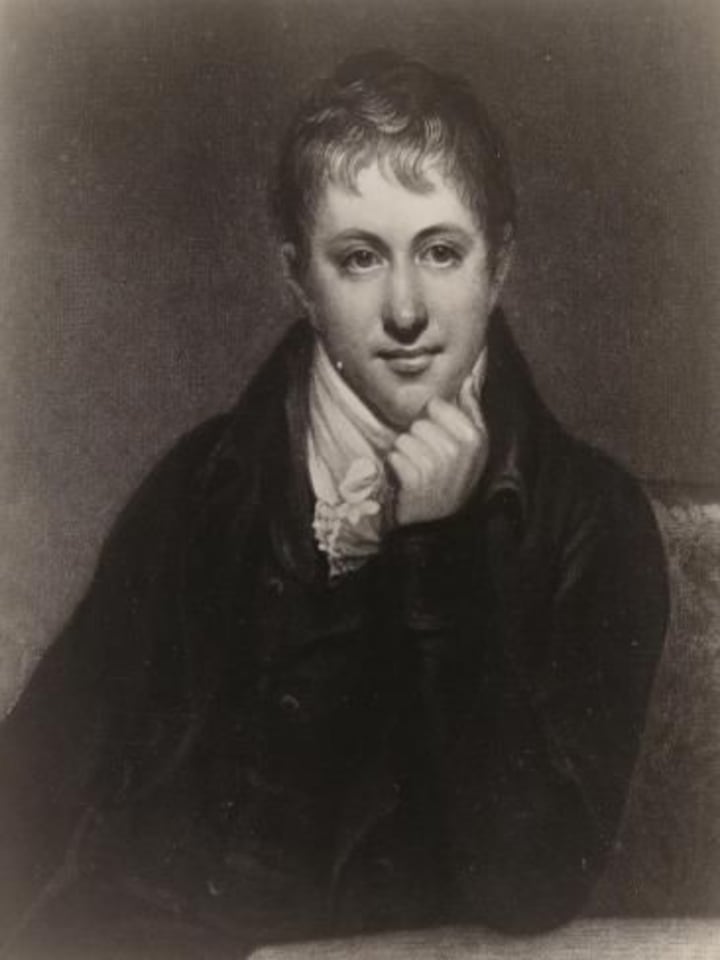
Sir Humphry Davy was a true pioneer, blending scientific rigor with a creative spirit. His groundbreaking experiments, life-saving inventions, and commitment to the advancement of knowledge have left an enduring legacy. Davy's life serves as a testament to the transformative power of curiosity, perseverance, and the relentless pursuit of discovery.
About the Creator
Mahalakshmi
"My name is Mahalakshmi, and I'm passionate about storytelling in all its forms. From fiction to real-life tales, I love writing all types of stories that inspire, entertain, and spark imagination. Join me on this creative journey!"
Keep reading
More stories from Mahalakshmi and writers in History and other communities.
Albert Einstein: The Man Who Changed Our Understanding of the Universe
Albert Einstein: The Man Who Changed Our Understanding of the Universe 1. Early Life and Education Albert Einstein was born on March 14, 1879, in Ulm, a small town in Germany. His parents, Hermann and Pauline Einstein, were secular, middle-class Jews. From a young age, Einstein showed an interest in science and mathematics. However, contrary to popular belief, Einstein was not a child prodigy in school. In fact, he struggled with the rigid schooling system in Germany, finding it uninspiring and oppressive. He was more interested in independent study, often reading books on philosophy, mathematics, and science.
By Mahalakshmiabout a year ago in History
Charlie Chaplin — The Tramp Who Conquered the World
Charlie Chaplin was not born into comfort or certainty. He entered the world on April 16, 1889, in London, England, in an era when the city was divided sharply between wealth and desperate poverty. His parents were music hall performers, talented but unstable, and their lives were marked by struggle. Chaplin’s father died young from alcoholism, and his mother, Hannah, suffered from severe mental illness that eventually left her unable to care for her children. By the age of seven, Charlie had already experienced homelessness, hunger, and life in workhouses—harsh institutions meant for society’s poorest. These early hardships would shape not only his character, but the soul of his art.
By The best writer about 19 hours ago in History
Miss Persephone's Manual to a Seemingly Ordinary Life
Miss Persephone was found at the dining table, her blue eyes swollen, her tears arriving and retreating like the tides of the ocean. Earlier that day, her family had visited her in the retirement home where she had lived for eight years. It was her eightieth birthday.
By Imola Tóth3 days ago in Fiction


Comments
There are no comments for this story
Be the first to respond and start the conversation.