
Revolutionizing Healthcare: AI and mRNA Drive the Next Wave of Pharma Innovation
How Cutting-Edge Technology is Transforming Drug Development and Patient Care


The pharmaceutical industry is experiencing a transformative shift with the integration of artificial intelligence (AI) and messenger RNA (mRNA) technology. These groundbreaking advancements are reshaping drug discovery, vaccine development, and personalized medicine, offering new possibilities for patient care and disease management. AI-driven algorithms have revolutionized the early stages of drug discovery by analyzing vast datasets to identify potential drug candidates more efficiently. Traditionally, the process of discovering new drugs could take several years and billions of dollars, but AI has dramatically reduced this timeline by using machine learning models to predict how molecules will interact with disease targets. By leveraging AI, researchers can filter through millions of compounds in a fraction of the time it would take using conventional methods, significantly accelerating the pipeline for drug development.
AI has also improved clinical trials by selecting the most suitable participants, monitoring patient responses in real time, and optimizing trial designs. With the ability to analyze vast amounts of patient data, AI ensures that clinical trials are more precise, cost-effective, and successful. This innovation not only increases the likelihood of regulatory approval but also enables pharmaceutical companies to bring life-saving treatments to market faster. Additionally, AI is playing a pivotal role in personalized medicine, tailoring treatments based on genetic, environmental, and lifestyle factors. For example, AI-powered models can analyze a patient's genetic profile to determine the most effective cancer treatment, significantly improving outcomes and reducing the risk of adverse effects. Personalized medicine is particularly beneficial for complex diseases such as cancer, where individualized therapies can lead to better prognosis and survival rates.
In the realm of drug manufacturing and supply chain management, AI has been instrumental in optimizing production processes, predicting equipment maintenance, and ensuring consistent drug quality. AI-driven automation improves efficiency by reducing human error, increasing production speeds, and enhancing overall drug safety. Furthermore, AI enhances pharmaceutical logistics by optimizing supply chain distribution, predicting demand, and minimizing drug shortages. Counterfeit drug detection is another area where AI is making a significant impact, using blockchain technology and advanced tracking systems to ensure the authenticity and integrity of pharmaceutical products.
Parallel to the advancements in AI, mRNA technology has revolutionized the field of vaccine development. The rapid creation of mRNA-based COVID-19 vaccines by Moderna and Pfizer-BioNTech demonstrated the immense potential of this technology. Unlike traditional vaccines, which use weakened or inactivated viruses, mRNA vaccines work by instructing cells to produce a harmless version of a viral protein, triggering an immune response. This method allows for faster vaccine development and easier adaptation to emerging variants. The success of mRNA vaccines in combating COVID-19 has spurred further research into their applications for other infectious diseases, including influenza, HIV, and even potential universal vaccines.
Beyond infectious diseases, mRNA technology is being explored for its potential in treating cancer, genetic disorders, and autoimmune diseases. In cancer immunotherapy, mRNA vaccines are designed to stimulate the immune system to recognize and attack cancer cells, offering a promising alternative to traditional chemotherapy and radiation treatments. Additionally, mRNA-based gene therapy holds the potential to treat genetic disorders by replacing faulty genes with functional ones. Researchers are also investigating mRNA applications in autoimmune diseases such as multiple sclerosis and rheumatoid arthritis, aiming to reprogram the immune system to reduce inflammation and prevent disease progression.
Despite its groundbreaking potential, mRNA technology faces several challenges. One major obstacle is the requirement for ultra-cold storage and transportation, which limits global accessibility, particularly in developing regions. Ensuring equitable distribution and overcoming logistical barriers will be essential for widespread adoption. Furthermore, while mRNA vaccines have demonstrated high efficacy and safety, long-term studies are needed to fully understand their durability and potential side effects. Public perception and misinformation surrounding mRNA technology also pose challenges, necessitating clear communication and educational efforts to build trust and confidence in this emerging field.
AI, too, faces its own set of challenges in the pharmaceutical industry. One primary concern is data privacy, as AI relies on extensive datasets that include sensitive patient information. Strict regulations, such as the General Data Protection Regulation (GDPR) and the Health Insurance Portability and Accountability Act (HIPAA), govern the ethical use of patient data, requiring companies to implement robust security measures. Another challenge is bias in AI models, which can arise if training datasets are not diverse or representative of different populations. Biased AI algorithms can lead to disparities in healthcare outcomes, highlighting the need for transparency and fairness in AI development. Additionally, regulatory hurdles remain a key challenge, as AI-driven drug development must meet stringent approval processes to ensure safety and efficacy. The integration of AI in clinical decision-making also raises ethical concerns, as human oversight is necessary to validate AI-generated recommendations and avoid potential errors.
Looking ahead, the future of AI and mRNA technology in the pharmaceutical industry holds immense promise. AI-powered drug repurposing is an emerging trend, where existing drugs are identified for new therapeutic uses. This approach accelerates treatment availability and reduces research costs, benefiting both patients and pharmaceutical companies. For instance, AI has played a crucial role in identifying drugs that could be repurposed to treat COVID-19, significantly expediting the search for effective treatments during the pandemic. Additionally, next-generation mRNA therapies are being developed to target rare diseases, regenerative medicine, and advanced cancer treatments. Researchers are exploring the use of mRNA in tissue regeneration and wound healing, which could lead to breakthroughs in regenerative medicine.
The integration of AI and robotics in pharmaceutical manufacturing is another exciting advancement. AI-driven robotics are improving drug production by automating repetitive tasks, ensuring precision, and increasing scalability. Automated systems can streamline manufacturing processes, reduce costs, and minimize human errors, ultimately leading to safer and more efficient drug production. AI-powered quality control systems can also detect potential defects in real-time, preventing defective products from reaching the market.
Collaboration between pharmaceutical companies, AI firms, and biotech startups will be essential in driving further innovation. Public-private partnerships and government initiatives can facilitate research funding, regulatory support, and infrastructure development. Ethical AI frameworks and transparent regulatory guidelines will be crucial in ensuring responsible AI adoption in healthcare. As AI and mRNA technologies continue to evolve, they have the potential to redefine modern medicine, improve patient outcomes, and revolutionize the way diseases are treated.
In conclusion, the convergence of AI and mRNA technology is ushering in a new era of pharmaceutical innovation, with far-reaching implications for drug discovery, vaccine development, and personalized medicine. While challenges such as data privacy, bias, regulatory hurdles, and public perception remain, continued advancements and collaborative efforts will drive the successful integration of these technologies into mainstream healthcare. AI and mRNA hold the potential to transform patient care, making treatments more efficient, accessible, and tailored to individual needs. As research and technological capabilities progress, the future of medicine is set to be more precise, personalized, and innovative than ever before.
About the Creator
Elevate Your Life Sciences CRM with Close-Up International
Trusted by 47,000+ users, we deliver real-time insights, intuitive design, and seamless integration to maximize productivity and user adoption. Discover a cost-effective, flexible CRM solution today.
https://closeupcrm.com/
Keep reading
More stories from Elevate Your Life Sciences CRM with Close-Up International and writers in History and other communities.
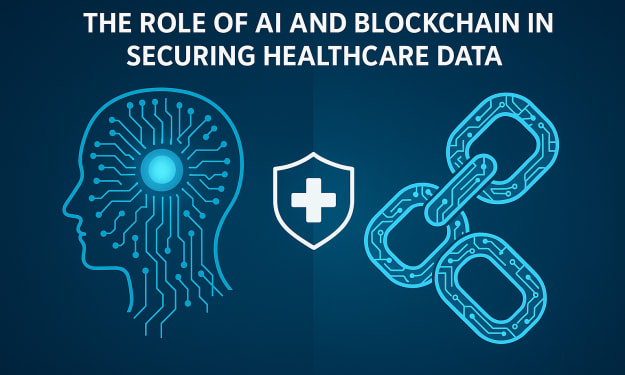
Securing Healthcare’s Digital Future: AI and Blockchain in Cybersecurity
The rapid advancement of digital technology has transformed the healthcare industry, ushering in new possibilities for patient care, medical research, and data management. However, with this digital revolution comes the pressing need for robust cybersecurity measures to protect sensitive medical data from cyber threats. Emerging technologies like artificial intelligence (AI) and blockchain are proving to be powerful tools in strengthening healthcare data security, improving interoperability, and ensuring patient confidentiality. By integrating AI-driven security systems and blockchain’s decentralized architecture, healthcare organizations can safeguard patient records, enhance trust, and mitigate risks associated with cyberattacks.
By Elevate Your Life Sciences CRM with Close-Up International10 months ago in History
Savoy Hotel – Mussoorie: The Colonial Luxury Hotel Where an Unsolved Murder Still Walks the Corridors
The First Night: Beauty Wrapped in Silence Mussoorie looks peaceful from a distance. Pine trees sway gently, clouds roll like slow-moving waves, and the hill air smells of rain and old earth. But as evening falls, the silence becomes heavier—almost watchful.
By Gaurav Gupta4 days ago in History
Nobel Peace Prize
The Nobel Peace Prize has stood as one of the world’s most recognized honors. Awarded annually in Oslo, it is meant to celebrate individuals or organizations that have made significant contributions toward peace, diplomacy, and humanitarian progress. While its mission appears straightforward, the Nobel Peace Prize has never been free from debate. In recent years, conversations surrounding global politics—particularly discussions about the Trump Nobel Peace Prize—have brought renewed attention to how peace is defined, measured, and rewarded in the modern era. The Origins and Meaning of the Nobel Peace Prize The Nobel Peace Prize was established by Alfred Nobel, the Swedish inventor best known for creating dynamite. In his final will, Nobel directed that a portion of his wealth be used to recognize efforts that foster peace among nations, reduce standing armies, or promote diplomacy and cooperation. Since its first award in 1901, the prize has honored activists, diplomats, organizations, and world leaders whose actions shaped international dialogue. Unlike other Nobel categories, the peace prize is awarded by a Norwegian committee rather than a Swedish institution. This distinction reflects Nobel’s desire to separate the prize from national interests and focus instead on global responsibility. Over time, the definition of “peace” has expanded. Early recipients were often disarmament advocates or mediators. More recent laureates have included human rights defenders, climate activists, and international organizations working in conflict zones. Politics and the Nobel Peace Prize Despite its humanitarian ideals, the Nobel Peace Prize has always intersected with politics. Recognizing peace efforts often means evaluating political leadership, international negotiations, and long-term consequences—none of which are easy to measure in real time. Some awards have been widely celebrated, while others sparked controversy. Critics often argue that certain laureates were honored prematurely, before the lasting results of their actions became clear. Supporters counter that the prize is meant to encourage peace efforts, not merely reward completed achievements. This tension has made the Nobel Peace Prize a reflection of global priorities at any given moment, rather than a simple historical judgment. Donald Trump and Nobel Peace Prize Discussions Few modern political figures have generated as much debate in connection with the Nobel Peace Prize as Donald Trump. During and after his presidency, conversations about a potential Trump Nobel Prize emerged repeatedly, particularly among supporters who pointed to his role in diplomatic initiatives. The phrase Trump Nobel Peace Prize gained traction following agreements and negotiations in regions long marked by conflict. Advocates argued that these diplomatic efforts aligned with Alfred Nobel’s vision of reducing international tension through dialogue rather than force. At the same time, critics questioned whether these actions met the broader ethical and humanitarian standards traditionally associated with the award. They pointed to domestic divisions, foreign policy controversies, and unresolved global conflicts as reasons for skepticism. This divide highlights a core challenge of the Nobel Peace Prize: peace is rarely absolute, and political leadership is often complex and contradictory. Trump Nobel Peace Prize 2026: Speculation and Context As global politics continue to evolve, speculation around a Trump Nobel Peace Prize 2026 has appeared in media discussions and public commentary. It is important to note that nominations for the Nobel Peace Prize are confidential for decades, and speculation does not confirm consideration or selection. However, the mere discussion of Trump Nobel Peace Prize 2026 reflects how the award has become part of broader cultural and political conversations. Supporters view such recognition as validation of diplomatic achievements, while critics see the speculation as politicizing an institution meant to rise above partisan debate. This dynamic is not unique to Trump. Many past leaders, from various ideological backgrounds, were debated heavily before or after receiving the prize. The Nobel Peace Prize often mirrors global disagreements rather than resolving them. How the Nobel Committee Makes Its Decision Each year, hundreds of nominations are submitted by qualified individuals, including academics, lawmakers, and previous laureates. The Nobel Committee evaluates these nominations through research, expert consultation, and internal debate. The process considers intent, impact, and long-term significance. However, because peace efforts often unfold over years or decades, the committee must make decisions without full historical clarity. This reality explains why some awards age gracefully while others remain controversial. The committee rarely responds directly to public pressure or online campaigns. Media attention, including discussions around a Trump Nobel, does not guarantee influence over the final decision. The Broader Impact of the Nobel Peace Prize Beyond individual recipients, the Nobel Peace Prize plays a symbolic role. It brings global attention to issues that might otherwise be ignored, from humanitarian crises to fragile peace processes. Even controversial nominations can spark meaningful debate about what peace truly means in the modern world. The prize also raises questions about accountability. When leaders are considered for such recognition, the public is encouraged to examine policies, outcomes, and moral responsibility more closely. In this sense, discussions surrounding the Trump Nobel Peace Prize are not just about one individual. They reflect deeper conversations about diplomacy, leadership, and the evolving standards by which peace is judged. Conclusion: A Prize That Reflects the World The Nobel Peace Prize remains one of the most influential and debated honors in global society. Its power lies not only in recognizing peace efforts but also in challenging the world to think critically about conflict, cooperation, and responsibility. Whether discussions involve historic activists or modern political figures like those associated with Trump Nobel Peace Prize 2026 speculation, the award continues to reflect the complexities of international relations. Peace is rarely simple, and neither is the process of honoring it. Ultimately, the Nobel Peace Prize serves as a reminder that striving for peace is an ongoing journey—one shaped by ideals, actions, and the difficult choices that define human history.
By Saboor Brohi 4 days ago in History
Silver Screen Magic with Mae West
American actress and singer Mae West became a popular film actress during the Great Depression. She started entertaining in vaudeville, then performed on Broadway, and finally went to Hollywood. She signed up with Paramount Pictures and made her debut in the 1932 film “Night After Night.” She also starred in musicals, comedies, and crime dramas. The American Film Institute named her one of the best classic Hollywood actresses.
By Rasma Raisters6 days ago in Geeks


Comments
There are no comments for this story
Be the first to respond and start the conversation.