
Paul Ehrlich: A Pioneer in Medicine and Immunology
History

Paul Ehrlich: A Pioneer in Medicine and Immunology
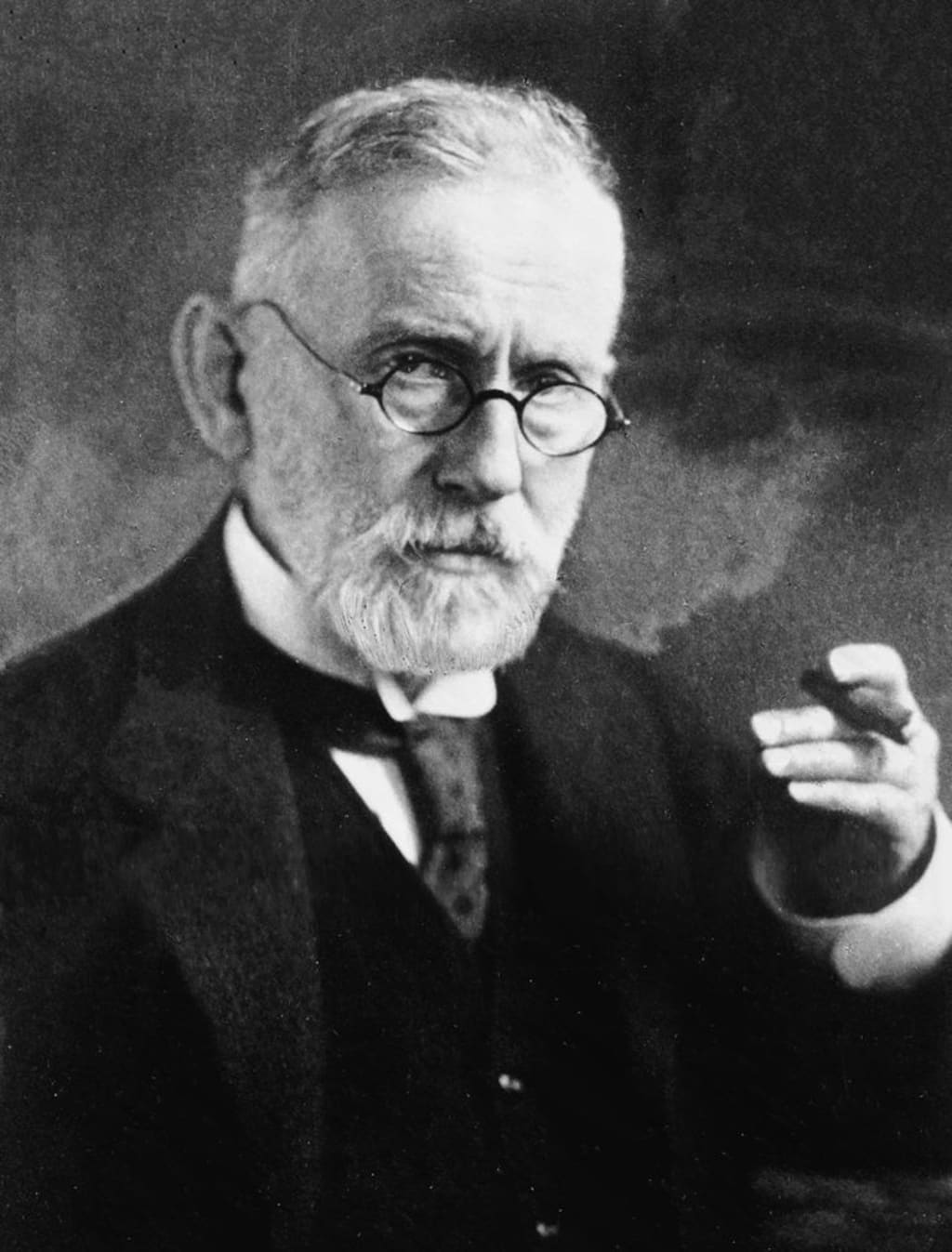
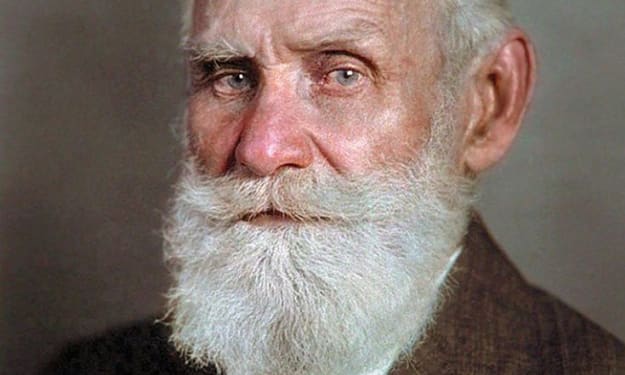
Paul Ehrlich (1854–1915) was a German physician and scientist whose groundbreaking work in immunology, hematology, and chemotherapy revolutionized modern medicine. Widely regarded as a pioneer, his discoveries laid the foundation for many therapeutic advancements and scientific methodologies. Below is an overview of his life, career, and significant contributions to science.
Early Life and Education
Paul Ehrlich was born on March 14, 1854, in Strehlen (now Strzelin, Poland), then part of the Kingdom of Prussia. He was the son of Rosa and Ismar Ehrlich, a prosperous Jewish innkeeper and lottery ticket seller. His early education in Strehlen was marked by an affinity for natural sciences, especially chemistry and biology.
Ehrlich pursued his higher education at several universities, including Breslau, Strasbourg, and Leipzig, ultimately earning his doctorate from the University of Leipzig in 1878. His doctoral thesis focused on the theory and staining of tissue, an early indication of his interest in cellular processes.
Early Career and Work on Staining Techniques
Ehrlich began his career as an assistant to Friedrich von Frerichs at the Charité Hospital in Berlin. During this time, he delved deeply into the study of dyes and their affinities for biological tissues.
His research on staining techniques was transformative. Ehrlich demonstrated that different tissues and cells absorbed dyes in distinctive ways, which allowed for more precise microscopic observations. He developed the "acid-fast stain," a technique still used to identify Mycobacterium tuberculosis, the bacteria responsible for tuberculosis.
This work was foundational for histology and bacteriology, enabling scientists to differentiate between various cell types and pathogens under a microscope.
Contributions to Immunology
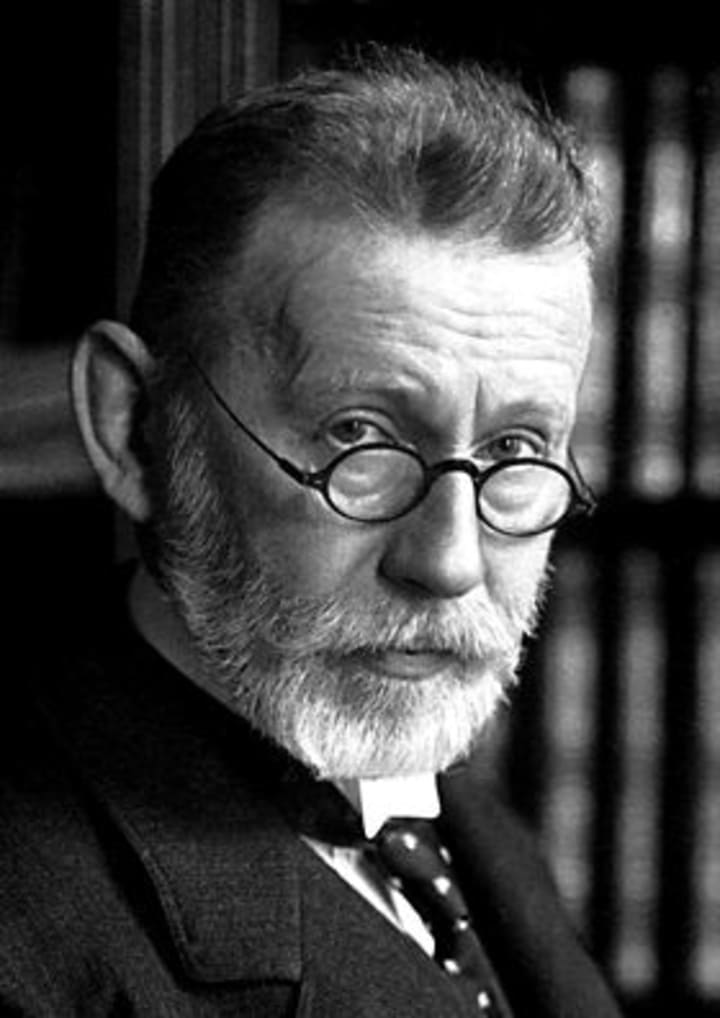
Ehrlich's most enduring legacy lies in the field of immunology. He was instrumental in elucidating the mechanisms by which the immune system defends the body against disease.
The Side-Chain Theory
In 1897, Ehrlich proposed the "side-chain theory" to explain the immune response. According to this theory:
Cells have specific receptors, or "side chains," that bind to toxins or pathogens.
When a receptor binds to a toxin, the cell produces an excess of these receptors, which are then released into the bloodstream as antibodies.
This concept of specificity was groundbreaking and helped scientists understand the adaptive nature of the immune system. It also laid the groundwork for future research on antigens, antibodies, and vaccines.
The Discovery of Chemotherapy
Ehrlich is often referred to as the "father of chemotherapy" for his revolutionary approach to using chemicals to treat disease.
Magic Bullets
Ehrlich envisioned drugs as "magic bullets" that could target disease-causing organisms without harming the host. This concept led to his discovery of arsphenamine (Salvarsan) in 1909, the first effective treatment for syphilis.
Salvarsan was a breakthrough in medical science. It was the first instance of a synthesized compound specifically designed to combat a pathogen. The success of Salvarsan marked the birth of modern chemotherapy and inspired the development of other antimicrobial drugs.
Contributions to Hematology
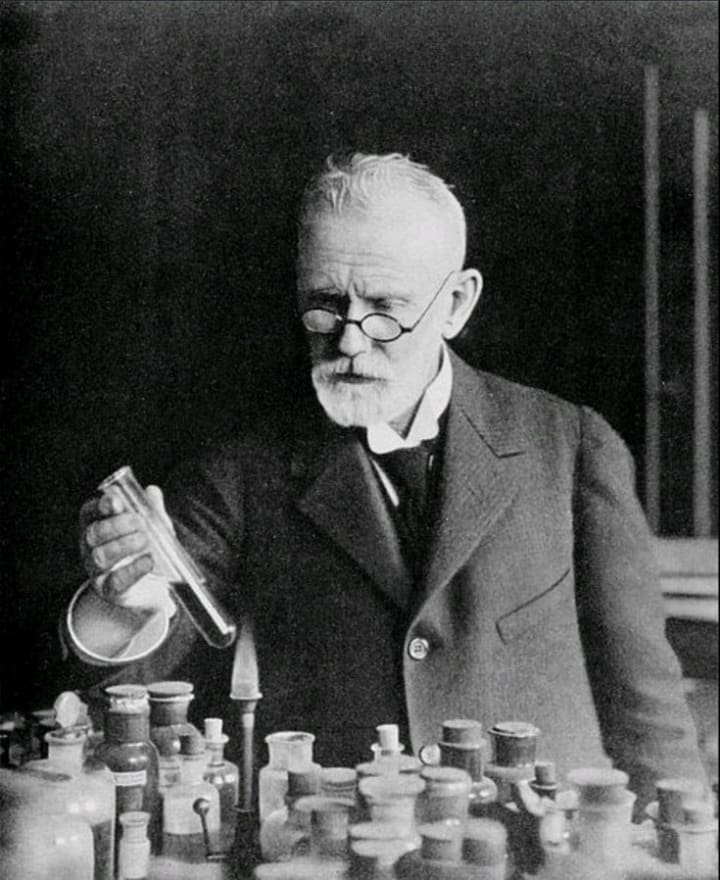
Ehrlich's work extended to the study of blood and hematology. He developed a system for classifying different types of white blood cells, which was pivotal in diagnosing and understanding various blood disorders.
His staining techniques allowed for the visualization of blood cells in unprecedented detail, leading to the identification of new cell types and the understanding of their roles in health and disease.
Professional Roles and Recognition
Ehrlich held several prestigious positions throughout his career. In 1896, he became the director of the Institute for Serum Research and Testing in Steglitz, Berlin. Later, this institute was relocated to Frankfurt and became the Royal Institute for Experimental Therapy, where Ehrlich continued his groundbreaking research.
In 1908, Ehrlich was awarded the Nobel Prize in Physiology or Medicine, which he shared with Ilya Mechnikov for their work on immunity. This recognition cemented his status as one of the foremost scientists of his time.
Challenges and Controversies
Despite his achievements, Ehrlich faced challenges. His Jewish heritage subjected him to antisemitism, and some contemporaries were skeptical of his ideas. Additionally, the development and testing of Salvarsan were fraught with difficulties, including adverse reactions in some patients. However, these setbacks did not overshadow his contributions to medicine.
Legacy and Impact
Paul Ehrlich's contributions had a profound and lasting impact on science and medicine.
Advancements in Immunology
Ehrlich's side-chain theory paved the way for the discovery of monoclonal antibodies and the development of targeted immunotherapies.
Chemotherapy and Modern Medicine
His concept of "magic bullets" continues to influence the design of drugs, from antibiotics to cancer therapies. Ehrlich’s vision of selective targeting remains a cornerstone of pharmacology.
Influence on Future Research
Ehrlich mentored numerous scientists who carried forward his legacy. His interdisciplinary approach, combining chemistry, biology, and medicine, became a model for modern biomedical research.
Death and Commemoration
Paul Ehrlich passed away on August 20, 1915, in Bad Homburg, Germany. His death marked the end of an era, but his influence on science and medicine endures.
Institutes, awards, and medical advancements have been named in his honor, reflecting his indelible mark on history. For example, the Paul Ehrlich Institute in Germany continues to conduct research in immunology and drug development.
Conclusion
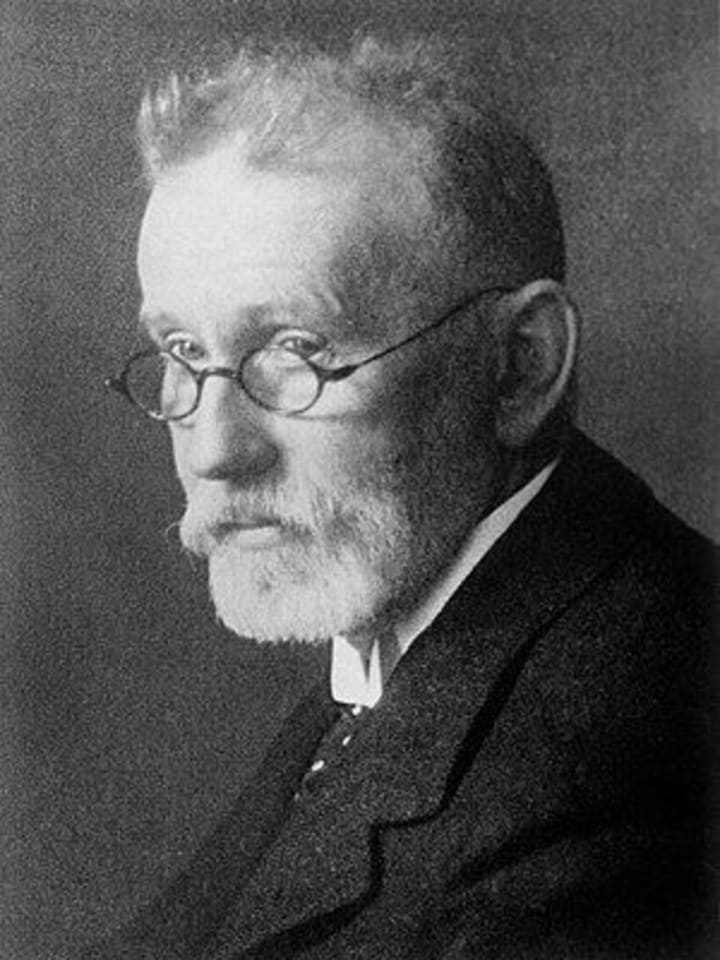
Paul Ehrlich’s life was a testament to the power of curiosity, innovation, and perseverance. From pioneering staining techniques to revolutionizing immunology and chemotherapy, his work has saved countless lives and continues to inspire scientists worldwide. Ehrlich’s contributions remain a cornerstone of modern medicine, ensuring his place among the great minds in the history of science.
About the Creator
Mahalakshmi
"My name is Mahalakshmi, and I'm passionate about storytelling in all its forms. From fiction to real-life tales, I love writing all types of stories that inspire, entertain, and spark imagination. Join me on this creative journey!"
Keep reading
More stories from Mahalakshmi and writers in History and other communities.
Ivan Pavlov: The Pioneer of Classical Conditioning
Ivan Pavlov: The Pioneer of Classical Conditioning Introduction Ivan Petrovich Pavlov (1849–1936) was a Russian physiologist renowned for his groundbreaking research on conditioned reflexes. His experiments with dogs not only transformed our understanding of behavior but also laid the foundation for modern psychology, neuroscience, and education. Pavlov's work transcends disciplinary boundaries, influencing areas like psychiatry, learning theory, and behavioral therapy.
By Mahalakshmiabout a year ago in History
The Hijaz Railway: Why the Ottoman Empire’s Grand Vision to Unite Muslims Was Left Abandoned
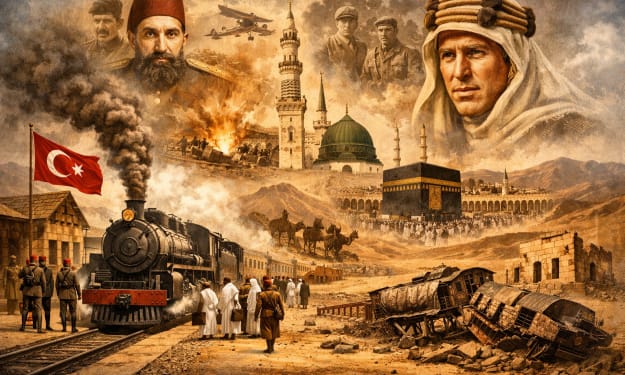
In the early twentieth century, the Ottoman Empire launched one of the most ambitious infrastructure projects in the Muslim world: the Hijaz Railway. Conceived as both a symbol of Islamic unity and a practical solution to improve travel for pilgrims heading to Mecca, the railway represented the Ottoman Sultan’s vision of connecting distant Muslim lands. Yet, despite its promise and initial success, the project was ultimately left abandoned due to war, rebellion, and the collapse of the empire itself.
By Irshad Abbasi about 20 hours ago in History
Who is your "Person"?
It's important to recognize that you cannot go through life as easily on your own. My name is Elizabeth and I'm a survivor of child abuse and horrific trauma. Healing from trauma is not a quick fix and recognizing that it will take time, is part of the struggle.
By Elizabeth Woods4 days ago in Psyche


Comments
There are no comments for this story
Be the first to respond and start the conversation.